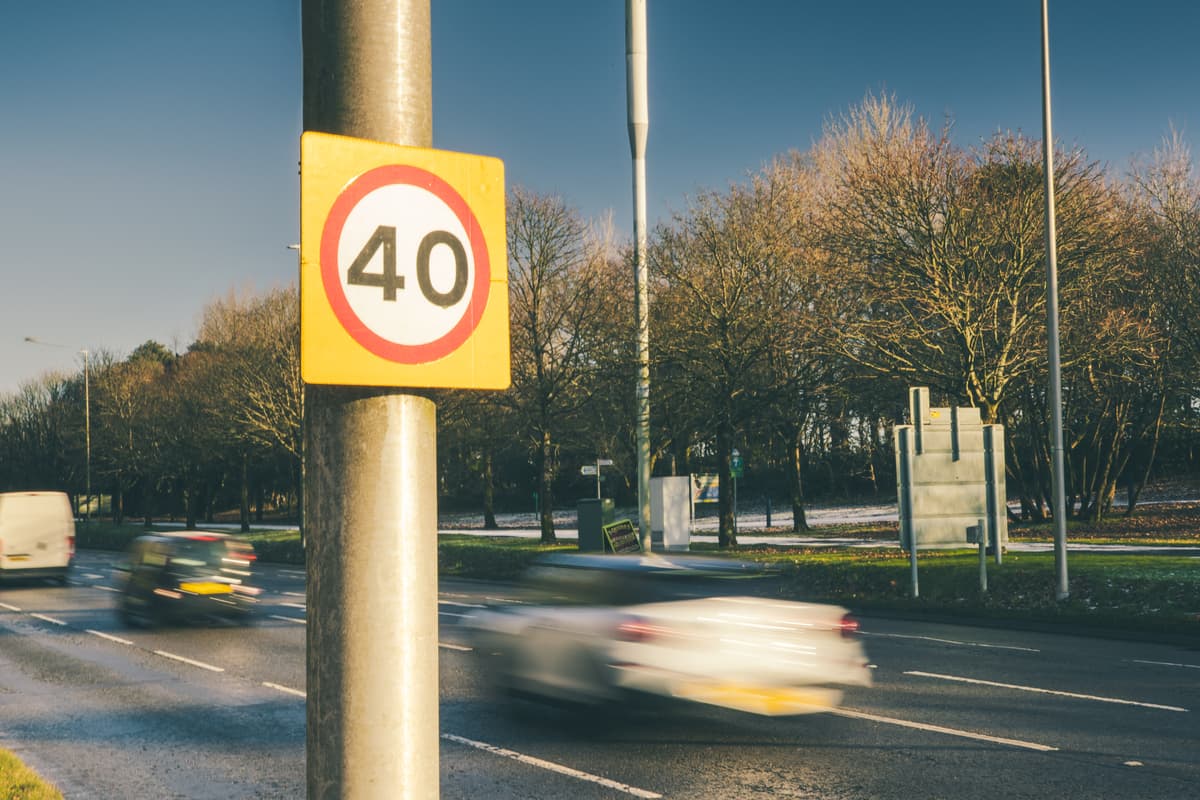
Call for Action as Speed Limit Assist Tech Fails Real-World Tests
Companies Mentioned
Why It Matters
If ISA systems frequently display wrong limits, drivers may lose trust and disable the technology, eroding its safety benefits. Regulators must ensure testing reflects real‑world performance to protect road safety.
Key Takeaways
- •ISA misreads up to 25% of speed limit changes in tests
- •EU requires 90% distance‑based accuracy, not event‑based
- •Thatcham urges regulators to adopt event‑based assessment
- •BMW i5 shows 90% event accuracy, still missing one in ten changes
- •Euro NCAP plans 1,200‑mile real‑world ADAS testing across Europe
Pulse Analysis
Intelligent Speed Assist has become a cornerstone of Europe’s push toward safer, semi‑autonomous vehicles. By combining camera vision, GPS data and digital maps, ISA alerts drivers to the prevailing speed limit and can even cap vehicle speed automatically. The technology promises reduced speeding violations and fewer collision‑related injuries, which is why the EU made it mandatory for all new cars sold from 2024. However, the current regulatory framework evaluates ISA performance over a 250‑mile test route, measuring accuracy as a percentage of distance rather than the frequency of individual sign recognitions. This distance‑centric metric can mask momentary errors that matter most to drivers.
Thatcham Research’s recent field study exposed a stark gap between the EU’s distance‑based pass mark and real‑world event accuracy. While the MG ZS barely cleared the 90% distance threshold, its event‑based accuracy fell to 74%, meaning roughly one in four speed‑limit changes were misidentified. Even the high‑performing BMW i5, which scored 98% on distance, missed about one in ten sign changes. Such inconsistencies can trigger abrupt braking or acceleration when paired with adaptive cruise control, undermining driver confidence and prompting users to switch off ISA altogether. The findings suggest that the current approval process may be insufficient to guarantee the technology’s intended safety outcomes.
In response, both Thatcham and Euro NCAP are pushing for more rigorous, real‑world testing regimes. Euro NCAP plans to expand its ADAS evaluation to roughly 1,200 miles across multiple European countries, employing extensive sensor suites to capture how systems react to varied signage and road conditions. Thatcham’s call for event‑based assessment aims to align regulatory standards with the moments that truly matter on the road. For manufacturers, this signals a need to refine camera algorithms, improve map data fidelity and enhance sensor fusion to meet higher accuracy expectations. As regulators tighten requirements, ISA could evolve from a compliance checkbox into a reliable safety partner that drivers trust and keep active.
Call for action as speed limit assist tech fails real-world tests
Comments
Want to join the conversation?
Loading comments...