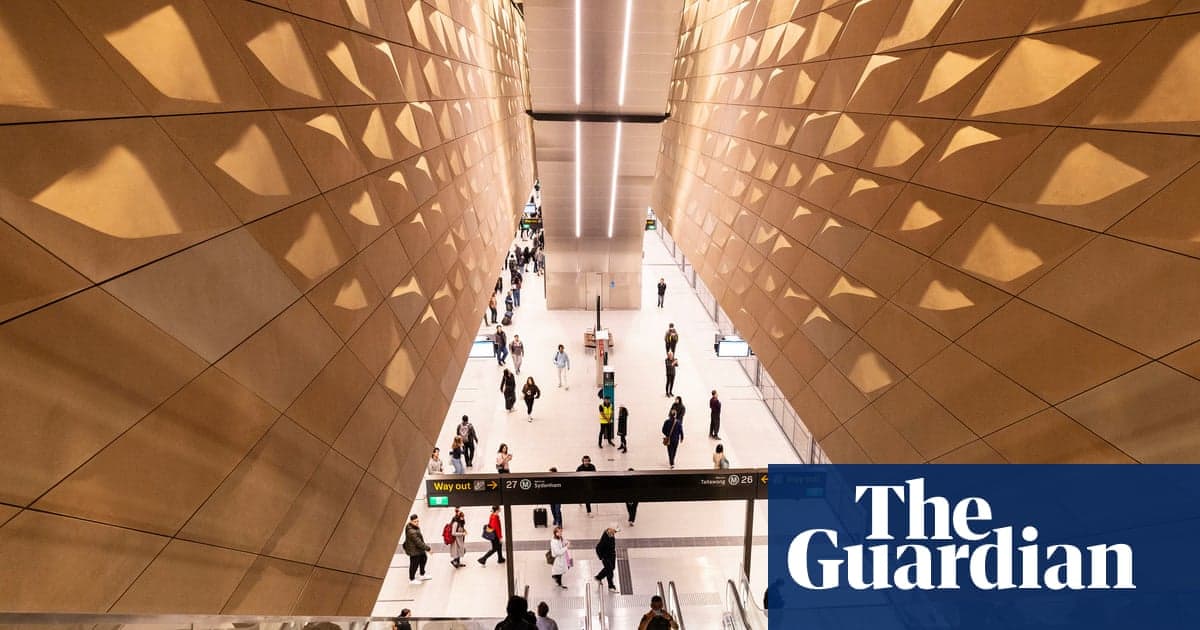
Can a Sprawling City Make Public Transit Work? Sydney May Be on the Right Track
Why It Matters
Sydney demonstrates that high‑frequency suburban rail can compete with cars, offering a model for other low‑density metros, while its reliance on diesel buses underscores the urgency of greener fleet transitions.
Key Takeaways
- •Sydney runs Penrith trains every 4‑8 minutes peak, 10‑15 off‑peak.
- •181 vehicles per 100k people, outpacing Hong Kong, London, Paris.
- •84% of 9,700 fleet are diesel, despite renewable electricity deal.
- •62% of commuters still drive, even with 67% transport access.
- •Driver shortages force recruitment from New Zealand for northern beaches routes.
Pulse Analysis
Sydney’s suburban rail network illustrates how frequency can reshape commuter choices. By deploying enough rolling stock to run Penrith services every few minutes, the system cuts travel time to the central business district to just under an hour—comparable to a car on a tolled motorway. This level of service, supported by a vehicle density of 181 per 100,000 residents, places Sydney ahead of many global peers and provides a tangible benchmark for sprawling U.S. metros that struggle with infrequent service and long wait times.
Environmental pressure is mounting as transport is projected to become Australia’s highest‑emitting sector by 2030. The state’s $130 million (≈$86 million USD) renewable‑electricity agreement signals a strategic pivot, yet the reality on the ground remains dominated by diesel, with 84% of the 9,700‑vehicle fleet still burning fossil fuel. Transitioning buses and ferries to electric or hydrogen power will be essential to align operational emissions with the renewable energy supply, reducing both climate impact and operating costs over the long term.
Challenges persist despite the rail successes. Private car usage remains entrenched—62% of commuters still drive—even though 67% have all‑day public‑transport access. Driver shortages have forced the recruitment of staff from New Zealand, highlighting labor constraints that can undermine service reliability. For other low‑density cities, Sydney’s experience suggests that frequency and vehicle availability are necessary but not sufficient; comprehensive fleet electrification, workforce stability, and integrated multimodal planning are critical to shift commuter behavior away from cars and toward sustainable public transport.
Can a sprawling city make public transit work? Sydney may be on the right track
Comments
Want to join the conversation?
Loading comments...