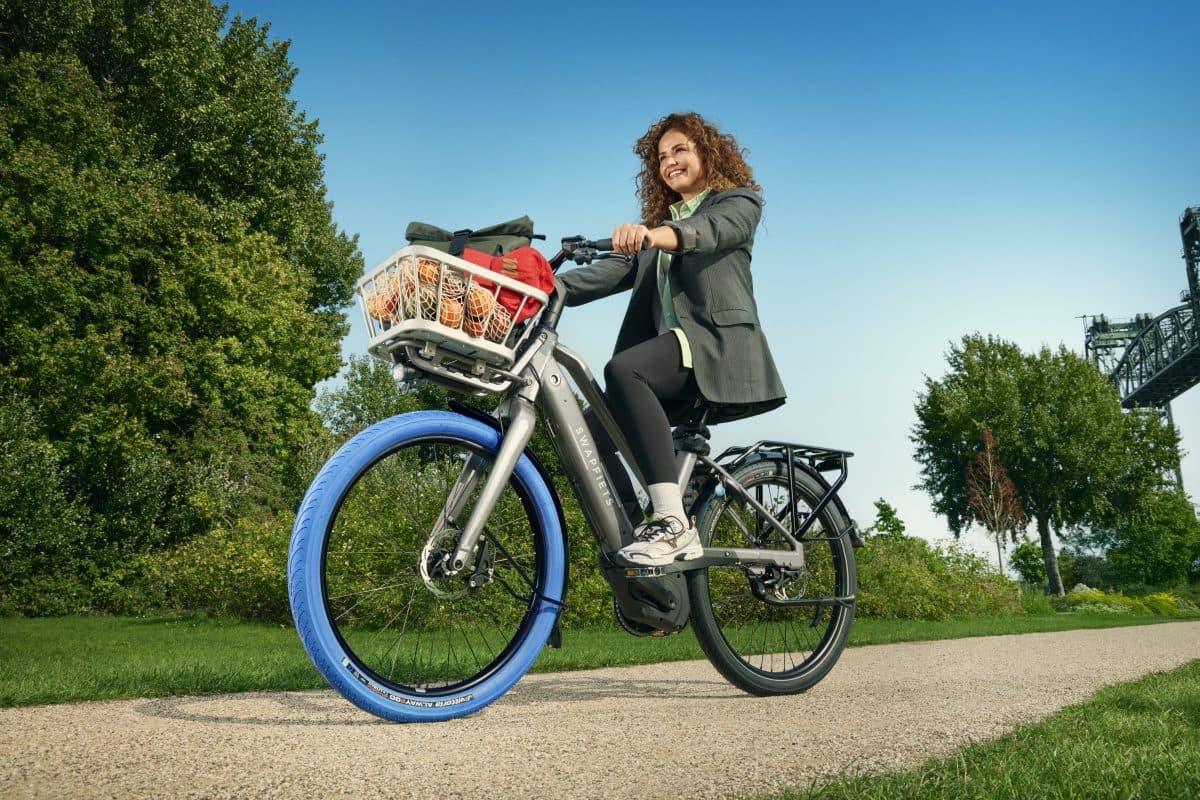
Can an E-Bike Subscription Win over London Commuters From Lime and Forest?
Companies Mentioned
Why It Matters
The subscription model provides a predictable, all‑inclusive cost that could sway commuters away from high‑margin dockless services, reshaping London’s urban mobility landscape. It also highlights the trade‑off between convenience and ownership responsibilities for riders.
Key Takeaways
- •Swapfiets subscription costs £89.90/month (~$114) including maintenance.
- •Lime’s per‑minute pricing can exceed £240/month (~$307) for commuters.
- •Forest’s model averages £84/month (~$107), close to Swapfiets price.
- •Subscription model requires storage and charging, suiting regular routes.
- •Dockless fleets face safety concerns due to heavy e‑bike weight.
Pulse Analysis
London’s e‑bike scene is at a crossroads as commuters weigh cost against convenience. Lime and Forest dominate the dockless market, offering on‑demand access that eliminates the need for storage but imposes variable fees. For a typical 20‑minute commute each way, five days a week, Lime’s unlock and per‑minute charges can swell to over £240 a month, while Forest’s hybrid model stays near £84. These figures make the subscription‑based approach of Swapfiets, priced at £89.90 per month and bundled with maintenance and basic theft cover, an attractive middle ground for riders seeking price certainty.
The subscription model shifts operational burdens from the provider to the user. Swapfiets riders must store, lock and charge their e‑bike, a requirement that aligns with fixed‑route commuters but deters occasional users who value the drop‑off flexibility of dockless fleets. This trade‑off also mitigates the wear‑and‑tear issues that plague shared bikes, which have been linked to rising injury reports in London hospitals due to their 35 kg weight. By maintaining a private, well‑serviced bike, subscribers enjoy a safer, more reliable ride, albeit at the cost of personal logistics.
If Swapfiets can scale its repair capacity and address storage challenges, the subscription model could reshape urban transport economics. Predictable monthly fees simplify budgeting for commuters, potentially reducing reliance on costly Travelcards that now sit at £182 per month (~$231). Moreover, a shift toward owned‑like e‑bikes may prompt city planners to reconsider docking infrastructure and safety regulations. As London pursues greener mobility, subscription e‑bikes present a compelling blend of affordability, reliability, and sustainability that could challenge the dominance of traditional dockless operators.
Can an e-bike subscription win over London commuters from Lime and Forest?
Comments
Want to join the conversation?
Loading comments...