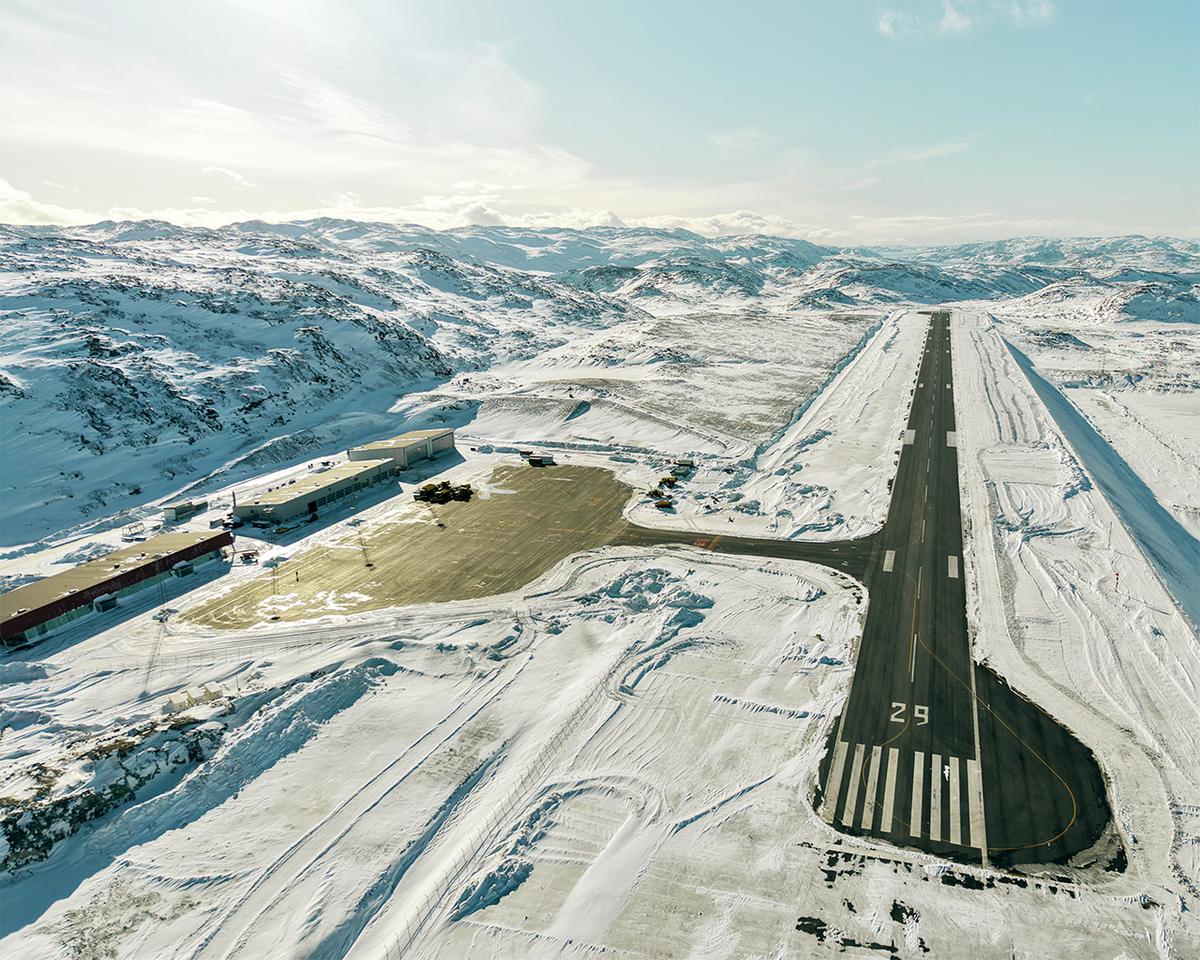
Can Greenland’s New Airport Put It on the Map for the Right Reasons?
Why It Matters
The airport expands Greenland’s transport network, unlocking new tourism revenue and supporting economic diversification in a region where air travel is essential. Reliable southern access could reduce pressure on northern hubs and stimulate local businesses.
Key Takeaways
- •Qaqortoq airport opens, connecting 3,000‑person town by plane
- •Tourists spend ~$200k per US flight, boosting local economy
- •Nuuk hub faces weather‑related diversions, 3% since Dec 2024
- •Greenland Airports plans improvements after early operational hiccups
- •New terminals modeled on Nuuk, but lack cafés initially
Pulse Analysis
Greenland’s profile rose after former President Donald Trump publicly eyed the island, sparking a modest tourism uptick. Yet the archipelago’s rugged terrain and limited roads have constrained visitor flow. The opening of Qaqortoq Airport— the second of three new airfields slated for 2025— gives the 3,000‑resident town, once reachable only by helicopter or boat, a paved runway and a modern terminal modeled on Nuuk’s hub. This new gateway aims to spread tourists into southern Greenland, easing pressure on northern hotspots.
While the Qaqortoq launch proceeds smoothly, Greenland’s flagship hub in Nuuk has grappled with growing pains. The coastal location subjects flights to rapidly changing weather, leading to diversions; Flightradar24 records show 337 A330neo arrivals since December 2024 with 11 diversions, a 3% rate. Additional setbacks include a temporary loss of security certification, staffing shortages, and scarce de‑icing fluid. Greenland Airports’ CEO Jens Lauridsen admits the early months were “not the brightest” and emphasizes a steep learning curve, promising operational refinements for the upcoming summer season.
Each narrow‑body flight from the United States injects roughly $200,000 in local spending, a vital boost for a sparsely populated economy. By extending air service to the south, Qaqortoq can capture a share of that revenue and stimulate ancillary businesses such as hotels, guided tours, and fisheries. The airport’s design— featuring large windows and high‑angled ceilings— signals a long‑term commitment to tourism infrastructure, even if amenities like cafés are still pending. If Greenland can resolve operational hiccups and maintain reliable connections, the new airfield could become a cornerstone of a diversified, tourism‑driven growth strategy.
Can Greenland’s new airport put it on the map for the right reasons?
Comments
Want to join the conversation?
Loading comments...