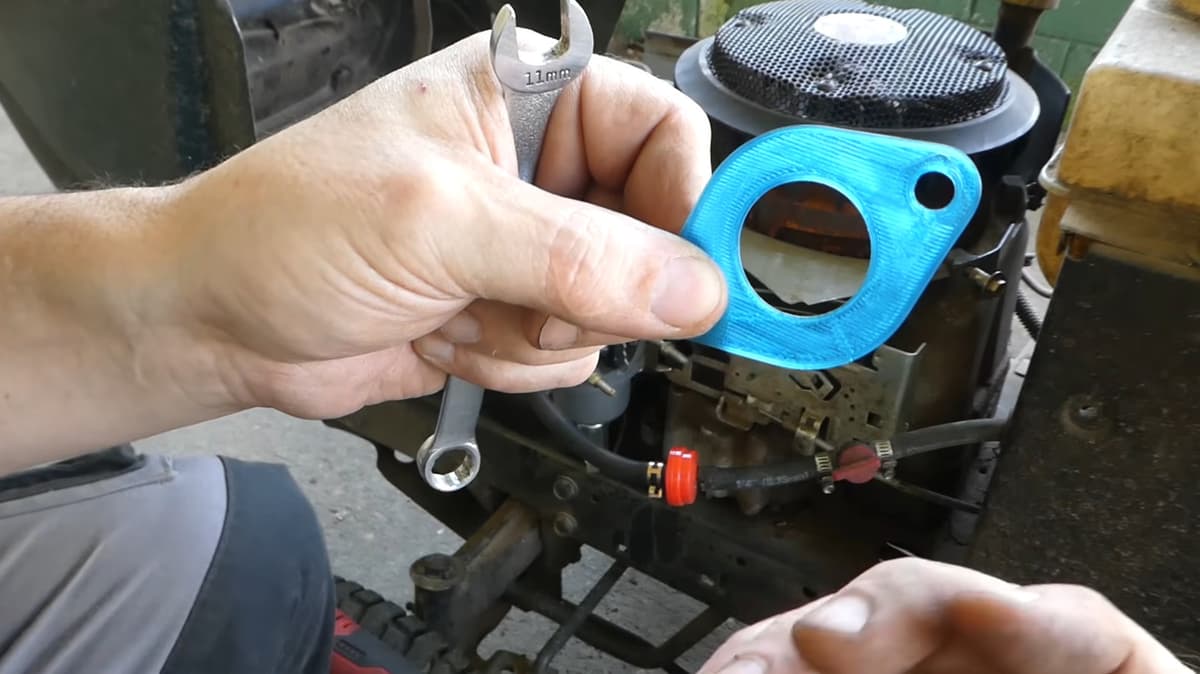

Why It Matters
DIY restorers can avoid costly part shortages by printing viable gaskets, but misuse could damage engines. Understanding material limits protects both hobbyists and the broader aftermarket supply chain.
Key Takeaways
- •TPU tolerates ~80 psi pressure and 240 °F sustained temperature
- •Water‑pump and valve‑cover gaskets are most printable candidates
- •Oil‑pan gaskets require temperature checks before printing
- •High‑heat or high‑pressure gaskets remain unsafe for TPU
Pulse Analysis
Additive manufacturing has moved beyond prototyping into functional automotive repairs, driven by the hobbyist’s need for hard‑to‑source components. Thermoplastic polyurethane (TPU) stands out for its flexibility and chemical resistance, allowing it to seal against oil and gasoline. However, its mechanical envelope—about 80 psi pressure and 240 °F temperature—sets clear boundaries. When a printer is calibrated for optimal layer adhesion and infill, a TPU gasket can achieve a reliable seal, but the material’s long‑term creep and thermal degradation remain under‑studied, prompting cautious adoption.
Practical testing shows that low‑stress gaskets, such as those for water pumps and valve covers, fall comfortably within TPU’s limits. Water‑pump seals typically operate below 30 psi, while valve‑cover pressures rarely exceed 50 psi, even in forced‑induction engines. Conversely, oil‑pan and head gaskets often encounter temperatures that approach or surpass TPU’s degradation point, especially under heavy load or track use. Enthusiasts must verify their vehicle’s operating temperature range—often available from service manuals or telemetry—before committing to a printed replacement. In cases where pressure spikes occur during cold starts, even a marginally suitable gasket could fail, leading to costly engine damage.
The broader implication for the aftermarket is a potential shift toward on‑demand, localized part production. If manufacturers develop higher‑temperature TPU blends or hybrid composites, the range of printable gaskets could expand dramatically, reducing dependence on legacy inventory. For now, the technology offers a niche solution for enthusiasts willing to assess risk and perform diligent testing, while the industry watches for material innovations that could make 3D‑printed gaskets a mainstream option.
Can You 3D Print Gaskets That Actually Work?
Comments
Want to join the conversation?
Loading comments...