Why It Matters
A durable, heat‑resistant finish lets owners personalize performance parts without compromising reliability, opening new revenue streams for aftermarket shops.
Key Takeaways
- •Powder coating can withstand >400 °F heat, suitable for engine blocks
- •Process requires complete engine disassembly and thorough degreasing
- •Specialized electrostatic gun and curing oven are essential equipment
- •Professional shops often handle coating; DIY is risky
- •Powder coat adds durable color without affecting engine performance
Pulse Analysis
The allure of a custom‑colored engine block harks back to the bright‑hued muscle cars of the 1960s, yet modern manufacturers rarely offer that option. Powder coating, originally popular for brake calipers, provides a high‑temperature‑resistant finish that can endure the thermal cycles of combustion chambers. Unlike conventional spray paint, the electrostatically applied powder fuses into a uniform, protective layer when baked, delivering both aesthetic appeal and corrosion resistance.
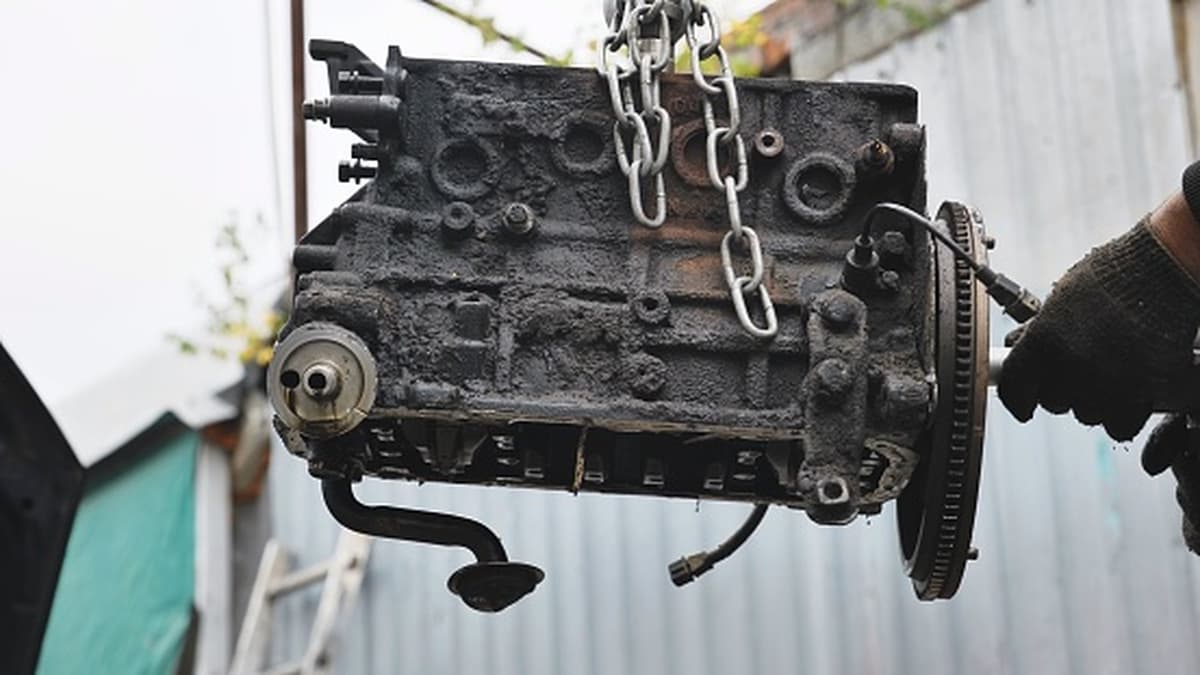
Executing a powder‑coat job on an engine block is a logistical challenge. Technicians must first extract the block using a hoist, then dismantle heads, pistons, crankshaft and ancillary hardware to expose a clean, bare surface. A rigorous chemical bath removes oil, carbon deposits, and any residual contaminants, ensuring proper adhesion. The powder is then sprayed with an electrostatic gun that charges the particles, attracting them to the grounded metal. Finally, the block enters a curing oven where temperatures of 400 °F or higher melt the resin, forming a durable coating. The required capital—hoists, clean‑room‑grade compressors, and industrial ovens—places the process beyond the reach of most hobbyists.
For the aftermarket industry, powder‑coated engine components represent a niche but growing segment. Enthusiasts seeking a unique visual identity are willing to pay a premium for factory‑like finishes on performance parts. Shops that invest in the necessary equipment can differentiate themselves, offering mail‑in services that expand their geographic reach. However, consumers should weigh the cost against potential benefits, as the coating does not improve power output and improper application can lead to premature failure. Consulting a reputable specialist remains the safest path to a vibrant, long‑lasting engine block.
Can You Powder Coat An Engine Block?
Comments
Want to join the conversation?
Loading comments...