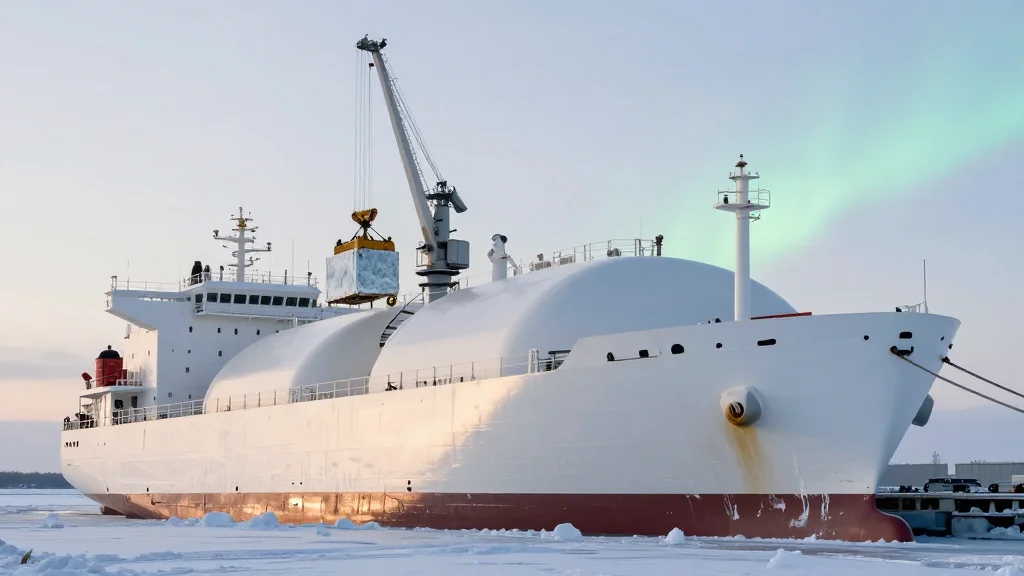
Canada Sets Four‑Year Deadline for Port of Churchill LNG Expansion

Why It Matters
The accelerated timeline for the Port of Churchill signals a strategic shift in Canada’s energy export strategy, moving focus toward Arctic routes that could bypass U.S. bottlenecks and open new markets in Europe and Asia. Successful execution would not only boost Manitoba’s regional economy but also help Canada meet its national LNG production goal, reinforcing the country’s position in the global energy transition. Conversely, failure to deliver could stall a multi‑billion‑dollar investment, erode confidence among private investors, and leave Canada dependent on existing, capacity‑constrained export corridors. The project also carries significant environmental and Indigenous considerations. Expanding a port in a fragile Arctic ecosystem will require rigorous impact assessments, while meaningful engagement with First Nations, Métis, and Inuit communities will be essential to secure social licence. The outcome will set precedents for future northern infrastructure initiatives across the transportation and energy sectors.
Key Takeaways
- •Ottawa gives Manitoba a four‑year deadline to upgrade Port of Churchill for LNG exports by 2030.
- •Premier Wab Kinew warns that missing the timeline could divert economic benefits away from Manitoba.
- •Canada aims to produce 50 million tonnes of LNG annually by 2030, with Churchill as a key export node.
- •Project requires billions in rail, dock, and ice‑breaker upgrades; private interest is being assessed.
- •Federal Energy Minister Tim Hodgson confirms ongoing collaboration but withheld cost details.
Pulse Analysis
Canada’s push to fast‑track the Port of Churchill reflects a broader geopolitical calculus. With the United States tightening its own export infrastructure and Europe seeking reliable, low‑carbon LNG sources, Ottawa is positioning the Arctic corridor as a strategic alternative. Historically, northern ports have struggled with short ice‑bound seasons and high capital costs, but advances in ice‑breaker technology and a growing appetite for diversified supply chains could mitigate those challenges.
From a competitive standpoint, the timeline creates a race against time for both public and private actors. The federal government’s willingness to label the project "transformative" suggests it may be ready to deploy targeted subsidies or loan guarantees, echoing past Canadian infrastructure deals that leveraged public funds to attract private capital. However, the lack of disclosed funding amounts introduces uncertainty; investors will be watching closely for concrete financial commitments before committing billions.
Looking ahead, the success of the Churchill expansion will hinge on three factors: regulatory clearance, Indigenous partnership, and engineering feasibility. If the province can align these elements within the four‑year window, it could unlock a new export corridor that reshapes North American energy logistics. Failure, however, would reinforce the narrative that Arctic infrastructure is too risky, potentially dampening future investments in the region’s transportation network.
Canada Sets Four‑Year Deadline for Port of Churchill LNG Expansion
Comments
Want to join the conversation?
Loading comments...