Why It Matters
The canal illustrates how disruptive technology can overturn grand infrastructure plans, while also showing the value of repurposing legacy assets for new economic and cultural roles.
Key Takeaways
- •Construction spanned nearly a century, finishing in 1849
- •207 km of canals with 49 innovative oval locks built
- •Steam railways rendered the canal's transport role obsolete
- •Canal powered flour mills, creating a regional milling hub
- •Now it drives heritage tourism and cultural preservation
Pulse Analysis
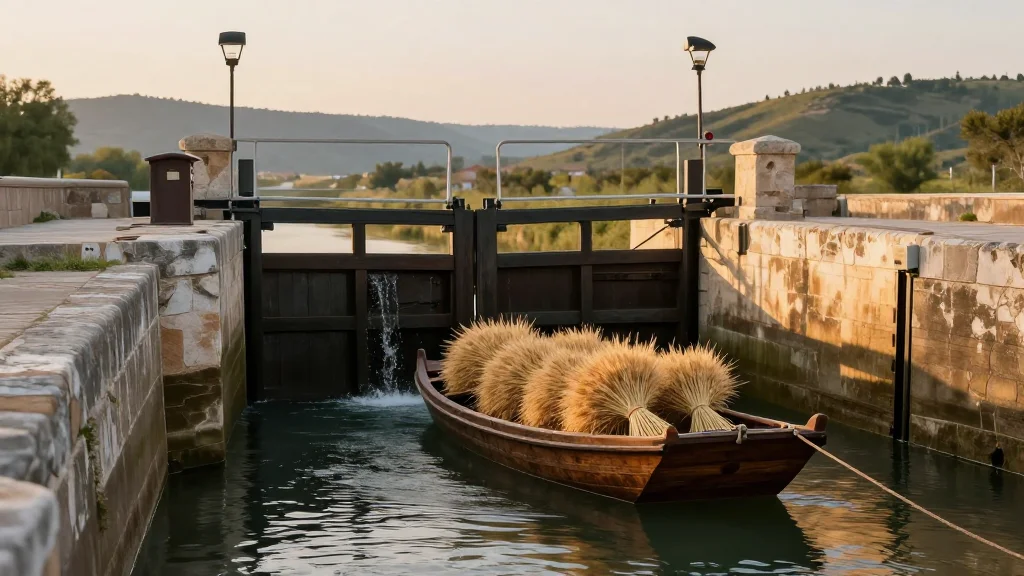
The Canal de Castilla emerged in the mid‑1700s as Spain’s answer to the transport bottlenecks that hampered agricultural exports. Inspired by France’s Canal du Midi, engineers designed a three‑branch network that could shift a single horse‑drawn load from one ton to thirty tons via barges. Its 49 oval‑shaped locks, a technical novelty for the era, allowed boats to climb more than 14 meters at Frómista, showcasing Enlightenment‑era ingenuity amid the rugged terrain of northern Spain.
When steam locomotives arrived in the 1850s, the canal’s commercial relevance plummeted. Rail lines offered faster, cheaper grain movement, leaving the waterway largely idle for transport. Yet the constant water flow proved invaluable for powering water‑driven flour mills, turning towns like Palencia and Valladolid into Spain’s premier flour‑producing corridor. This pivot from logistics to energy generation underscores how infrastructure can adapt to shifting economic forces, providing a template for modern asset repurposing.
In the 21st century, the Canal de Castilla has been rebranded as a cultural and tourism asset. Visitor centers, heritage boat tours, and scenic walking routes attract domestic and international travelers seeking authentic historical experiences. The canal’s story—of grand ambition, technological disruption, and eventual reinvention—offers policymakers a vivid case study on the lifecycle of large‑scale projects and the importance of preserving engineering landmarks for future generations.
Canal de Castilla
Comments
Want to join the conversation?
Loading comments...