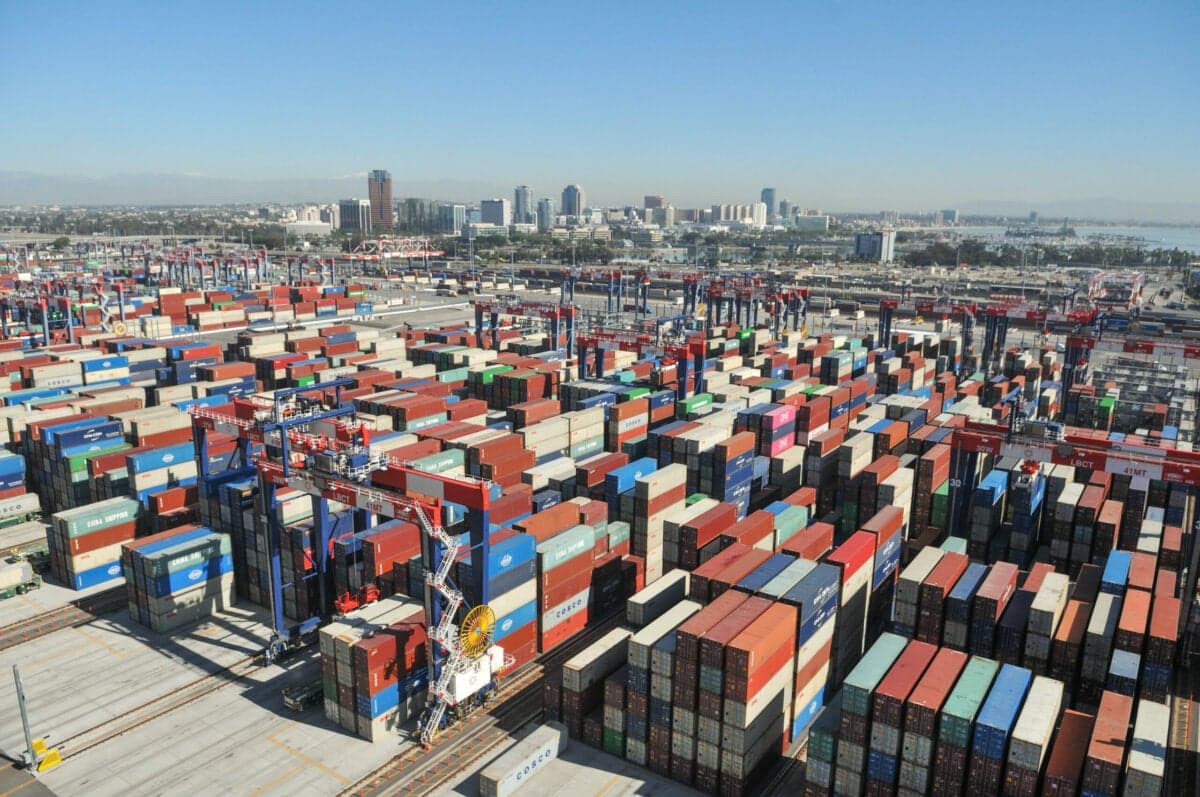
Cargo Volume at Local Ports Dip in January
•March 9, 2026
0
Why It Matters
The decline underscores how tariff volatility and inventory adjustments are reshaping U.S. import flows, affecting supply‑chain reliability for manufacturers and retailers.
Key Takeaways
- •Jan TEU volume fell 11.6% YoY at twin ports
- •Combined 1.66 million TEUs, second‑largest January since pandemic
- •Imports down 13% at both ports; exports stable
- •Tariff uncertainty continues to suppress cargo volumes
- •Truck dwell times improved; rail dwell times lagged
Pulse Analysis
The January dip in cargo throughput at Southern California’s twin gateways reflects a broader recalibration of U.S. import demand after the post‑pandemic surge. While the 11.6% year‑over‑year decline appears sharp, the ports still moved 1.66 million TEUs, a volume only eclipsed by the pre‑COVID high‑season. Analysts attribute the slowdown to lingering tariff uncertainty after the Supreme Court’s ruling on IEEPA tariffs and the subsequent temporary 10‑15% duties, which have tempered importers’ ordering patterns. Higher inventory levels from the previous year’s rush further dampen new orders, creating a cautious restocking environment for retailers and manufacturers.
Operationally, the ports have demonstrated resilience despite the volume contraction. Both Los Angeles and Long Beach reported a 13% drop in loaded imports, yet export activity held steady, indicating balanced trade flows. Intermodal performance remains a focal point: the Pacific Merchant Shipping Association noted that truck‑bound dwell times fell to 2.75 days, an improvement over the prior year, while rail‑bound dwell times slipped to 6.14 days. This mixed bag highlights effective coordination among terminal operators, drayage firms, and rail partners, but also signals capacity constraints on rail corridors that could become bottlenecks if volumes rebound.
Looking ahead, the ports’ ability to maintain throughput will hinge on policy clarity and supply‑chain adaptability. If tariff measures are extended or made permanent, importers may further adjust order cycles, potentially deepening the volume dip. Conversely, a resolution in trade policy could trigger a rapid rebound, testing the ports’ infrastructure and workforce scalability. Stakeholders—from shippers to logistics providers—should monitor tariff developments and inventory trends closely, as these factors will dictate the rhythm of cargo flows and the competitive positioning of the West Coast gateway in global trade.
Cargo Volume at Local Ports Dip in January
0
Comments
Want to join the conversation?
Loading comments...