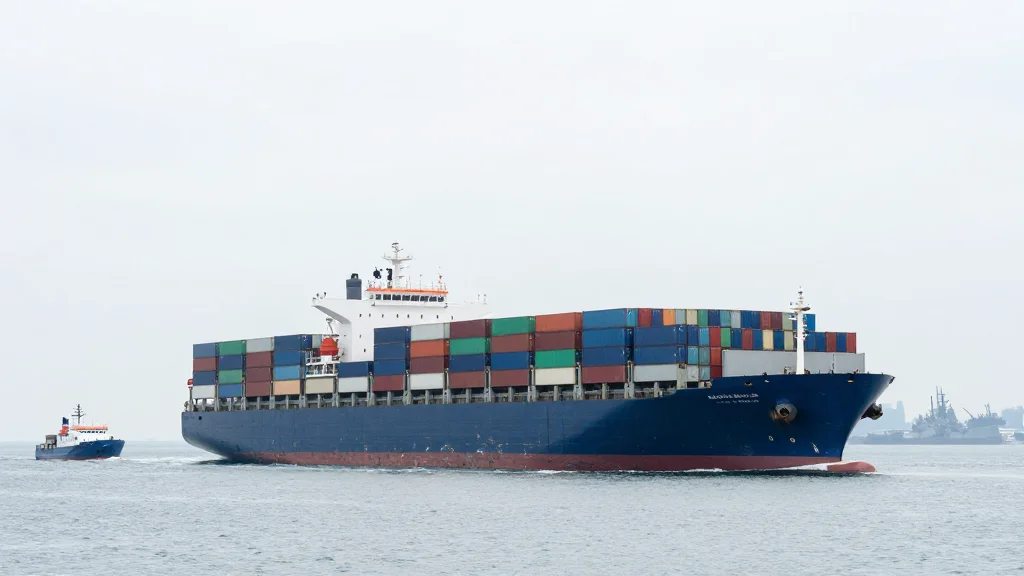
Carriers Redeploy Hormuz-Stranded Ships for Intra-Gulf Shuttle Operations
Companies Mentioned
Why It Matters
By converting idle ships into intra‑Gulf shuttles, carriers mitigate supply‑chain disruptions and protect revenue streams while the Hormuz bottleneck persists. The move also signals how major liners adapt logistics strategies under geopolitical stress.
Key Takeaways
- •CMA CGM redeployed five stranded vessels for intra‑Gulf shuttle service.
- •MSC holds 15 ships in Hormuz, exploring similar feeder operations.
- •Shuttle routes aim to maintain cargo flow despite Hormuz blockage.
- •Reduced transit times offset higher intra‑regional handling costs.
- •Prolonged strait closure could pressure freight rates and supply chains.
Pulse Analysis
The Strait of Hormuz, a chokepoint for roughly 20% of global oil and a significant share of container traffic, has become a flashpoint as regional tensions impede safe navigation. With more than two dozen vessels from leading carriers immobilized, the blockage threatens to ripple through supply chains that rely on predictable transit times between Asia and Europe. Analysts note that even a brief closure can trigger container imbalances, push freight rates upward, and force shippers to seek costlier alternatives such as the Cape of Good Hope route.
In response, CMA CGM and Mediterranean Shipping Co. are repurposing their stranded assets for intra‑Gulf shuttle and feeder services. By routing ships between ports like Dubai, Abu Dhabi, and Kuwait, the carriers can off‑load cargo that would otherwise sit idle, generate limited revenue, and keep key customers supplied. These short‑haul operations, however, come with higher handling fees and require coordination with regional terminal operators, but they preserve vessel utilization and reduce the risk of demurrage penalties that would accrue if ships remained docked indefinitely.
The broader market impact hinges on the duration of the Hormuz impasse. If the strait remains closed for weeks, freight forwarders may renegotiate contracts, and spot rates for Gulf‑to‑Europe lanes could spike, echoing the 2022 Suez Canal disruption. Conversely, successful shuttle deployments demonstrate carrier resilience and may set a precedent for future geopolitical contingencies, encouraging more flexible fleet management and diversified routing strategies across the maritime industry.
Carriers redeploy Hormuz-stranded ships for intra-Gulf shuttle operations
Comments
Want to join the conversation?
Loading comments...