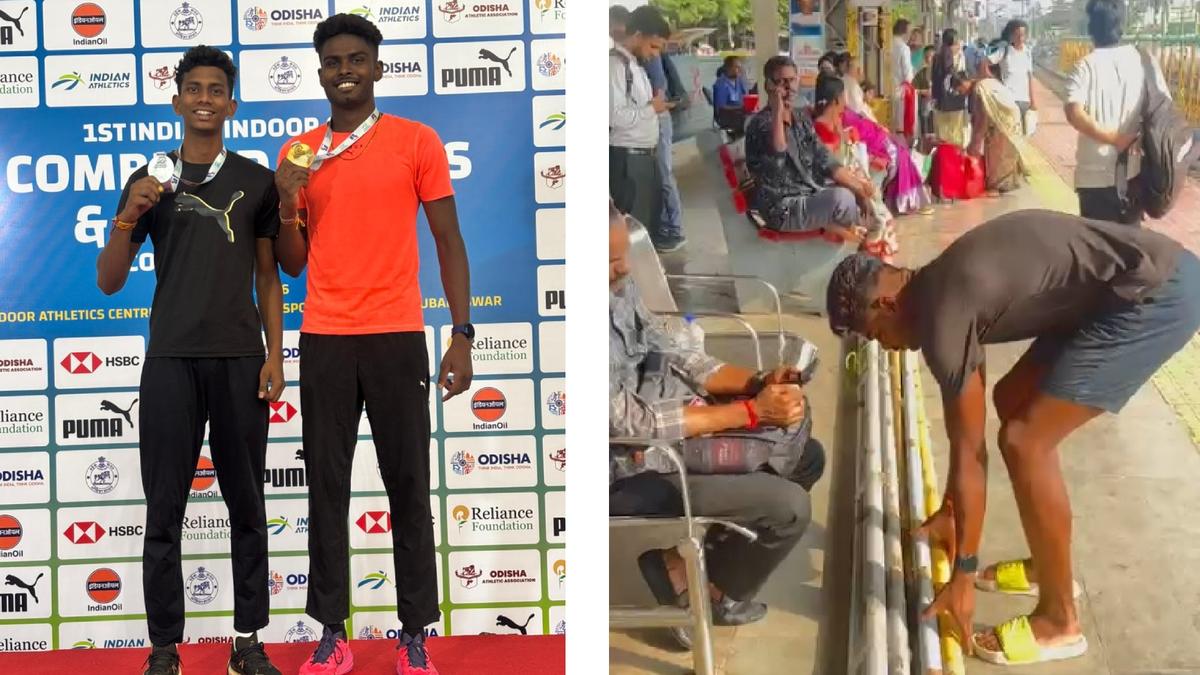
Carrying Poles in Trains Controversy Pushes Railways to Draft Sports Equipment Policy
Why It Matters
A clear policy will safeguard athletes’ ability to compete nationwide, reduce operational friction for the rail network, and reinforce Indian Railways’ image as a passenger‑friendly service.
Key Takeaways
- •Indian Railways to issue formal sports‑equipment transport policy
- •Recent Rajahmundry incident saw athletes lose poles worth ~₹1 lakh each
- •Railway staff instructed to handle athletes’ gear politely and courteously
- •Sports and Rail ministries collaborating on equipment size guidelines
Pulse Analysis
Recent episodes involving pole‑vault athletes have thrust the logistics of sports gear onto the national stage. At Rajahmundry, athletes were forced to leap from a moving carriage after railway police cut the ropes securing eight 5.2‑metre poles, each worth roughly $1,200. Earlier, national record‑holder Dev Meena faced fines for carrying similar equipment, highlighting a systemic gap in how Indian Railways accommodates bulky, competition‑essential items. These incidents have sparked public debate about passenger rights, athlete safety, and the railways’ role in supporting India’s growing sports ecosystem.
In response, the railways are drafting a sports‑equipment policy in close coordination with the Ministry of Sports, the Railway Sports Promotion Board and the Traffic Department. The forthcoming guidelines will likely codify size limits, handling procedures, and staff conduct, mirroring a recent civil‑aviation circular that mandates transparent handling of sports gear and musical instruments. By quantifying permissible dimensions—such as poles up to 5.2 metres, archery arrows, and rowing shells—the policy aims to eliminate ad‑hoc decisions and provide athletes with predictable travel conditions, while preserving operational efficiency for passenger services.
If implemented effectively, the policy could boost athlete mobility, reduce costly delays, and enhance Indian Railways’ reputation as a passenger‑friendly carrier. Streamlined equipment handling will benefit not only elite competitors but also amateur participants traveling to state and national events, potentially increasing rail patronage during tournament seasons. Moreover, a transparent framework may set a precedent for other public transport operators, fostering a broader culture of sports‑friendly infrastructure across the country.
Carrying poles in trains controversy pushes Railways to draft sports equipment policy
Comments
Want to join the conversation?
Loading comments...