Cars Tried External Combustion Engines And There Are Good Reasons It Didn't Stick

Why It Matters
The rise and fall of external combustion power sources illustrate how performance, cost, and user convenience shape automotive technology adoption, offering lessons for today’s alternative‑fuel ventures.
Key Takeaways
- •Steam cars required lengthy boiler warm‑up times.
- •Water consumption limited steam car range.
- •Model T’s gasoline efficiency eclipsed steam’s practicality.
- •Stirling engines offered fuel‑efficiency but were heavy, costly.
- •Government programs couldn’t overcome Stirling’s weight‑price barrier.
Pulse Analysis
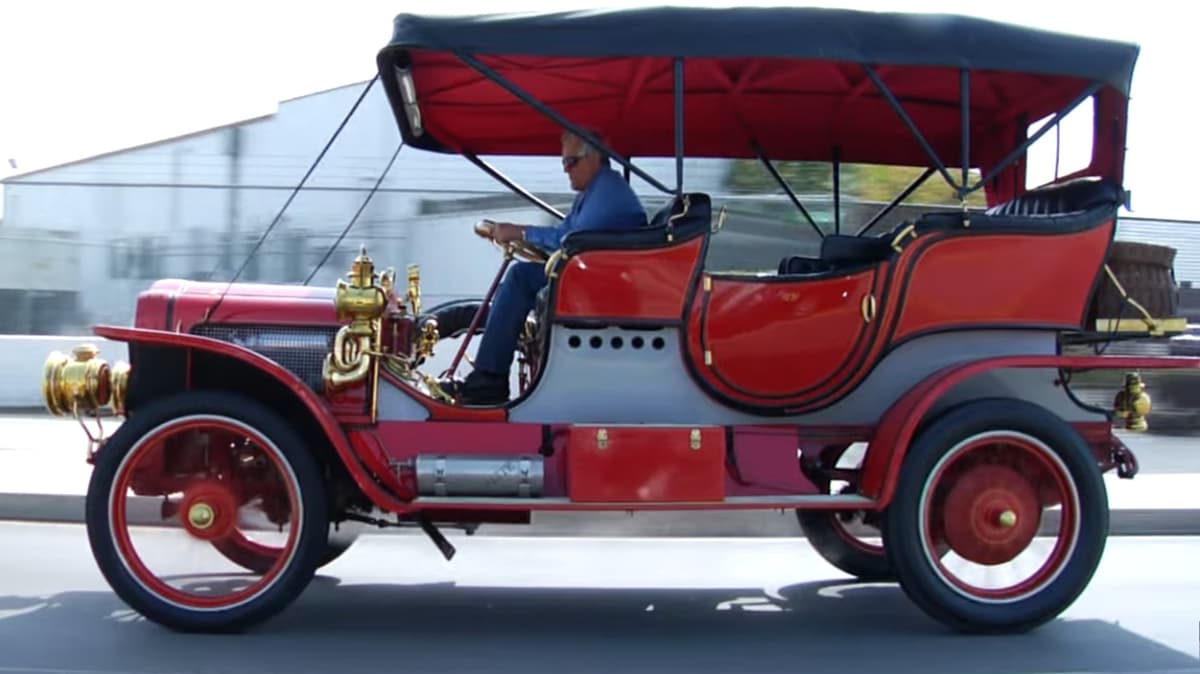
The early automotive era was a laboratory of propulsion concepts, with external combustion engines leading the charge. Steam‑powered vehicles, epitomized by the Stanley brothers, delivered smooth torque but demanded a bulky boiler, a half‑hour warm‑up, and a constant water supply—often a gallon per mile. These operational quirks clashed with the emerging consumer expectation for instant mobility, a niche the gasoline‑fueled Model T filled effortlessly after the electric starter’s 1912 debut, reshaping market preferences.
In the 1970s and 80s, the United States reignited interest in external combustion through the Automotive Stirling Engine Development Program, a joint DOE‑NASA effort. Prototype Stirling‑powered Chevrolets demonstrated superior fuel economy and low emissions, yet the technology’s Achilles’ heels were its massive weight—over 800 pounds for 150 hp—and prohibitive cost, roughly $2,250 then (about $7,000 today). These factors, combined with rapid advances in gasoline and electric powertrains, prevented Stirling engines from achieving commercial viability despite government backing.
The historical struggle of steam and Stirling systems underscores a timeless principle: automotive technologies must balance efficiency, cost, and user convenience. Modern alternatives—electric batteries, hydrogen fuel cells, and hybrid systems—are evaluated against the same criteria that doomed external combustion. While internal combustion engines eventually yielded to stricter emissions standards, the legacy of steam and Stirling experiments informs today’s innovation pipelines, reminding engineers that breakthrough performance alone cannot outweigh practical deployment challenges.
Cars Tried External Combustion Engines And There Are Good Reasons It Didn't Stick
Comments
Want to join the conversation?
Loading comments...