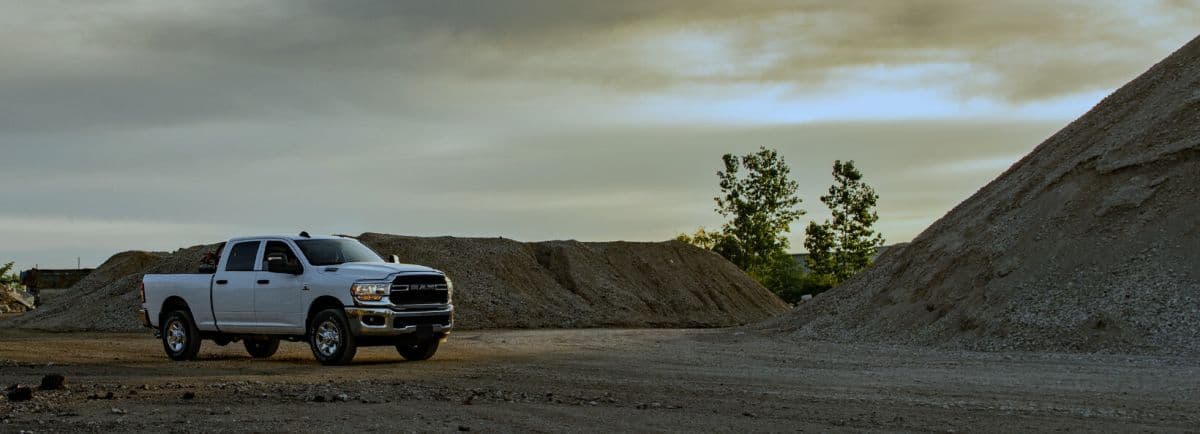
Case Study: Preserving Capital Without Slowing Operations
Why It Matters
The strategy demonstrates how construction firms can protect capital and improve cash flow while still expanding capacity, a critical advantage in a capital‑intensive industry. It also highlights the broader move toward asset‑light models that boost operational resilience.
Key Takeaways
- •Rental added $4M of fleet value without upfront capital
- •Flexible rent/lease/own mix reduces maintenance overhead
- •Quick equipment sourcing cuts downtime on job sites
- •Preserved capital supports other investments and cash flow
- •Scalable fleet aligns with project demand, not long‑term assets
Pulse Analysis
Construction firms are increasingly adopting asset‑light strategies to stay competitive in a market where project volumes fluctuate and capital is at a premium. Equipment rental, once viewed as a short‑term stopgap, now serves as a strategic lever that enables contractors to match fleet size directly to workload. By integrating rental into a broader rent‑lease‑own framework, companies can sidestep the heavy balance‑sheet impact of purchasing trucks, while still retaining the flexibility to own critical assets for long‑term stability.
Financially, the shift to rental translates into significant capital preservation. Flexibility Limited’s $4 million rental portfolio frees up cash that can be redirected toward higher‑margin initiatives such as specialized machinery, technology upgrades, or working capital buffers. This reallocation reduces reliance on debt financing and improves liquidity ratios, making the firm more resilient to economic downturns. Moreover, the predictable cost structure of rentals—often inclusive of maintenance and insurance—simplifies budgeting and mitigates the risk of unexpected repair expenses that can erode profit margins.
On the operational front, rental contracts accelerate equipment deployment, cutting lead times from weeks to days. Contractors benefit from vendor‑managed maintenance, which lowers in‑house service burdens and minimizes equipment downtime. The ability to scale the fleet on demand ensures crews have the right tools at the right time, enhancing productivity and client satisfaction. As the construction sector continues to embrace digital project management and just‑in‑time delivery models, a flexible fleet strategy will likely become a standard component of growth plans, offering both financial agility and operational excellence.
Case Study: Preserving Capital Without Slowing Operations
Comments
Want to join the conversation?
Loading comments...