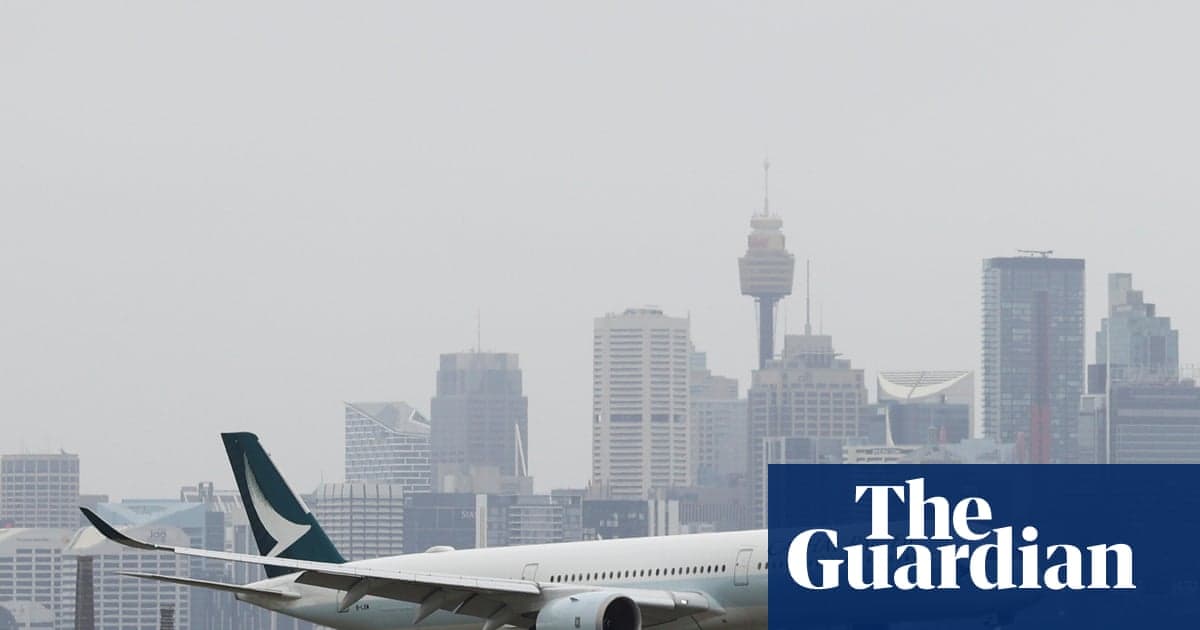
Cathay Pacific Offers £20,000 Sydney-London Flight Amid Disruption in Gulf
•March 10, 2026
0
Why It Matters
The unprecedented price surge highlights how geopolitical conflict can instantly distort global aviation markets, squeezing both airlines and travelers. It signals a potential reshaping of long‑haul routing strategies and pricing models across the industry.
Key Takeaways
- •Cathay's Sydney‑London fare tops £20,000 due to Gulf disruption
- •Middle‑East airspace closures force airlines to reroute long‑haul flights
- •Business class fares normally £3‑4k, now quadrupled
- •Limited capacity on alternative routes drives price spikes
- •Travelers urged to check insurance amid volatile fares
Pulse Analysis
The escalation of the Israel‑Iran conflict has forced a rapid closure of key Middle‑East air corridors, a region that traditionally handles the bulk of UK‑Australia traffic. Airlines that rely on hubs in Dubai, Abu Dhabi and Doha are now operating at a fraction of their normal schedules, leaving a vacuum that ripples through global capacity. This sudden loss of overflight rights forces carriers to seek longer, less efficient paths over the Arctic or through congested Asian airspace, inflating fuel costs and operational complexity while eroding the reliability that premium travelers expect.
Against this backdrop, Cathay Pacific’s decision to list Sydney‑London business seats at A$39,577 (about £20,000) is both a symptom and a strategic move. Typical business fares hover between £3,000 and £4,000; the current pricing represents a five‑fold increase, dwarfing even first‑class rates. The airline cites a short‑term supply‑demand mismatch, yet the broader market reaction is evident: economy tickets are sold out, and even premium‑economy fares have surged to pre‑pandemic levels. Travelers are now weighing the cost against the risk, with many advised to secure travel insurance to mitigate potential cancellations or rerouting.
The episode underscores a longer‑term vulnerability for airlines dependent on narrow geographic corridors. As Gulf routes remain constrained, carriers may accelerate investments in alternative hubs—Singapore, Hong Kong, or even direct polar routes—to diversify their networks. Competitors like Emirates are likely to re‑enter the market with aggressive pricing once airspace stabilises, but the immediate fallout could reshape pricing power, prompting a reassessment of fare structures and capacity planning across the long‑haul sector. Stakeholders should monitor regulatory developments and airline capacity announcements closely, as these will dictate the speed of market normalization.
Cathay Pacific offers £20,000 Sydney-London flight amid disruption in Gulf
0
Comments
Want to join the conversation?
Loading comments...