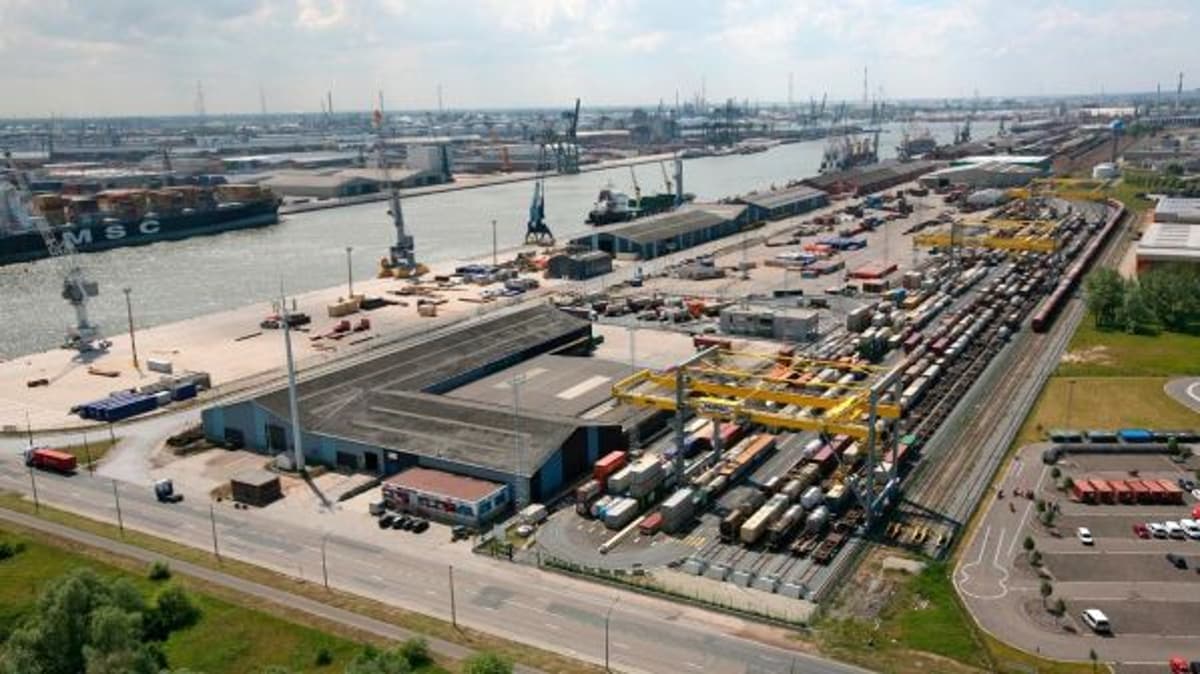
CER Endorses Europe’s New Ports Strategy
•March 5, 2026
0
Why It Matters
Embedding rail in port policy accelerates decarbonisation and strengthens Europe’s logistics competitiveness, while unlocking billions of euros for critical infrastructure.
Key Takeaways
- •Rail freight recognised in EU Ports Strategy
- •Modal share varies widely across major ports
- •EC to tighten rail access rules by 2026
- •€100bn funding request for rail‑port projects
- •Target: raise rail share to 30% soon
Pulse Analysis
The EU Ports Strategy marks a pivotal shift in European logistics, moving rail freight from a peripheral option to a central pillar of port development. By explicitly linking rail to port competitiveness, sustainability and security, the Commission acknowledges the environmental benefits of shifting cargo from road to rail. This policy alignment dovetails with broader EU climate goals, promising reduced emissions and more resilient supply chains across the continent.
Financing the rail‑port interface will be critical to turning policy into practice. CER highlights the need for substantial allocations from the Multiannual Financial Framework (2028‑2034) and the Connecting Europe Facility, calling for at least €100 billion to modernise loading tracks, implement IT‑driven management systems, and expand intermodal terminals. Targeted subsidies and fair access rules are also essential to lower rail‑related costs and stimulate private investment, ensuring that infrastructure upgrades keep pace with port expansion plans.
Despite the strategic endorsement, rail’s modal share remains uneven—exceeding 50% at Bremerhaven but falling below 10% at Rotterdam and Antwerp. Achieving the 30% target will require coordinated action at EU and national levels, including the implementation of the European Transport Corridors and revisions to the Combined Transport Directive. Successful integration will not only cut logistics costs but also reinforce Europe’s decarbonisation agenda, positioning rail as the backbone of a more sustainable, competitive maritime network.
CER endorses Europe’s new ports strategy
0
Comments
Want to join the conversation?
Loading comments...