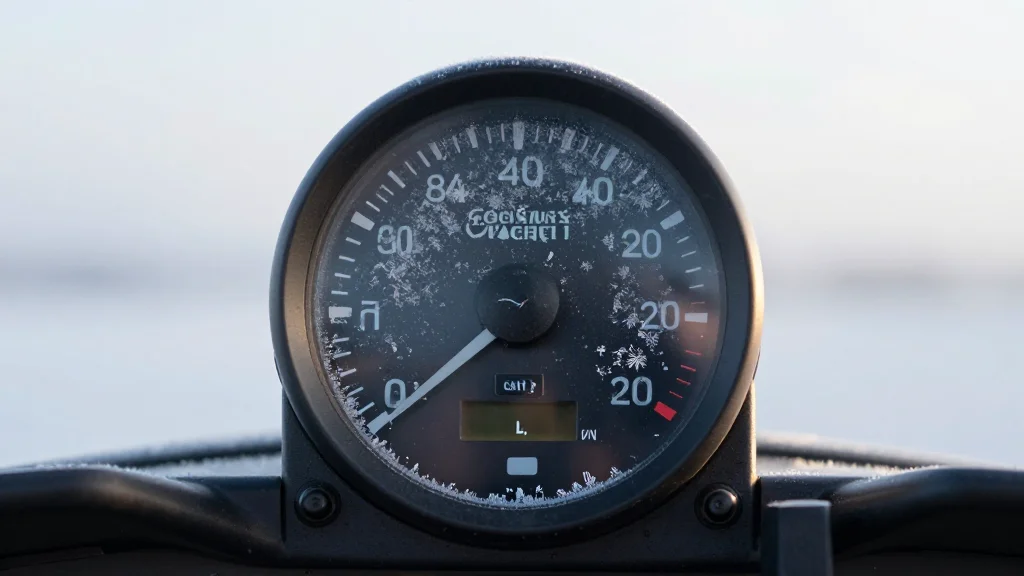
Cessna 421C Crash Near Austin Blamed on Frozen Airspeed Instrument

Why It Matters
The crash underscores a systemic vulnerability in general aviation: aging aircraft often lack the robust anti‑icing technology found in commercial jets, making them susceptible to instrument failures in cold weather. As private and charter flights become more common for recreational and business travel, the incident could prompt tighter FAA oversight, mandatory retrofits, or revised pilot training standards to mitigate similar risks. Beyond immediate safety concerns, the accident may influence insurance premiums and liability considerations for operators offering niche‑sport transport services. Stakeholders—from aircraft owners to event organizers—will likely reevaluate risk management practices, potentially reshaping how small‑plane charters are marketed and regulated.
Key Takeaways
- •Cessna 421C crashed near Wimberley, Texas, killing five
- •Pilot reported frozen airspeed indicator and anti‑icing failure
- •Debris spread over 1.25‑mile field indicated inflight breakup
- •Flight operated at temperatures just below freezing for 15 minutes
- •Second plane in the group landed safely, confirming isolated equipment issue
Pulse Analysis
The Wimberley tragedy is a stark reminder that general aviation operates on a thin margin of safety when weather conditions approach freezing. Historically, most small‑plane accidents involve pilot error or loss of control, but this case pivots attention to equipment reliability. The anti‑icing system’s failure points to a maintenance gap: many legacy aircraft still use older pneumatic boots that can lose effectiveness after years of service. Upgrading to modern, sensor‑driven heating solutions could dramatically reduce the likelihood of instrument icing, yet the cost barrier remains a deterrent for private owners.
From a market perspective, the incident may accelerate demand for newer, certified aircraft equipped with advanced avionics that include real‑time ice detection and automatic de‑icing. Manufacturers such as Cirrus and Textron are already promoting glass‑cockpit suites with built‑in redundancy, and this crash could tilt buyer preferences toward those platforms. Simultaneously, charter operators catering to sports enthusiasts may face heightened scrutiny, prompting them to adopt stricter pre‑flight checks and possibly partner with maintenance providers specializing in anti‑icing retrofits.
Regulators are likely to respond with targeted advisories or rulemaking. The FAA could issue an emergency airworthiness directive mandating functional verification of anti‑icing systems before flights in sub‑freezing airspace, similar to past actions after high‑profile icing incidents. If such measures are adopted, they would raise operational costs but improve safety outcomes, ultimately restoring confidence in small‑plane travel for niche markets.
Cessna 421C Crash Near Austin Blamed on Frozen Airspeed Instrument
Comments
Want to join the conversation?
Loading comments...