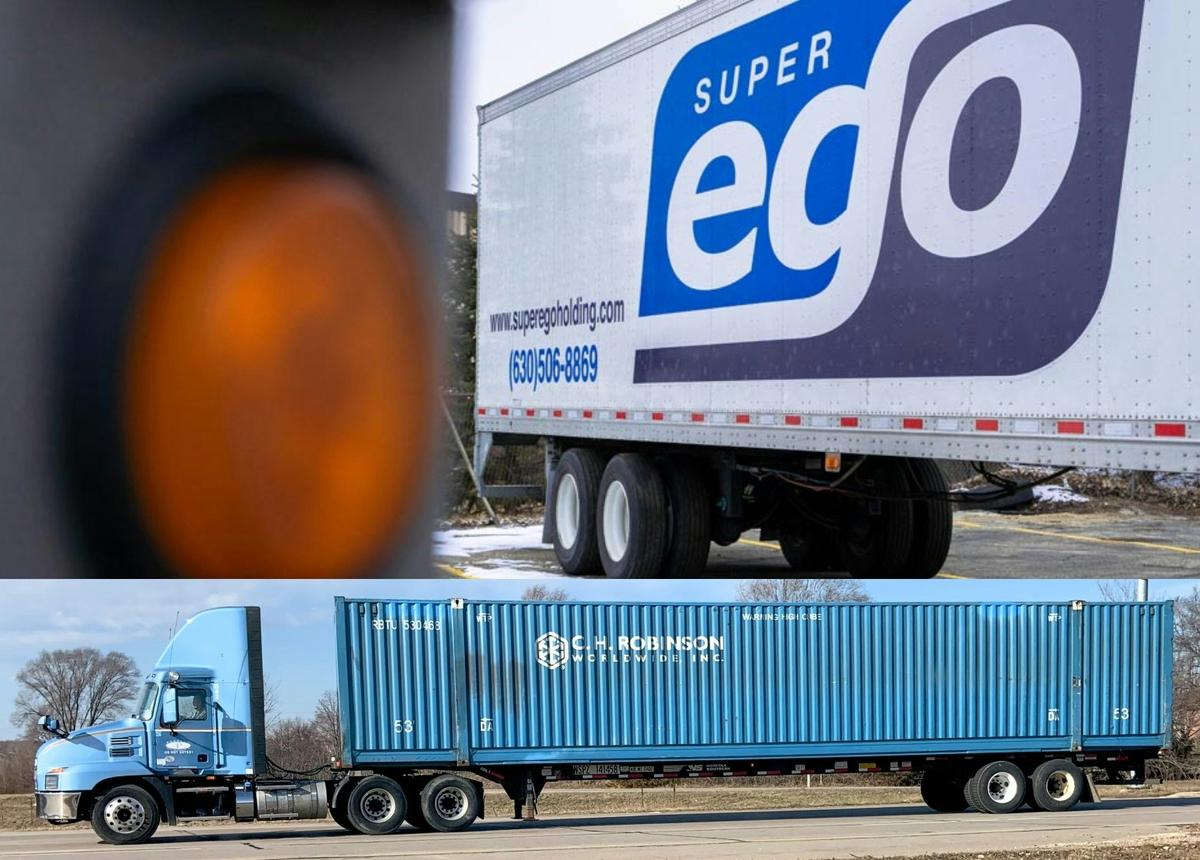
C.H. Robinson, Super Ego Chalk up 'Chameleon Carrier' Outrage to a Big Misunderstanding
Key Takeaways
- •CBS alleges Super Ego facilitated ELD tampering and underpaid drivers.
- •Super Ego asserts it is a leasing firm, not a motor carrier.
- •C.H. Robinson denies coaching unsafe carriers, calls source credibility into question.
- •FMCSA faces pressure to tighten enforcement of “chameleon carriers.”
- •Industry may see stricter broker‑carrier vetting and compliance costs.
Pulse Analysis
The term “chameleon carrier” has become a flashpoint for regulators and media alike, describing entities that shift legal identities to evade safety oversight. CBS’s 60 Minutes segment linked Super Ego to a web of leased trucks that allegedly falsified electronic logging device data, a practice that undermines the Hours‑of‑Service rules designed to protect drivers and the public. While the report paints a picture of systemic abuse, the broader issue is the opacity that can arise when leasing firms blur the line between equipment owners and motor carriers, complicating FMCSA’s ability to track compliance.
C.H. Robinson, one of the nation’s largest freight brokers, quickly distanced itself from the accusations, emphasizing its reliance on FMCSA‑authorized carriers and its own AI‑driven vetting platform. The broker’s statement also called into question the credibility of the deposition witness, suggesting that the narrative may be driven by disgruntled parties rather than systemic fraud. Nevertheless, the episode aligns with ongoing legislative pushes such as Dalilah’s Law, which seeks to tighten rules around foreign dispatch services and reinforce English‑language proficiency for drivers. The FMCSA’s recent pledge to intensify enforcement of “chameleon carriers” adds regulatory weight to the debate, signaling that brokers could face heightened scrutiny over their carrier selection processes.
For the trucking industry, the fallout underscores the need for greater transparency and robust compliance frameworks. Brokers are likely to invest further in technology—advanced telematics, AI risk scoring, and real‑time safety dashboards—to demonstrate due diligence and preempt regulatory action. Carriers, meanwhile, may need to consolidate operations under stable DOT registrations to avoid being labeled as “chameleon” entities. As the FMCSA tightens its oversight, firms that can prove consistent safety records and clear ownership structures will gain a competitive edge, while those caught in gray‑area arrangements could face fines, loss of contracts, or even de‑registration.
C.H. Robinson, Super Ego chalk up 'chameleon carrier' outrage to a big misunderstanding
Comments
Want to join the conversation?