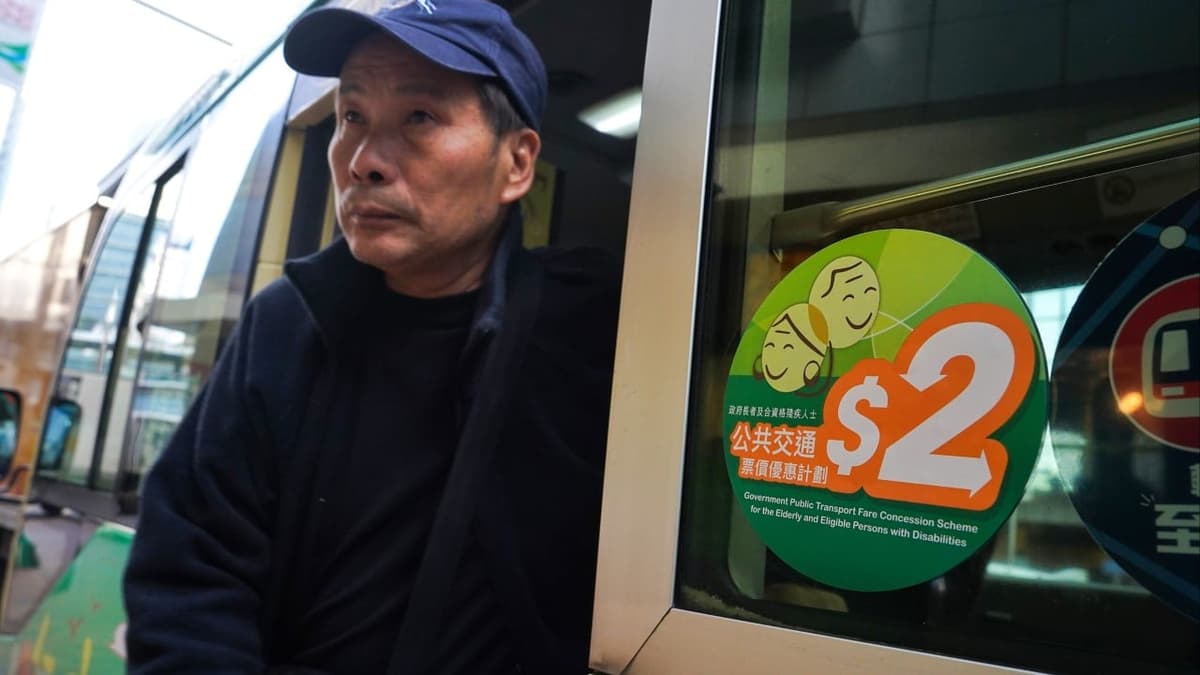
Changes to Hong Kong’s HK$2 Transport Subsidy Scheme to Kick in on April 3
Companies Mentioned
Why It Matters
The reform balances social support for vulnerable commuters with the government’s need to curb rising transport subsidies, a critical issue as Hong Kong’s population ages and budget pressures mount.
Key Takeaways
- •Flat HK$2 fare applies only up to HK$10 trips
- •Trips above HK$10 require paying 20% of fare
- •Scheme targets elderly and disabled commuters
- •Implementation begins April 3, 2026
- •Potential budget relief but reduces rider subsidies
Pulse Analysis
The Hong Kong government’s HK$2 transport subsidy, introduced in 2020, was designed to ease travel costs for senior citizens and people with disabilities. By capping fares at a flat two‑dollar rate, the program helped millions of vulnerable commuters access buses, trams and the MTR without worrying about rising ticket prices. Over the past six years, usage has surged as the city’s population ages and demand for accessible mobility grows. However, the generous flat‑rate model has also placed a growing strain on the public transport budget, prompting officials to reconsider its structure.
Effective April 3, 2026, the revised scheme limits the HK$2 flat fare to journeys whose adult price does not exceed HK$10. For any fare above that threshold, passengers will now pay 20 percent of the full cost, effectively receiving an 80 percent discount. This change preserves a substantial subsidy for short trips—common in dense urban districts—while shifting a portion of longer, higher‑value rides back to riders. The adjustment is expected to cut government outlays by an estimated HK$300 million annually, according to the Transport Department, without dramatically curtailing essential short‑distance travel for the elderly.
Cities such as Singapore and Tokyo have adopted tiered fare‑subsidy models that balance social equity with fiscal sustainability, offering a useful benchmark for Hong Kong. Analysts warn that the new threshold could discourage longer journeys, potentially limiting access to healthcare facilities located farther from residential areas. Policymakers may need to complement the fare reform with targeted mobility services, like community shuttles, to avoid unintended isolation of senior residents. The HK$2 scheme’s evolution underscores the broader challenge of financing inclusive transport in rapidly aging economies.
Changes to Hong Kong’s HK$2 transport subsidy scheme to kick in on April 3
Comments
Want to join the conversation?
Loading comments...