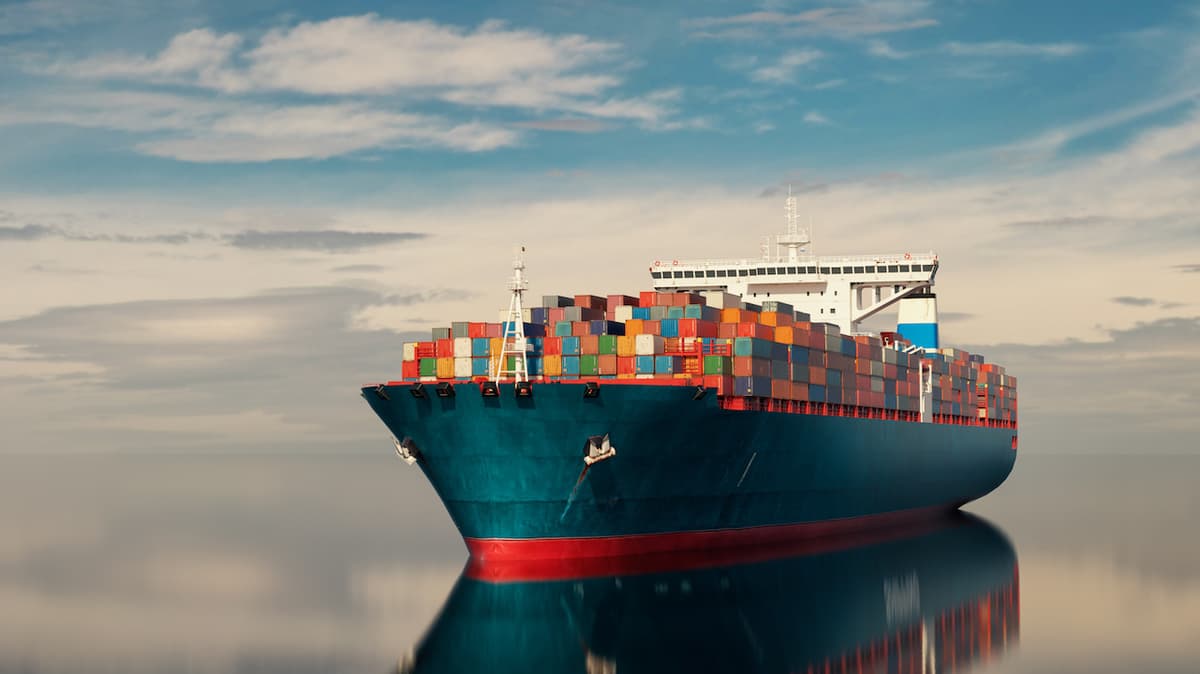
Chaos and Confusion in the Strait of Hormuz Could Drive Apparel Production Costs up 15%
Companies Mentioned
Why It Matters
The bottleneck threatens profit margins and seasonal relevance for fashion retailers, forcing a rapid reassessment of logistics and cost structures across the industry.
Key Takeaways
- •Strait of Hormuz traffic down 97% amid new Iranian tolls
- •Global apparel shipping costs could rise 10‑15% due to delays
- •Rerouting via Cape of Good Hope adds up to one month transit
- •Brands urged to adopt SKU‑level landed‑cost reporting and 90‑day contracts
- •Air freight gains appeal for time‑critical fashion items
Pulse Analysis
The Strait of Hormuz has long been a strategic artery for oil, but its role in moving finished garments from South Asian factories to Western markets is now front‑page news. Recent hostilities have forced Iran to monetize the passage, while the United States threatens sanctions on firms that comply. The resulting uncertainty has driven vessel traffic down dramatically, creating a classic black‑swans scenario where a single chokepoint can destabilize a multi‑billion‑dollar supply chain.
For apparel companies, the impact is immediate and measurable. Shipping delays add up to a month of extra transit time, eroding the narrow windows that fast‑fashion brands rely on to launch seasonal collections. Cost analysts estimate a 10‑15% rise in overall production expenses, with freight surcharges alone potentially spiking 30‑50%. Retailers are therefore shifting to SKU‑level landed‑cost reporting, locking in 90‑day lane contracts, and modeling inventory in weeks rather than dollars to preserve cash flow and avoid stockouts.
Looking ahead, the disruption accelerates a broader logistics pivot. Air freight, once a premium fallback, is gaining traction for high‑margin, time‑sensitive lines, despite higher per‑unit costs. Companies are also diversifying routing options, investing in risk‑insurance buffers, and exploring near‑shoring to mitigate future chokepoint shocks. The takeaway for executives is clear: proactive cost transparency and flexible transportation strategies are no longer optional—they are essential to maintaining market relevance in a volatile geopolitical climate.
Chaos and confusion in the Strait of Hormuz could drive apparel production costs up 15%
Comments
Want to join the conversation?
Loading comments...