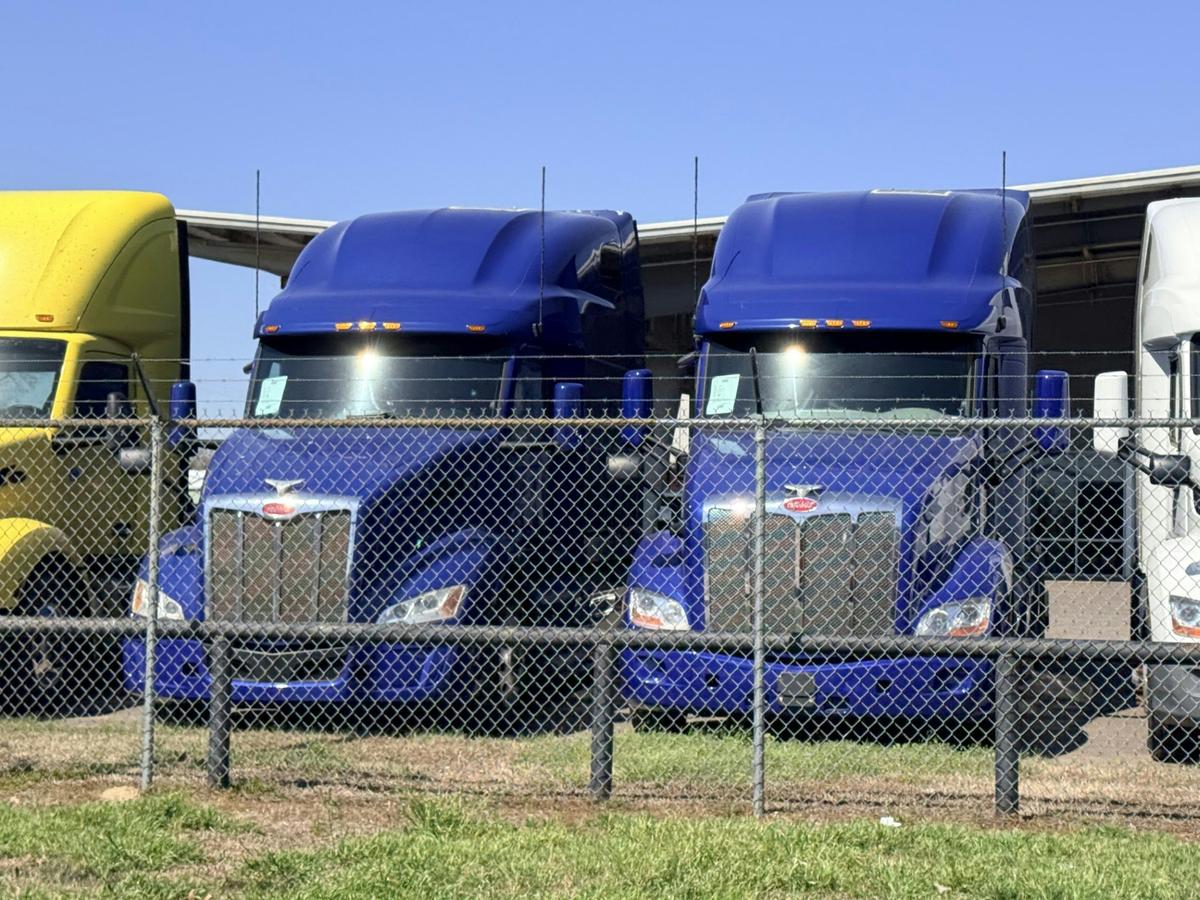
Chaotic DMV ICE Raid, 'BS' Canadian CDLs: FMCSA's Non-Domiciled Ban, One Month Later
Key Takeaways
- •FMCSA ban threatens 194,000 non‑domiciled CDL holders over five years
- •Pennsylvania ICE raid highlights heightened enforcement at state DMVs
- •Visa‑holding drivers denied U.S. CDLs despite treaty‑based eligibility
- •New York lost $74 million federal highway funds over CDL violations
- •Insurers increasingly reject Canadian CDLs, raising costs for foreign operators
Pulse Analysis
The FMCSA’s recent rule to curb non‑domiciled commercial driver’s licenses reflects a strategic push to tighten security and reduce perceived fraud in the trucking sector. By limiting new issuances to a narrow set of business‑visa categories, the agency projects that nearly all 200,000 foreign‑licensed drivers will lose their credentials as they expire, trimming an estimated 194,000 licenses over the next five years. Proponents argue the move protects national safety and aligns with broader immigration enforcement, while industry groups warn it could exacerbate an already tight driver shortage.
Enforcement has quickly moved from paper to street‑level actions. A chaotic ICE operation at the West Kittanning DMV in Pennsylvania resulted in 13 arrests and a reported assault on an officer, illustrating how state licensing offices have become flashpoints for federal immigration priorities. Pennsylvania officials stress they are merely processing medical‑form updates for existing holders, yet the incident sparked local backlash and highlighted the tension between state compliance and community concerns. Meanwhile, New York’s $74 million loss of federal highway funding after failing to revoke improperly issued non‑domiciled CDLs underscores the fiscal risks states face when they fall out of step with federal mandates.
For carriers, the ripple effects are immediate and costly. Drivers like the Bakers, who hold E‑2 Treaty Investor visas, find themselves barred from U.S. CDLs despite treaty provisions, forcing reliance on Canadian licenses that many insurers deem high‑risk or charge premium rates. This insurance hurdle, combined with the looming expiration of existing non‑domiciled licenses, threatens to shrink the pool of qualified long‑haul operators, potentially driving freight rates higher. Legal challenges to the rule are pending, but until courts intervene, carriers must navigate a tightening regulatory landscape, reassess staffing strategies, and brace for possible supply‑chain disruptions.
Chaotic DMV ICE raid, 'BS' Canadian CDLs: FMCSA's non-domiciled ban, one month later
Comments
Want to join the conversation?