“Cheaper to Run:” NSW Targets Charging Gap and Electric Trucks in New EV Strategy
Companies Mentioned
Why It Matters
By tackling infrastructure shortages and supporting heavy‑vehicle electrification, the strategy removes key barriers to broader EV adoption, potentially reducing fuel demand and emissions in Australia’s largest economy.
Key Takeaways
- •NSW allocates $100 million to expand fast‑charging network statewide.
- •New kerbside chargers target apartment dwellers lacking home charging.
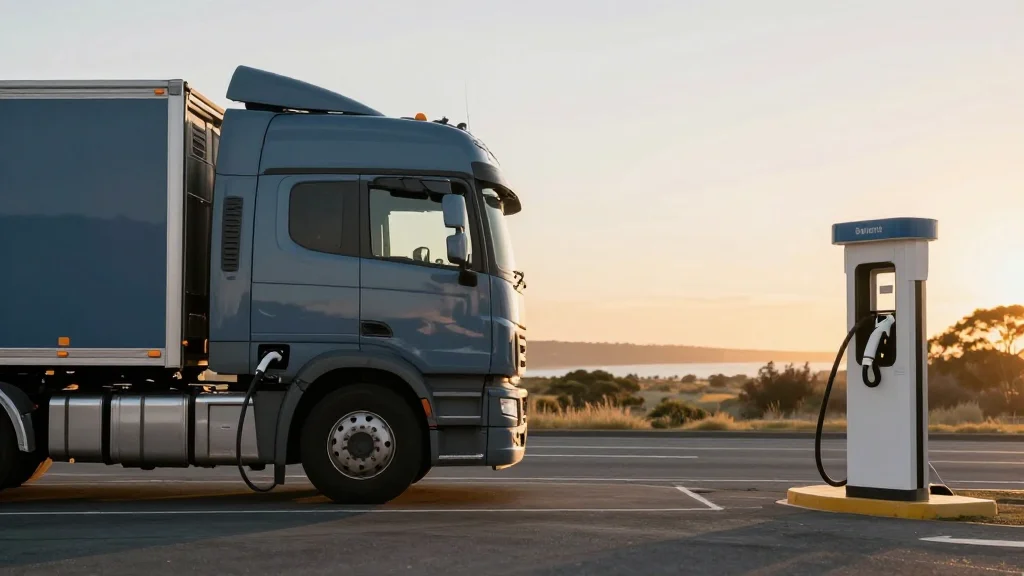
- •EV Fleets Incentive now includes medium‑size trucks for business fleets.
- •2,000 regional mechanics will receive training on electric vehicle maintenance.
- •EVs represent 15% of NSW new car sales, expected to rise.
Pulse Analysis
New South Wales is betting on a massive infrastructure push to turn the tide on its fuel‑price crisis. The $100 million package earmarks funds for fast‑charging hubs in regional towns where drivers have traditionally faced long distances between stations. By extending the network beyond metropolitan corridors, the state hopes to replicate the convenience that has driven EV growth in places like California, while also addressing the "charging anxiety" that still deters many Australian motorists.
A distinctive element of the plan is its focus on residents without private parking. Kerbside chargers installed on streets and in apartment complexes will let renters plug in their cars without costly retrofits. This urban‑centric approach mirrors recent European policies that recognize shared housing as a major obstacle to EV adoption. Coupled with a federal $20 million advertising campaign promoting fuel‑saving driving habits, NSW’s effort creates a coordinated push that could lift the national EV market share well beyond the current 15% of new sales.
The strategy also targets the commercial sector, expanding the EV Fleets Incentive to include medium‑size trucks—a move that could catalyze electrification of logistics and construction fleets. Training 2,000 regional mechanics ensures a skilled workforce to maintain these vehicles, mitigating concerns about service availability in remote areas. Together, the infrastructure rollout, fleet incentives, and workforce development signal a holistic approach that could accelerate Australia’s transition to low‑carbon transport, lower household fuel expenses, and stimulate new jobs in the emerging electric‑mobility ecosystem.
“Cheaper to run:” NSW targets charging gap and electric trucks in new EV strategy
Comments
Want to join the conversation?
Loading comments...