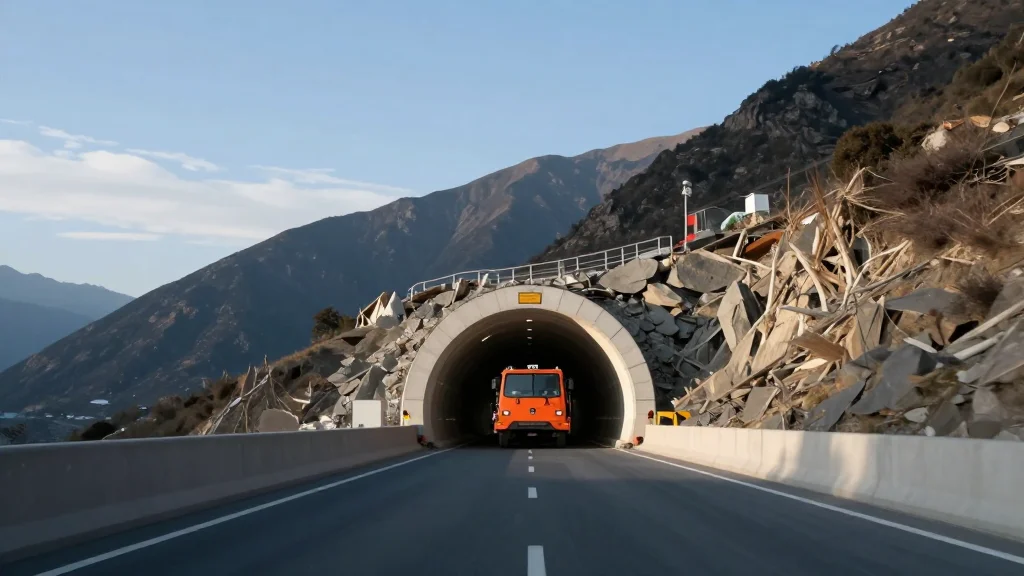
Chenani-Nashri's Two-Lane Tube Tunnel Gets Green Light: Union Minister Jitendra Singh
Why It Matters
By expanding capacity on a critical north‑south artery, the parallel tunnel will reduce congestion, lower travel times, and strengthen logistical links to the Kashmir Valley—key for commerce, tourism, and national security.
Key Takeaways
- •Parallel tunnel adds two lanes to Chenani-Nashri stretch.
- •Capacity boost eases congestion on NH-44, a strategic corridor.
- •Enhances safety and resilience for Kashmir Valley connectivity.
- •Supports defense logistics and disaster response in the Himalayas.
- •Complements existing Dr Syama Prasad Mookerjee tunnel infrastructure.
Pulse Analysis
The Chenani‑Nashri corridor has become a bottleneck on NH‑44, the lifeline that connects the Indian mainland to the Kashmir Valley. The original Dr Syama Prasad Mookerjee tunnel, inaugurated in 2017, was a landmark engineering feat that cut travel time by several hours and provided all‑weather access through the Himalayas. However, rising vehicle volumes—particularly freight trucks and tourist buses—have strained the twin‑tube capacity, prompting calls for a parallel conduit. The newly approved two‑lane tube tunnel will effectively double the lane count, offering a dedicated flow for heavy and light traffic while preserving the existing tunnel for maintenance and emergencies.
Beyond easing daily congestion, the project carries significant economic and strategic weight. Faster, more reliable movement of goods lowers logistics costs for manufacturers sourcing raw materials from the north, while tourism operators benefit from shorter, safer journeys to popular hill stations. For the defense establishment, the enhanced route ensures rapid deployment of troops and equipment to forward posts, a critical factor given the region’s sensitive security dynamics. Moreover, the tunnel’s resilience against landslides and extreme weather bolsters disaster‑response capabilities, enabling quicker relief deliveries during floods or earthquakes.
Financing the tunnel will likely involve a mix of central government allocations and public‑private partnership models, mirroring recent infrastructure initiatives across India. Construction in a high‑altitude, seismically active zone poses engineering challenges, but advances in tunnel‑boring technology and lessons from the existing tunnel mitigate risks. Completion is projected within the next five years, aligning with the broader National Highways Development Project that seeks to upgrade strategic corridors. Once operational, the parallel tunnel will not only decongest a vital highway but also signal India’s commitment to modernizing its mountainous transport network, fostering long‑term regional integration and economic growth.
Chenani-Nashri's two-lane tube tunnel gets green light: Union Minister Jitendra Singh
Comments
Want to join the conversation?
Loading comments...