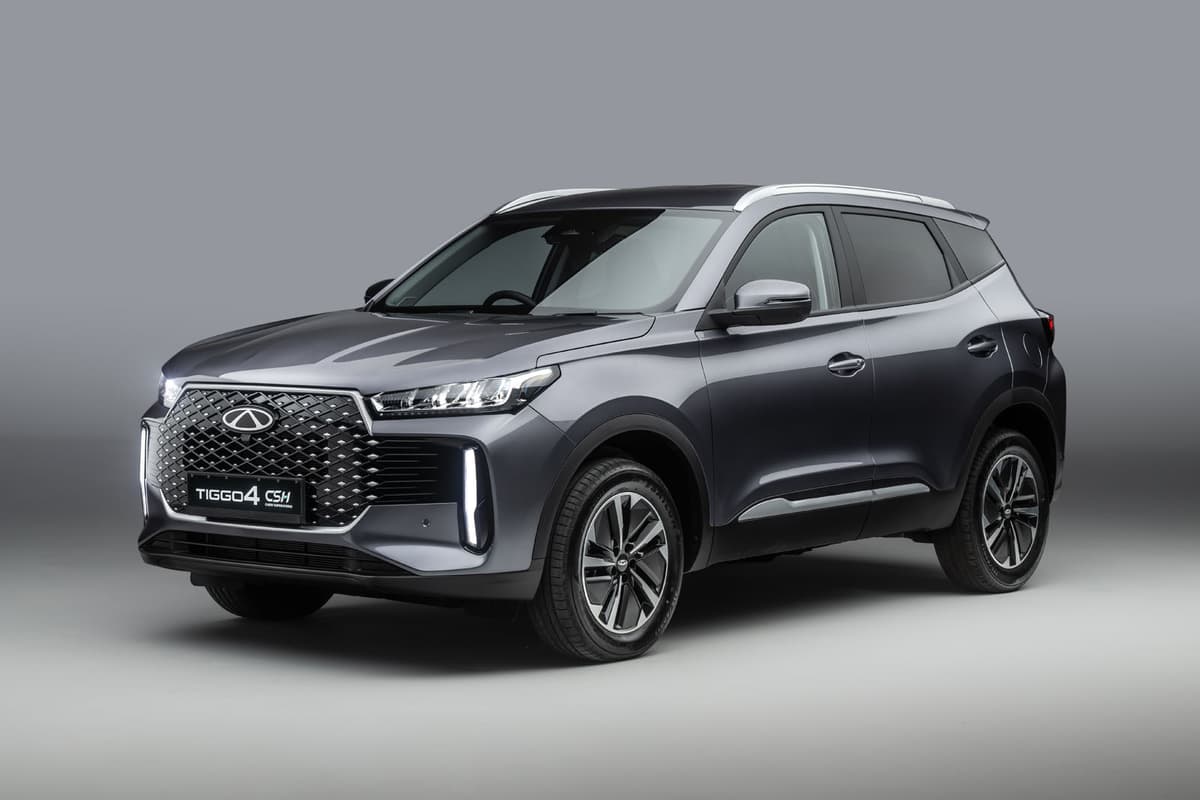
Chery Tiggo 4 Coming to UK as £20k Hybrid Crossover
•March 10, 2026
0
Why It Matters
The Tiggo 4’s aggressive pricing could disrupt the budget hybrid SUV segment, forcing established European brands to reassess pricing and value propositions. Its entry signals growing acceptance of Chinese manufacturers in the UK automotive market.
Key Takeaways
- •Tiggo 4 priced from £19,995, undercutting rivals.
- •Hybrid power: 1.5L engine, 1.83kWh battery, 201bhp total.
- •Competes with Dacia Duster and Vauxhall Frontera.
- •Features dual 10.25‑inch screens with Apple CarPlay, Android Auto.
- •UK specs pending; Australian emissions 123g/km, 52mpg.
Pulse Analysis
Chinese carmakers are accelerating their push into Europe, and Chery’s Tiggo 4 exemplifies that strategy. By pricing the compact hybrid crossover just under £20,000, Chery undercuts traditional budget SUVs by roughly £5,000, a margin that could reshape consumer expectations in a market increasingly focused on fuel efficiency and low emissions. The price point also aligns with the UK’s growing demand for affordable electrified vehicles, a segment that has historically been dominated by Japanese and European brands.
Technically, the Tiggo 4 blends a modest 1.5‑litre petrol engine with a 1.83 kWh battery, delivering a combined 201 bhp and 229 lb‑ft of torque. While Australian figures list 95 bhp from the engine and the full output from the electric motor, UK performance data are pending, though early estimates suggest comparable power and a fuel economy near 52 mpg (≈123 g/km CO₂). The vehicle’s compact dimensions place it squarely against the Dacia Duster and Vauxhall Frontera, but its hybrid drivetrain offers a greener alternative that could appeal to environmentally conscious buyers without sacrificing practicality.
The Tiggo 4’s market entry may force incumbents to revisit pricing structures and hybrid offerings. As UK consumers weigh cost against eco‑credentials, a sub‑£20,000 hybrid could become a benchmark for value, prompting rivals to introduce lower‑priced electrified variants or enhance standard equipment. Moreover, Chery’s decision to include dual 10.25‑inch screens with seamless Apple CarPlay and Android Auto integration signals a commitment to modern infotainment standards, further narrowing the perceived quality gap between Chinese and established Western manufacturers. If the model meets emissions targets and delivers on promised performance, it could accelerate the broader acceptance of Chinese automotive brands across Europe.
Chery Tiggo 4 coming to UK as £20k hybrid crossover
0
Comments
Want to join the conversation?
Loading comments...