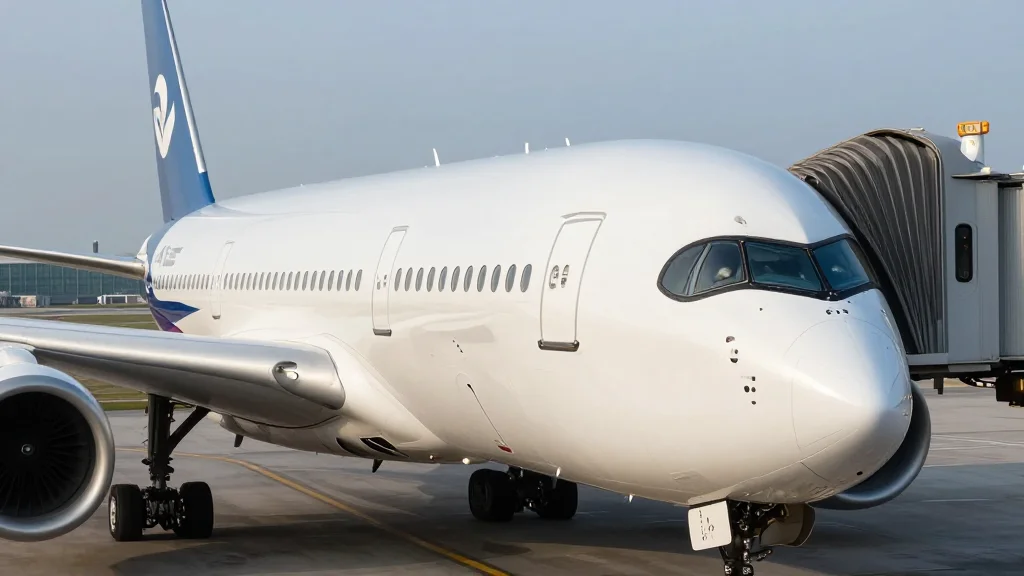
China Airlines Airbus A350-1000 Grounded After Jetbridge Tears Cabin Door Off Its Hinges
Key Takeaways
- •China Airlines A350-1000 damaged when jetbridge pulled door off hinges
- •No injuries; all passengers and crew had deplaned before incident
- •Investigation points to missing wheel chocks as likely cause
- •Similar jetbridge mishaps have grounded widebodies for weeks
- •Repair timeline depends on structural damage; could take up to two months
Pulse Analysis
Jetbridge‑induced door failures, while rare, have repeatedly forced major carriers to ground expensive wide‑body aircraft. From British Airways’ 777 in Cape Town to American Airlines’ 787 in Dublin, the common thread is a mis‑aligned or malfunctioning gate system that contacts an open cabin door. Such events expose a hidden vulnerability in airport‑ground operations, where a single oversight can translate into millions of dollars in repair costs and significant schedule disruptions. As airlines expand fleets with high‑value aircraft like the Airbus A350, the financial stakes of a gate‑side mishap have never been higher.
The Melbourne incident involved China Airlines’ A350‑941 (MSN 57) rolling backward after arriving from Taipei, apparently without the required wheel chocks securing the landing gear. With the forward left‑hand door still open, the jetbridge caught the hinge mechanism, tearing the door from the fuselage. Fortunately, the aircraft was empty, preventing injuries, but the damage is severe enough to keep the plane grounded and cancel the return flight to Taiwan. Engineers will now conduct a structural assessment; depending on the extent of fuselage deformation, repairs could range from a few weeks to several months.
Beyond the immediate operational fallout, the episode underscores the importance of rigorous ground‑handling standards and real‑time monitoring. Airlines may need to invest in automated chock‑verification systems or enhanced crew training to mitigate human error. Regulators, too, could tighten oversight of jetbridge maintenance and require periodic safety audits at high‑traffic hubs. For passengers, such incidents erode confidence in on‑time performance, while for carriers the hidden cost—lost revenue, aircraft downtime, and reputational risk—can quickly outweigh the expense of preventive measures. Proactive safety culture remains the most cost‑effective defense.
China Airlines Airbus A350-1000 Grounded After Jetbridge Tears Cabin Door Off Its Hinges
Comments
Want to join the conversation?