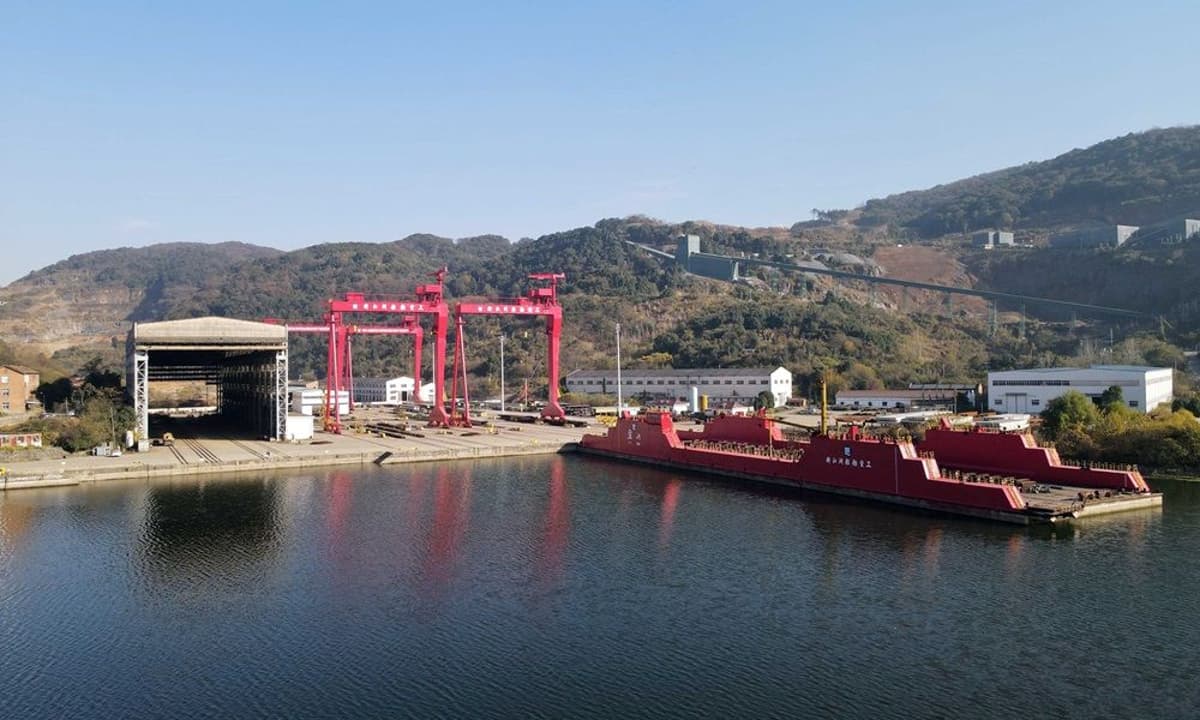
China Merchants Unit Orders LNG-Powered Yangtze Bulkers
•March 6, 2026
0
Why It Matters
The deal accelerates LNG adoption in China’s inland shipping sector, supporting national emissions targets and enhancing the efficiency of the vital Yangtze corridor.
Key Takeaways
- •Two 20,000 dwt LNG bulkers ordered.
- •River‑sea design serves Yangtze Grade A routes.
- •Dual 2,000 kW engines power LNG system.
- •Expected CO₂ reduction exceeds 20 %.
- •Expands China Merchants’ low‑carbon inland fleet.
Pulse Analysis
China’s inland shipping network, anchored by the Yangtze River, moves millions of tonnes of bulk cargo annually and accounts for a sizable share of the nation’s maritime emissions. In response, policymakers have promoted liquefied natural gas (LNG) as a transitional fuel, offering subsidies and streamlined approvals for vessels that meet stricter carbon standards. This regulatory backdrop creates a fertile environment for operators seeking to modernise fleets while aligning with China’s 2030 carbon‑peak and 2060 net‑zero ambitions.
The two newbuildings ordered by Changhang Freight embody that shift. Built by Jiangxi New Jiangzhou Shipbuilding, each 20,000 dwt vessel combines river‑sea capabilities with dual 2,000‑kW LNG‑driven engines, allowing them to navigate Grade A sections of the Yangtze and then transition to coastal routes without refitting. The LNG propulsion system is expected to deliver a carbon‑dioxide reduction of over 20 % compared with conventional fuel‑oil units, translating into lower operating costs and compliance with emerging emissions regulations. For Changhang, the addition of these low‑carbon bulkers strengthens its service offering across handysize to supramax segments while reinforcing China Merchants’ strategic push toward a greener inland fleet.
Industry analysts view the order as a bellwether for broader LNG uptake among Chinese inland carriers. Shipyards are scaling up LNG‑compatible production lines, and financing institutions are increasingly tying credit to environmental performance metrics. As ESG considerations gain prominence among global investors, operators that demonstrate tangible emissions cuts—such as through LNG retrofits or new builds—gain a competitive edge in securing cargo contracts and capital. Consequently, China Merchants’ move not only advances its sustainability agenda but also signals a market‑wide transition toward cleaner propulsion technologies in one of the world’s busiest inland waterways.
China Merchants unit orders LNG-powered Yangtze bulkers
0
Comments
Want to join the conversation?
Loading comments...