China Puts EVs on a Diet as Battery Boom Adds Bulk, CCTV Reports
Why It Matters
The new standards force automakers to prioritize energy efficiency and compact design, protecting urban infrastructure and aligning China’s EV surge with sustainability goals. This regulatory pressure will reshape product strategies across the world’s largest EV market.
Key Takeaways
- •Average Chinese passenger car weight 1,704 kg in 2024, up 33% since 2012.
- •EVs approaching 2 m width strain parking spaces built to 2.4 m standard.
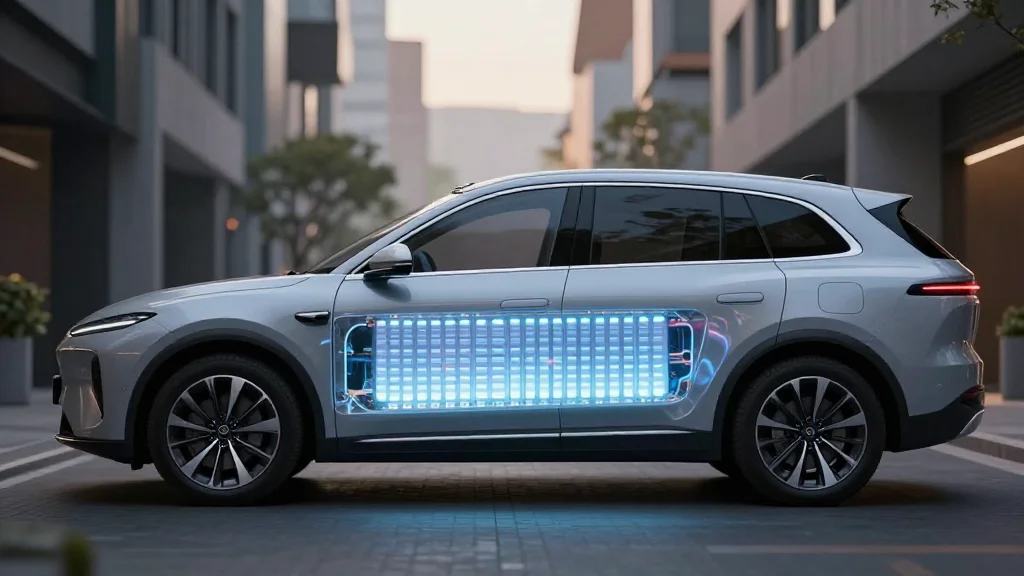
- •Battery packs can weigh up to 800 kg to enable 1,000 km range.
- •New national standard bars EVs failing energy‑consumption limits from Jan 1.
- •Luxury features like in‑car toilets turn EVs into mobile living spaces.
Pulse Analysis
China’s EV boom has produced a paradox: while longer ranges and high‑tech cabins attract buyers, they also inflate vehicle dimensions. Battery capacities approaching 800 kg enable 1,000‑kilometer drives, but the added mass pushes average car weight to 1,704 kg—up 33 % since 2012. Wider bodies, often exceeding 2 meters, reflect a consumer appetite for spacious, multi‑purpose interiors that double as mobile offices or even include amenities like in‑car toilets. This trend mirrors global luxury EV strategies, yet China’s sheer market scale magnifies its impact on urban mobility.
The swelling size of Chinese EVs strains existing infrastructure. Parking bays designed a decade ago accommodate vehicles up to 2.4 meters wide, leaving little clearance for models approaching 2.3 meters. Heavier cars also increase energy consumption, undermining the environmental benefits of electrification. In response, Beijing introduced a mandatory national standard on Jan. 1 that bars any new EV failing strict energy‑consumption thresholds from being produced, sold, or registered. The rule forces manufacturers to balance range ambitions with efficiency, effectively curbing the unchecked growth of bulky electric models.
For automakers, the policy creates both a challenge and an opportunity. Companies must innovate lighter battery chemistries, re‑engineer chassis, and streamline interiors without sacrificing the premium experiences Chinese consumers expect. Those that succeed could set new benchmarks for compact, high‑range EVs, gaining a competitive edge domestically and abroad. Conversely, firms lagging in efficiency risk losing market share as regulators and city planners prioritize slimmer, more sustainable designs. The shift underscores a broader industry pivot: performance and luxury must now coexist with stringent energy standards, reshaping the future of electric mobility worldwide.
China Puts EVs on a Diet as Battery Boom Adds Bulk, CCTV Reports
Comments
Want to join the conversation?
Loading comments...