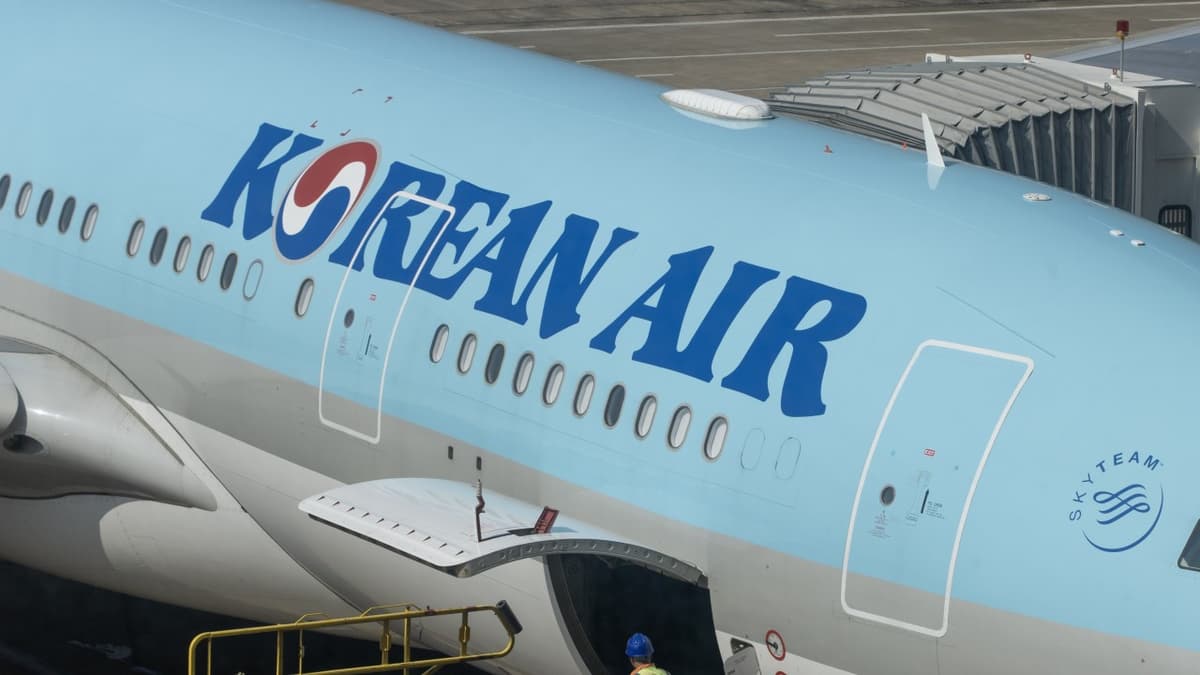
China, South Korea Boost Commercial Flights as Tourism Increases Between the 2 Countries
Why It Matters
The expanded air capacity deepens bilateral travel ties, lifts tourism revenue, and positions South Korea as a key alternative destination amid rising China‑Japan tensions.
Key Takeaways
- •Passenger flights rise to 664 weekly, cargo to 68 weekly.
- •Chinese inbound tourists hit 1.4 million, exceeding pre‑pandemic levels.
- •South Korean outbound trips to China up 24% YoY, 2.66 million.
- •10‑year Chinese visas and visa‑free Korean visits ease travel.
- •China‑Japan tensions shift Chinese tourists toward South Korea.
Pulse Analysis
The Seoul Ministry of Land, Infrastructure and Transport announced a boost in air connectivity with China, raising weekly passenger slots from 608 to 664 and cargo flights from 54 to 68. This is the first capacity increase since before the COVID‑19 shutdown, signaling confidence that demand will outpace supply. Airlines are targeting high‑traffic corridors such as Shanghai‑Seoul and Guangzhou‑Incheon, where load factors have consistently topped 80 percent. The added seats are expected to accommodate an estimated 1.2 million additional travelers over the next year, reinforcing South Korea’s position as a regional hub.
Tourism data from Yanolja shows China already led inbound travel to Korea in Q1 2026 with 1.4 million visitors, surpassing pre‑pandemic figures, while 2.66 million South Koreans made the reverse trip, a 24.1 percent year‑on‑year rise. The surge is fueled by relaxed visa rules: Seoul now offers ten‑year multiple‑entry visas to Chinese nationals, and Koreans enjoy visa‑free entry to most Chinese cities. Combined with the appeal of K‑pop, dramas and fashion, the shorter flight times and lower costs make both directions mutually attractive, driving ancillary spending in hospitality, retail and entertainment sectors.
Beyond economics, the flight expansion reflects shifting geopolitics. After Japan’s recent diplomatic flare‑up over Taiwan, Chinese travel agencies curtailed group tours to Tokyo, prompting a spillover of tourists toward Seoul, which many now view as a safe alternative. Analysts predict this ‘limit‑Japan’ effect could sustain higher Korean inbound volumes even if bilateral tensions ease. For airlines and tourism operators, the trend offers a chance to diversify revenue streams away from a Japan‑centric model. Continued cooperation on air rights and joint marketing will be crucial to lock in the gains.
China, South Korea boost commercial flights as tourism increases between the 2 countries
Comments
Want to join the conversation?
Loading comments...