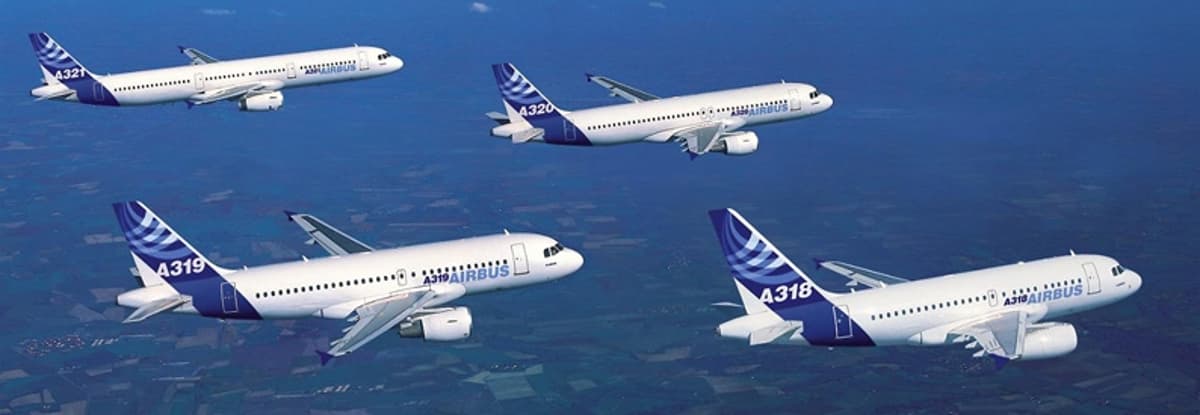
China to Order up to 120 Airbus Jets
•March 2, 2026
0
Why It Matters
The deal deepens Airbus’s market share in China, intensifying competition with Boeing and shaping the nation’s rapid airline capacity expansion. It also signals stronger Europe‑Asia aerospace collaboration amid shifting geopolitical dynamics.
Key Takeaways
- •Up to 120 Airbus jets pending Chinese government order
- •Order announced by German Chancellor Friedrich Merz in Beijing
- •Specific models, schedule, and value not disclosed
- •Follows recent A321‑200N and A320neo buys by Chinese carriers
- •Airbus maintains A320neo final‑assembly line in Tianjin
Pulse Analysis
China’s aviation sector is on a steep growth trajectory, driven by rising passenger demand and government‑led fleet modernization. The pending 120‑jet order reflects the state’s strategy to replace aging aircraft and expand route networks for carriers such as Air China, China Eastern, and China Southern. Recent purchases of A321‑200N and A320neo variants illustrate a clear preference for fuel‑efficient narrow‑bodies, positioning Airbus as a primary supplier in a market traditionally split between the European and American manufacturers.
From a competitive standpoint, the announcement bolsters Airbus’s foothold against Boeing, which has faced supply chain disruptions and regulatory scrutiny in recent years. The presence of an A320neo final‑assembly line in Tianjin reduces lead times and lowers costs for Chinese airlines, while also showcasing Europe’s willingness to invest in local production capabilities. This partnership aligns with broader geopolitical trends where European firms seek deeper ties with Asian economies to diversify risk and capture growth.
Financially, a 120‑jet contract could translate into several tens of billions of dollars in revenue for Airbus over the next decade, depending on configuration and support services. For Chinese carriers, the influx of modern aircraft promises lower operating expenses, higher utilization rates, and the ability to launch new long‑haul routes. The deal also signals to the global market that China remains a decisive arena for aerospace competition, prompting both manufacturers to accelerate innovation and tailor offerings to Chinese regulatory and operational preferences.
China to order up to 120 Airbus jets
0
Comments
Want to join the conversation?
Loading comments...