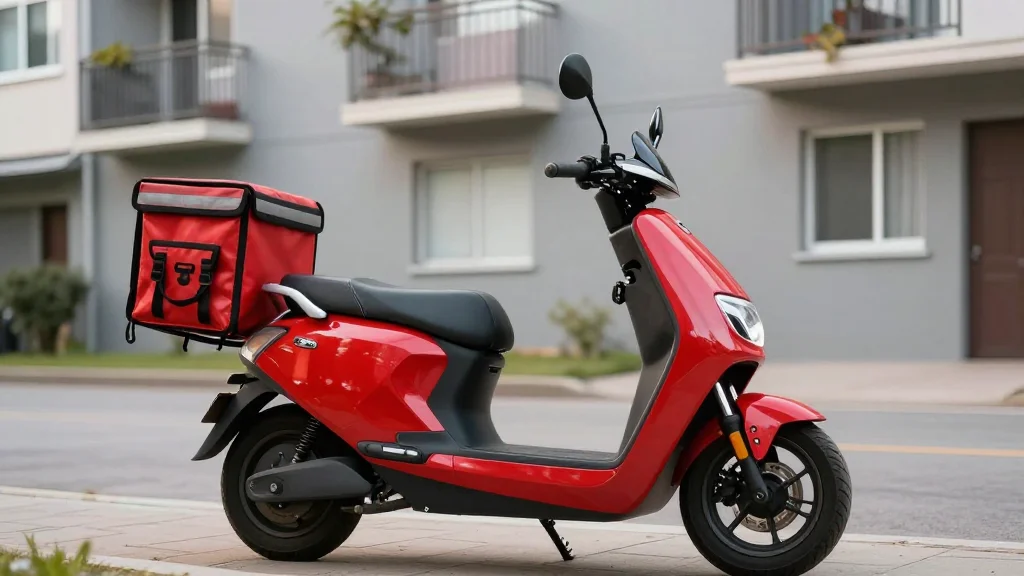
China’s Delivery Drivers Are Its Most Obvious Underclass
Why It Matters
The livelihood of millions of gig workers hinges on policy shifts, and inadequate reforms could deepen income inequality and social instability in China’s urban centers.
Key Takeaways
- •Drivers earn roughly $500‑$600 per month, often below living costs
- •New municipal rules limit overtime and require minimum wage compliance
- •Platform fees and algorithmic quotas keep earnings volatile
- •Urban housing scarcity forces drivers into cramped, sub‑standard rentals
Pulse Analysis
China’s delivery sector exploded after the pandemic, with platforms like Meituan and Ele.me dispatching millions of parcels daily. The surge created a new labor tier: young migrants on scooters, juggling tight schedules and thin profit margins. Their earnings, typically $500‑$600 a month, fall short of the $1,200 average urban living cost, pushing many into shared rooms or basement apartments. This precarious existence is amplified by algorithm‑driven quotas that penalize slower deliveries, compelling drivers to work longer hours under hazardous conditions.
In response, several city governments introduced rules targeting the gig workforce. The regulations cap daily overtime at eight hours, mandate a baseline hourly wage of roughly $4.50, and require platforms to provide safety helmets and insurance. While these measures signal official acknowledgment of driver hardships, enforcement remains patchy. Platforms argue that tighter controls could increase order prices, potentially dampening consumer demand. Moreover, the broader Chinese economy’s slowdown limits the fiscal space for subsidies that could offset higher labor costs, leaving drivers vulnerable to the same income pressures.
The situation underscores a larger debate about the sustainability of China’s gig economy. As consumer expectations for ultra‑fast delivery persist, platforms must balance efficiency with fair labor practices. Failure to do so could trigger social discontent and attract stricter national oversight. Conversely, successful integration of protective policies could set a precedent for other emerging markets grappling with similar underclass dynamics. Stakeholders—from investors to policymakers—should monitor how these reforms evolve, as they will shape the future of urban labor and the profitability of China’s dominant delivery giants.
China’s delivery drivers are its most obvious underclass
Comments
Want to join the conversation?
Loading comments...