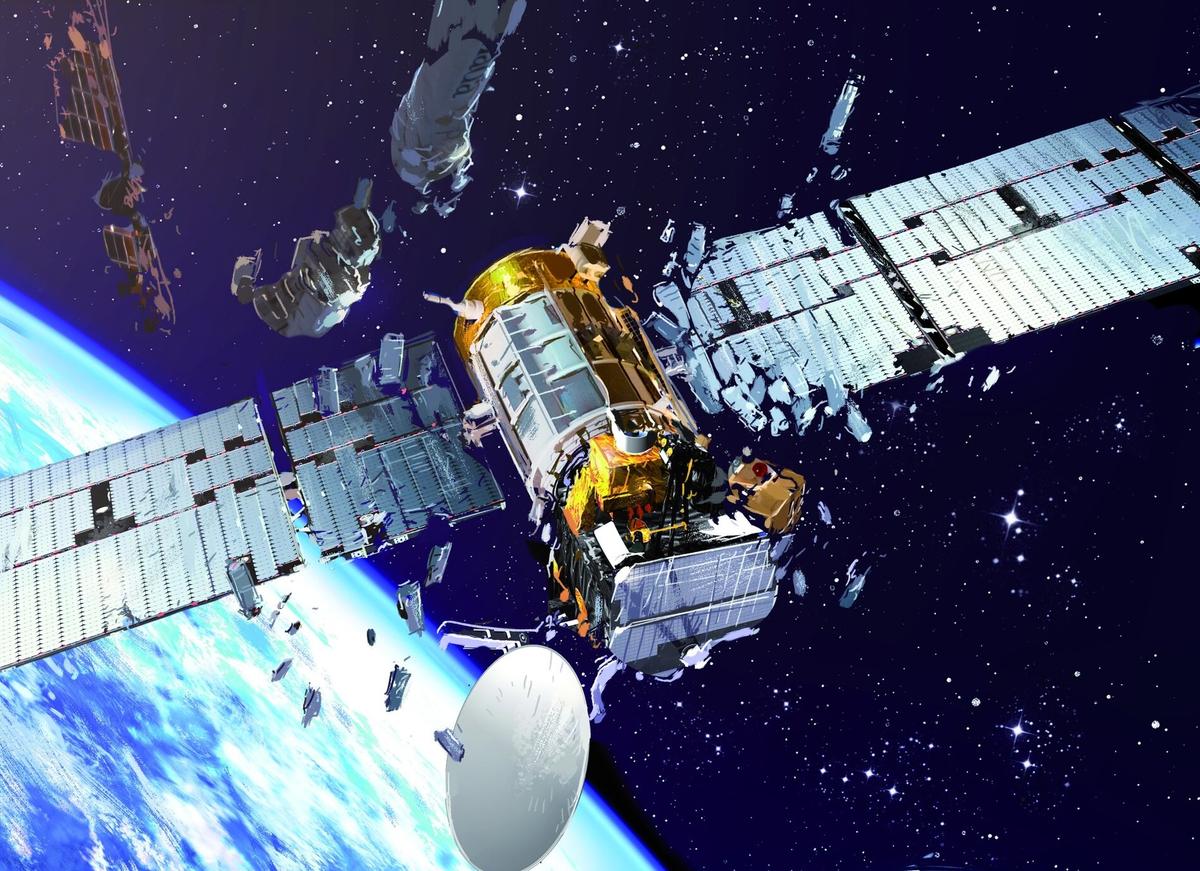
China’s High-Speed Trains Could Soon Be Controlled by Satellites
Why It Matters
Shifting train control to space could set a new global standard for rail safety and efficiency, but it also creates a novel cyber‑risk vector that regulators and exporters must address.
Key Takeaways
- •China proposes LEO satellites to manage bullet train signalling
- •Satellite link bypasses weather‑prone ground equipment
- •Researchers warn of spoofing, jamming, and insider threats
- •End‑to‑end encryption and onboard sensor checks suggested as defenses
- •Exported rail projects may include space‑based control, raising sovereignty questions
Pulse Analysis
China’s high‑speed rail network, the world’s largest, still relies on a sprawling web of trackside signalling equipment—track circuits, wayside signals and radio masts—that must be inspected, calibrated and repaired regularly. The 2011 Wenzhou crash, triggered by a lightning‑induced circuit failure, underscored how a single ground fault can cascade into a fatal accident. Faced with mounting maintenance costs and the geographic challenges of extending rail into mountainous or flood‑prone regions, Chinese engineers are looking upward, leveraging the country’s mature BeiDou navigation constellation and a planned constellation of low‑Earth‑orbit (LEO) satellites to relocate the “brain” of train control into space.
The proposed architecture turns each train into a data beacon, continuously streaming its precise position and speed to orbiting relays. Ground control would then issue movement authorities back through the same satellite link, eliminating the need for continuous physical connectivity along the track. In theory, this removes exposure to storms, landslides and vandalism, while also simplifying the rollout of new lines in difficult terrain. However, moving critical safety functions to space introduces a new attack surface. Cyber‑security analysts highlight risks such as signal spoofing, jamming, and exploitation of ground‑station gateways that connect to public networks, especially given the limited processing power of many small satellites.
If the concept proves viable, it could become a differentiator for China’s rail export business, allowing overseas customers in Indonesia, Thailand and beyond to adopt a leaner, more resilient signalling solution bundled with Chinese rolling stock. Yet the prospect of a foreign‑operated satellite control layer raises geopolitical and regulatory questions about data sovereignty and operational authority. Nations may demand domestic encryption keys or parallel on‑board safety systems to mitigate dependence on an external space infrastructure. The coming years will likely see pilots, standards discussions at the International Union of Railways, and a race among global players to secure the next generation of rail‑to‑space integration.
China’s High-Speed Trains Could Soon Be Controlled by Satellites
Comments
Want to join the conversation?
Loading comments...