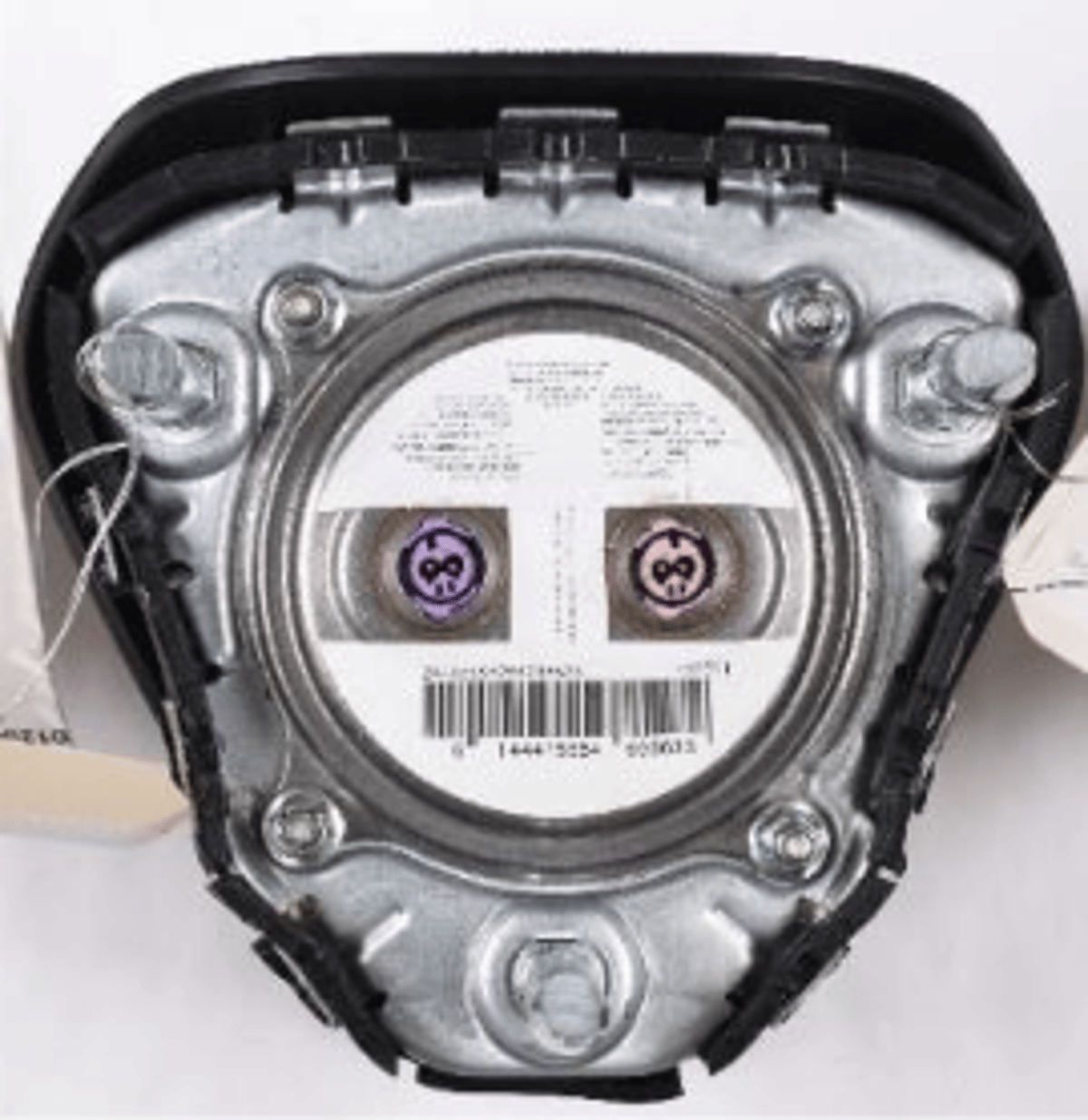
Chinese Air Bag Components Tied to 10 Crash Deaths Banned in the U.S.
Companies Mentioned
Why It Matters
The ban underscores the safety risks posed by counterfeit or substandard aftermarket parts and signals tighter regulatory oversight, affecting manufacturers, repair shops, and the used‑vehicle market.
Key Takeaways
- •NHTSA bans Chinese replacement airbag inflators after 10 fatalities
- •12 U.S. crashes linked to DTN inflators since May 2023
- •Fatalities occurred in GM Chevrolet Malibu and Hyundai Sonata models
- •Inflators ruptured, propelling metal fragments into occupants
- •Consumers urged to inspect airbags in previously crashed used vehicles
Pulse Analysis
The NHTSA’s decision to prohibit Chinese‑origin replacement air‑bag inflators marks a rare, decisive action in response to a string of fatal incidents. Investigators traced twelve crashes, including ten deaths, to inflators manufactured by Jilin Province Detiannuo Automobile Safety System Co Ltd. These devices failed during otherwise survivable collisions, exploding and hurling metal shards into drivers’ chests, necks, and faces. While DTN disputes liability and suggests the parts may be counterfeit, the agency’s findings highlight a systemic vulnerability in the aftermarket parts supply chain, where substandard components can infiltrate U.S. vehicles through informal channels.
The ban reverberates across the automotive aftermarket, a sector valued at billions of dollars and heavily reliant on cross‑border component sourcing. OEMs have long warned that non‑original parts can compromise safety, but enforcement has been uneven. NHTSA’s move may trigger stricter import controls, heightened scrutiny of repair‑shop sourcing practices, and potential liability exposure for garages that install unverified inflators. Insurers are also likely to reassess risk models for used‑car policies, factoring in the heightened danger of counterfeit safety components. The ripple effect could accelerate a shift toward certified, traceable parts and bolster demand for OEM‑approved replacements.
For consumers, the immediate takeaway is vigilance. Anyone purchasing a used vehicle that has previously deployed an airbag should demand a documented inspection and verification that any replacement inflator meets U.S. safety standards. Repair shops must maintain rigorous provenance records and avoid gray‑market parts. Looking ahead, policymakers may consider expanding the NHTSA’s authority to mandate serial‑number tracking and real‑time reporting of aftermarket safety components. Such measures would enhance transparency, protect drivers, and restore confidence in the aftermarket ecosystem, reinforcing the broader goal of keeping America’s roads safe.
Chinese Air Bag Components Tied to 10 Crash Deaths Banned in the U.S.
Comments
Want to join the conversation?
Loading comments...