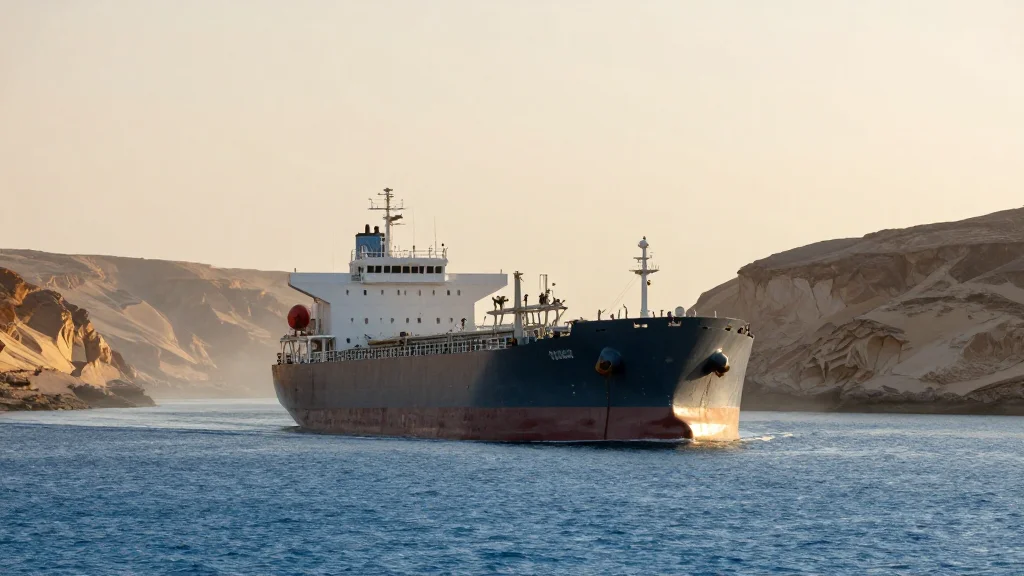
Chinese Shipowners and Brokers Survey Strait of Hormuz Reopening
Why It Matters
An open Hormuz corridor restores a critical chokepoint for global oil supply, directly affecting freight rates and Chinese energy imports. The outlook also signals potential shifts in tanker demand and risk pricing across the maritime sector.
Key Takeaways
- •Chinese owners greet US‑Iran deal, see Hormuz staying open
- •Operational risk and higher insurance premiums remain key concerns
- •Geopolitical uncertainty expected to influence routing decisions for months
- •Cathay Maritime predicts demand rise if Iranian crude returns
Pulse Analysis
The United States and Iran’s tentative agreement to keep the Strait of Hormuz open marks a pivotal moment for global oil logistics. For Chinese shipowners, whose fleets dominate the Asia‑to‑Europe crude corridor, the prospect of an uninterrupted passage reduces the risk premium that has been baked into freight contracts since the 2023 oil price shock. Analysts note that the Hormuz chokepoint accounts for roughly 20% of world oil shipments, so any disruption reverberates through spot rates, charter markets, and downstream refining margins.
Despite the diplomatic breakthrough, Chinese executives stress that operational risk remains high. Insurance underwriters have already lifted premiums to reflect the lingering threat of flash incidents, and many brokers warn that rerouting to alternative passages such as the Cape of Good Hope could re‑emerge if tensions flare. This uncertainty forces shipowners to adopt a flexible fleet deployment strategy, balancing the cost savings of the shorter Hormuz route against the potential expense of higher hull and war‑risk coverage. The nuanced risk calculus is reshaping charter negotiations and prompting a modest uptick in demand for vessels equipped with advanced navigation and safety systems.
Looking ahead, Cathay Maritime’s optimism hinges on a broader sanctions relief that would allow Iranian crude to re‑enter mainstream markets. If Tehran’s oil flows resume, Chinese refiners could secure a more diversified supply base, and tanker demand may climb as volumes rise. The ripple effect would likely tighten spot charter rates, stimulate new vessel orders, and influence the strategic positioning of Chinese shipping conglomerates in the global energy supply chain. In this environment, the reopening of the Strait of Hormuz is not just a geopolitical footnote—it is a catalyst for renewed activity across the maritime and energy sectors.
Chinese shipowners and brokers survey Strait of Hormuz reopening
Comments
Want to join the conversation?
Loading comments...