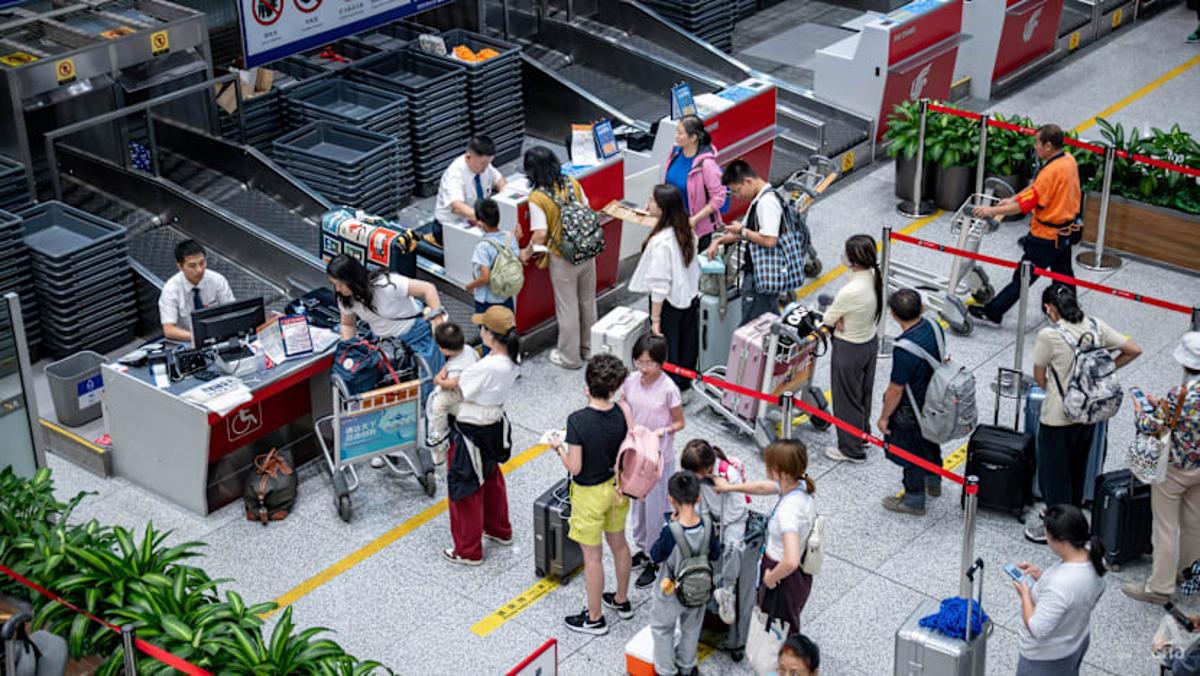
Chinese Travellers Hit by Wave of Southeast Asia Flight Cancellations, Singapore Routes Affected Amid Fuel Crisis
Companies Mentioned
Why It Matters
The cancellations expose how volatile fuel prices can cripple low‑cost carriers and reshape Chinese outbound travel, potentially shifting demand to higher‑margin European routes and inflating regional airfares.
Key Takeaways
- •Fuel surge forces Chinese airlines to cancel SE Asia flights for May.
- •Low‑cost carriers hit hardest; jet fuel now up to 50% of costs.
- •Ticket prices jumped from US$322 to US$733 on affected routes.
- •Singapore‑China flights suspended by Juneyao and Sichuan; Singapore Airlines unchanged.
- •Chinese airlines shift capacity to Europe, boosting summer frequencies by 24%.
Pulse Analysis
The current jet‑fuel crisis stems from heightened geopolitical tension in the Middle East, where the US‑Iran conflict has disrupted oil flows through the Strait of Hormuz. With crude and kerosene prices climbing sharply since March, airlines that rely on spot market purchases are seeing operating costs spike dramatically. Chinese carriers, which traditionally enjoy state support and access to cheaper kerosene, are nevertheless forced to trim schedules to preserve cash flow, especially on thin‑margin routes to popular Southeast Asian holiday spots.
Low‑cost carriers feel the pressure most acutely. Without the ability to hedge fuel prices, airlines such as Spring and China Southern see jet‑fuel expenses swell from a typical 30% of total costs to nearly half, eroding profitability and prompting abrupt cancellations. Consumers are bearing the fallout, with ticket prices on remaining seats more than doubling—from about US$322 to US$733—while travelers scramble for refunds and alternative itineraries. The uncertainty also dampens confidence, potentially suppressing demand for discretionary travel to the region.
In response, Chinese flag carriers are pivoting toward Europe, where they can leverage overflight rights over Russia to offer shorter, lower‑cost routes. Airlines like China Eastern are boosting European frequencies by up to 24% for the summer‑autumn season, and new services to Helsinki, London and Madrid are being launched. This strategic reallocation may cushion revenue losses and signal a longer‑term shift in Chinese outbound travel preferences, but the broader recovery of low‑cost mass travel remains contingent on stabilising fuel markets and a de‑escalation of Middle‑East hostilities.
Chinese travellers hit by wave of Southeast Asia flight cancellations, Singapore routes affected amid fuel crisis
Comments
Want to join the conversation?
Loading comments...