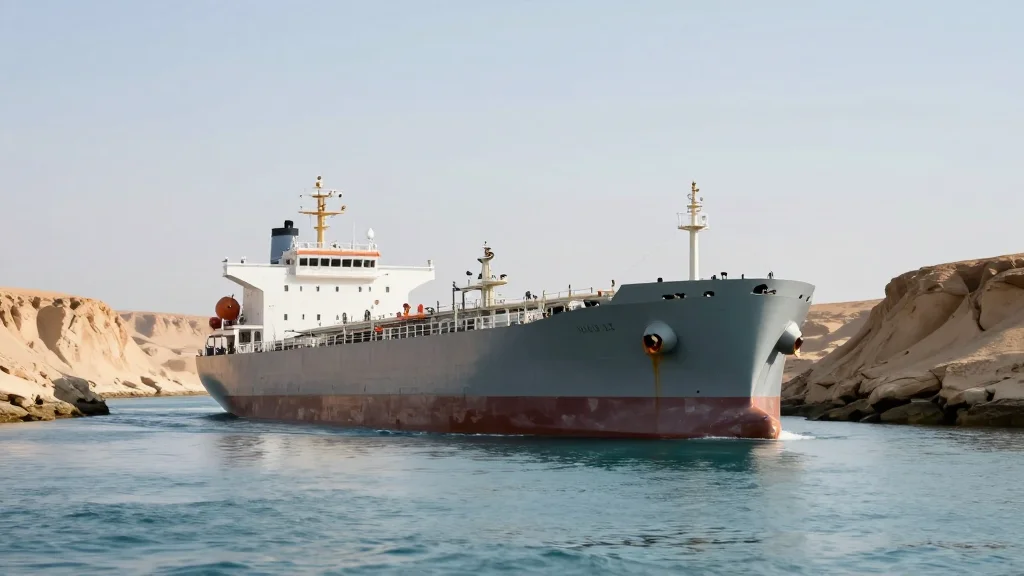
Chinese VLCC Yuan Hua Hu Clears Strait of Hormuz with 2 Million Barrels of Iraqi Crude

Why It Matters
The successful navigation of the Yuan Hua Hu underscores the fragility of global oil logistics when geopolitical flashpoints intersect with essential supply routes. As Iraq seeks to maintain export volumes, any interruption in the Strait of Hormuz can reverberate through world markets, inflating crude prices and destabilizing downstream industries. For China, the episode highlights the strategic importance of securing maritime corridors for its energy imports, prompting potential shifts toward alternative sourcing or diplomatic engagement to mitigate risk. Beyond immediate price effects, the transit signals how state‑linked shipping firms balance commercial imperatives against security threats. The willingness to risk a VLCC in a contested waterway reflects both the urgency of meeting domestic fuel demand and the broader geopolitical calculus of navigating U.S. sanctions policies while maintaining ties with Iran.
Key Takeaways
- •Yuan Hua Hu, a COSCO‑owned VLCC, carried ~2 million barrels of Iraqi crude
- •First Chinese supertanker to cross Hormuz since the U.S.–Iran clash began on Feb. 28
- •Ship was detained in the Persian Gulf for over two months before the transit
- •Transit occurred near a U.S. naval blockading force off Oman
- •Raises questions about possible payments to Iran and U.S. sanctions risk
Pulse Analysis
The Yuan Hua Hu’s passage through the Strait of Hormuz illustrates a convergence of energy logistics, geopolitics, and great‑power rivalry. Historically, Hormuz has been a chokepoint where supply shocks can trigger rapid price spikes; the 2019‑2020 price surge after Iranian attacks on tankers is a recent reminder. In this instance, China’s state‑linked shipping arm demonstrated a willingness to confront that risk, likely driven by Sinopec’s need to secure Iraqi crude for its refining hub in Shanghai. The move also tests the limits of U.S. sanctions policy, which threatens penalties for any entity that pays Iran for safe passage. If China did indeed negotiate a toll, it could set a precedent that other oil‑importing nations might follow, eroding the U.S. leverage over the waterway.
From a market perspective, the two‑million‑barrel cargo represents a modest slice of daily global oil flow, yet its symbolic weight is outsized. Traders will monitor subsequent shipments for signs of further Iranian interference, which could tighten the supply curve and sustain elevated Brent and WTI levels. Moreover, the incident may accelerate discussions within the International Maritime Organization and regional security coalitions about escort protocols and insurance premiums for VLCCs transiting high‑risk zones.
Looking forward, the episode could catalyze a strategic pivot for Chinese oil logistics. Options include diversifying import routes via the Red Sea and Suez, investing in larger fleets with enhanced defensive capabilities, or deepening diplomatic outreach to secure guarantees from Gulf states. Each path carries cost implications that will filter through to downstream fuel prices in China and, by extension, global markets. The Yuan Hua Hu’s journey, therefore, is not just a single vessel’s story but a bellwether for how energy‑dependent economies will navigate an increasingly contested maritime environment.
Chinese VLCC Yuan Hua Hu Clears Strait of Hormuz with 2 Million Barrels of Iraqi Crude
Comments
Want to join the conversation?
Loading comments...