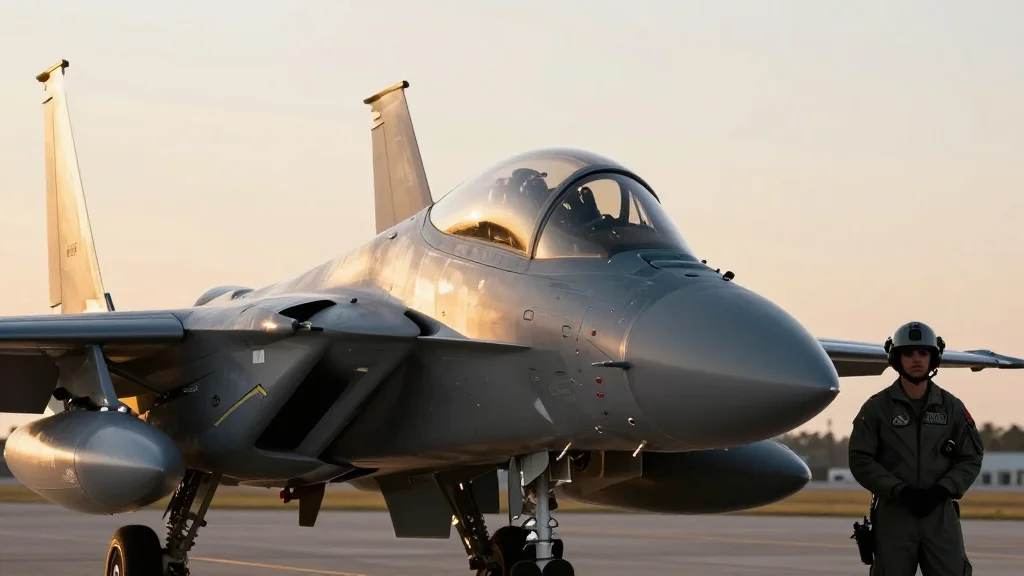
Citizen Airmen and the Legacy of Airpower: AFRC’s Enduring Bond with Team Robins
Why It Matters
AFRC’s integration with Robins AFB boosts operational capacity while leveraging civilian expertise, reinforcing the total force model critical for sustaining U.S. air superiority.
Key Takeaways
- •Citizen airmen provide critical maintenance expertise at Robins AFB.
- •Reserve‑active partnerships accelerate aircraft modernization timelines.
- •Robins’ legacy includes pivotal roles in B‑52 and F‑15 programs.
- •Recruitment drives focus on technical skills for future airpower.
- •Total force integration enhances readiness and cost efficiency.
Pulse Analysis
The Air Force Reserve Command’s (AFRC) bond with Robins Air Force Base illustrates how the total force concept maximizes both manpower and expertise. Citizen airmen—reservists who balance civilian careers with military service—bring specialized skills in aircraft maintenance, logistics, and engineering. At Robins, these reservists work side‑by‑side with active‑duty personnel, ensuring that legacy platforms like the B‑52 Stratofortress and newer fighters such as the F‑15 Eagle remain mission‑ready. This synergy not only sustains operational tempo but also reduces the fiscal burden on the Department of Defense by tapping into a pool of seasoned professionals without the full-time cost structure.
Historically, Robins AFB has been a hub for aerospace innovation, from pioneering jet engine testing to supporting the Global Hawk unmanned system. The AFRC’s involvement deepens this heritage, as reservists contribute to critical upgrade programs and sustainment contracts. Recent initiatives have emphasized advanced training pipelines, aligning reservist skill sets with emerging technologies like additive manufacturing and predictive maintenance analytics. By embedding these capabilities within the reserve component, the Air Force can rapidly field upgrades and respond to evolving threats without the delays typical of purely active‑duty procurement cycles.
Looking ahead, the partnership signals a strategic shift toward a more flexible, resilient force structure. As the Air Force modernizes its fleet—introducing platforms such as the B‑21 Raider and next‑generation fighter concepts—the demand for a ready, technically proficient reserve will grow. Robins AFB serves as a model for how reserve integration can amplify readiness, foster innovation, and deliver cost‑effective solutions, reinforcing America’s airpower dominance for decades to come.
Citizen Airmen and the legacy of airpower: AFRC’s enduring bond with Team Robins
Comments
Want to join the conversation?
Loading comments...