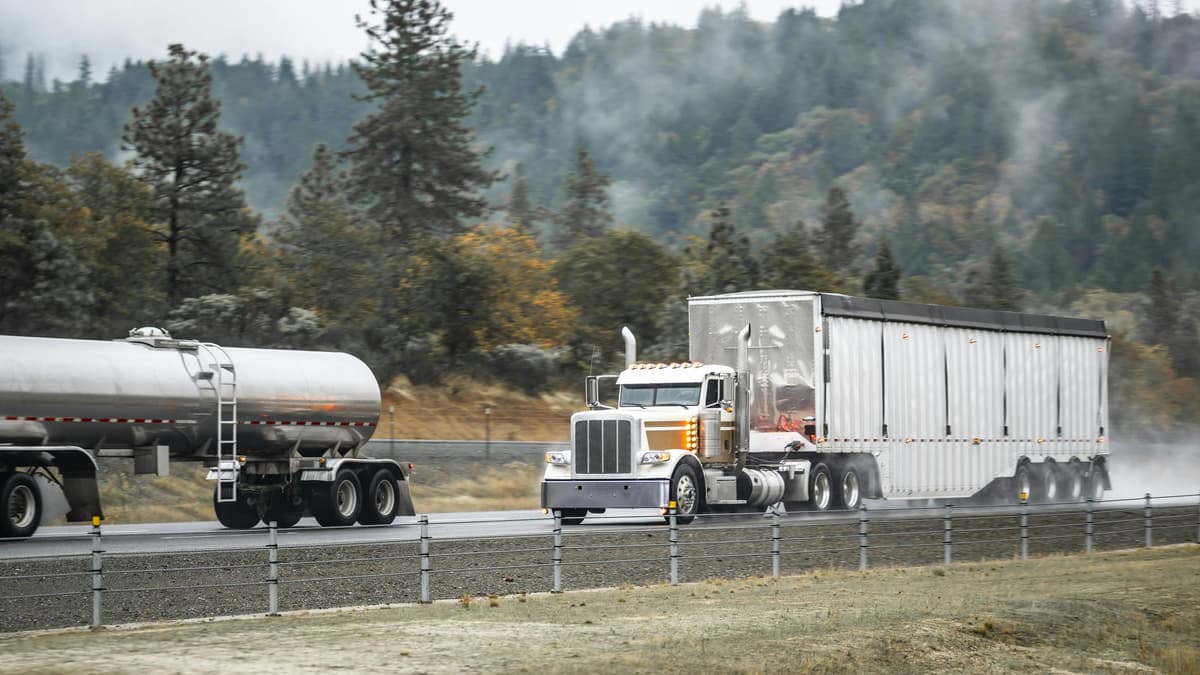
Clark: Minimizing Detention to Maximize Fleet Performance
Why It Matters
Unaddressed detention squeezes carrier profitability, strains driver retention, and hampers supply‑chain reliability, making it a strategic priority for logistics firms.
Key Takeaways
- •39.3% of drivers face detention, costing carriers millions
- •94% of fleets bill detention, but under 50% of claims paid
- •Telematics identifies bottlenecks, enabling proactive rerouting and shipper negotiations
- •Detention pay improves driver morale and retention amid HOS constraints
- •Industry pushes for standardized detention policies and mandatory compensation
Pulse Analysis
Detention’s hidden cost extends beyond idle minutes; it directly chips away at revenue per mile and inflates operational overhead. The ATRI’s finding that nearly two‑thirds of billed detention goes unpaid highlights a systemic gap between contractual language and cash flow. For carriers, each unremunerated hour translates into lost freight capacity, tighter driver hours‑of‑service, and heightened fatigue risk—factors that collectively erode driver retention and elevate turnover expenses. Understanding these dynamics is essential for any logistics executive seeking to protect margins in a tight freight market.
Advanced telematics and integrated fleet‑management platforms are reshaping how carriers combat detention. Real‑time GPS, dock‑door sensors, and mobile reporting give dispatch teams granular visibility into delay hotspots, allowing them to reroute trucks, avoid chronic bottlenecks, and negotiate performance‑based contracts with shippers. Complementary tools such as automated appointment scheduling and digital freight marketplaces further streamline load matching, reducing the likelihood of unscheduled stops. By converting detention from a reactive pain point into a measurable KPI, firms can align incentives, accelerate turnaround times, and ultimately improve asset utilization.
The broader industry is moving toward policy uniformity to close the reimbursement gap. Trade associations and regulators are advocating for standardized detention clauses, mandatory pay thresholds, and clearer reporting requirements. Such harmonization not only simplifies contract negotiations but also fosters a partnership mindset between carriers and shippers, encouraging joint investments in dock efficiency and workforce training. As these standards gain traction, carriers that have already embedded data‑driven detention management will enjoy a competitive edge, delivering faster service while safeguarding driver satisfaction and profitability.
Clark: Minimizing detention to maximize fleet performance
Comments
Want to join the conversation?
Loading comments...