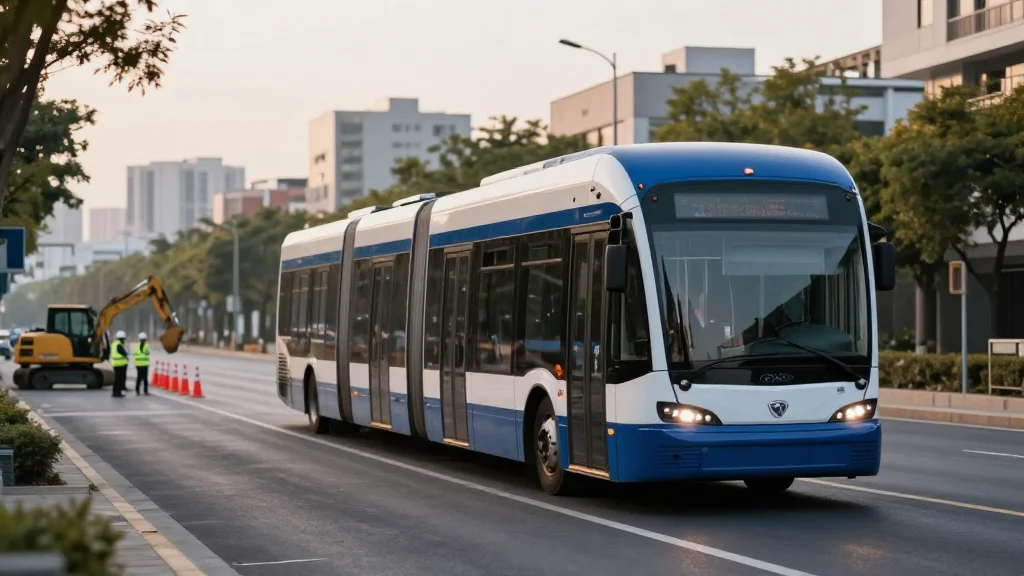
CO: Denver’s Colfax Rapid Bus Line Project Crosses Into Aurora for First Time, Kicking Off 18 Months of Road Work
Why It Matters
The project promises faster, more reliable transit across a key metro corridor, but its mixed‑traffic design and prolonged construction could strain small businesses that anchor the Colfax community, influencing economic vitality and future transit planning decisions.
Key Takeaways
- •$280 M East Colfax BRT project begins Aurora phase, 18‑month timeline
- •Aurora segment uses mixed‑traffic design, no dedicated bus lanes
- •Travel times expected to drop 15‑30 minutes for 16‑17k daily riders
- •Local businesses report 20% revenue loss; some received $15k aid
- •Project cost $26 M, $14 M funded by Aurora city
Pulse Analysis
Denver’s East Colfax BRT initiative, a $280 million investment, is a cornerstone of the region’s effort to modernize public transit. By introducing dedicated median lanes in Denver and mixed‑traffic operation in Aurora, the project reflects a flexible approach to BRT design that balances speed gains with existing street grid constraints. The anticipated 15‑30‑minute reduction in travel time could attract new riders, boost regional connectivity, and support Denver’s broader goal of reducing car dependency on one of its busiest corridors.
For businesses along the corridor, the construction timeline presents a double‑edged sword. Owners like Cerebral Brewing’s Sean Buchan have already seen a 20% dip in sales during Denver’s phase, prompting reliance on a $15,000 grant to cover payroll. Aurora’s mixed‑traffic plan may lessen the physical footprint of construction, yet the prolonged 18‑month period still threatens foot traffic and parking availability. The city’s commitment to maintaining access and providing temporary pedestrian detours aims to mitigate losses, but the cumulative impact on small retailers and eateries remains a critical concern for local economies.
Looking ahead, the Colfax BRT serves as a test case for how metro Denver can integrate varied BRT models within a single corridor. Success in Aurora could pave the way for future upgrades, such as converting side lanes into dedicated bus lanes—a relatively low‑cost modification that advocates like Jill Locantore argue would enhance speed and reliability. Moreover, the project’s alignment with Aurora’s downtown development authority and tax‑increment financing strategy signals a broader push to revitalize the corridor, blending transit improvements with economic development to create a more vibrant, accessible urban environment.
CO: Denver’s Colfax rapid bus line project crosses into Aurora for first time, kicking off 18 months of road work
Comments
Want to join the conversation?
Loading comments...