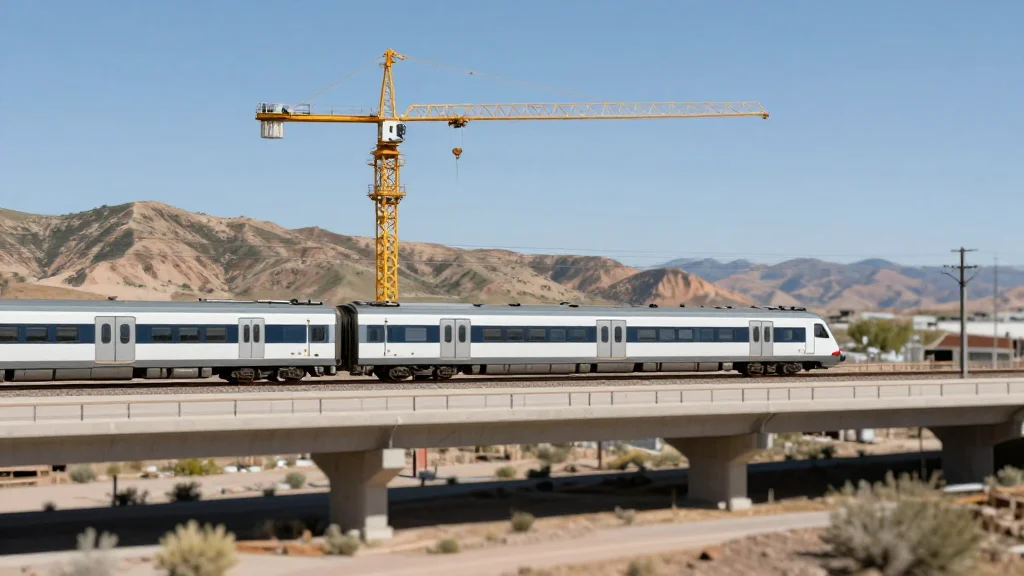
CO: Letters: What Are the Front Range Passenger Rail Numbers?
Why It Matters
The debate spotlights how Colorado’s multimillion‑dollar transit investments could strain taxpayers if projected benefits are overstated, influencing future transportation policy and funding allocations.
Key Takeaways
- •FRPR projected cost rivals $4 billion highway and transit spend
- •Estimated construction timeline exceeds five years before service begins
- •Expected ridership share remains under 2 % of regional trips
- •Emerging autonomous ride‑sharing could cut future commuter demand
- •Lack of last‑mile solutions raises questions on station accessibility
Pulse Analysis
Colorado’s Front Range Passenger Rail has become a flashpoint in the state’s broader mobility strategy. Proponents tout the line as a catalyst for sustainable growth across the corridor from Denver to Pueblo, yet the project’s price tag—roughly $4 billion when combined with parallel highway upgrades—places it among the most expensive infrastructure endeavors in the region. Planners must reconcile this outlay with the corridor’s historically car‑centric travel patterns, where highways capture nearly all trips and existing transit accounts for a modest 2 % share. The financial stakes are high, and without transparent ridership forecasts, the rail risks becoming a costly underutilized asset.
Simultaneously, the transportation landscape is evolving rapidly. Autonomous vehicle pilots, on‑demand ride‑sharing platforms like Zoox, and the newly opened I‑25 toll lanes are reshaping commuter expectations. These flexible options promise door‑to‑door service without the fixed‑infrastructure costs that rail entails. As technology lowers the barrier to entry for such services, projected demand for a point‑to‑point rail line could erode, especially if last‑mile connectivity remains weak. Stakeholders must therefore assess whether the rail’s long‑term utility justifies its upfront capital compared to more adaptable mobility solutions.
For policymakers, the crux lies in data‑driven decision‑making. Detailed cost‑benefit analyses, incorporating future autonomous mobility trends and realistic ridership models, are essential to avoid repeating past missteps where highway expansions delivered disproportionate benefits. Transparent communication with taxpayers and regional partners will be key to securing support for any large‑scale project. Ultimately, the FRPR debate underscores the need for a forward‑looking, multimodal framework that balances ambitious infrastructure goals with fiscal responsibility and emerging transportation technologies.
CO: Letters: What are the Front Range Passenger Rail numbers?
Comments
Want to join the conversation?
Loading comments...