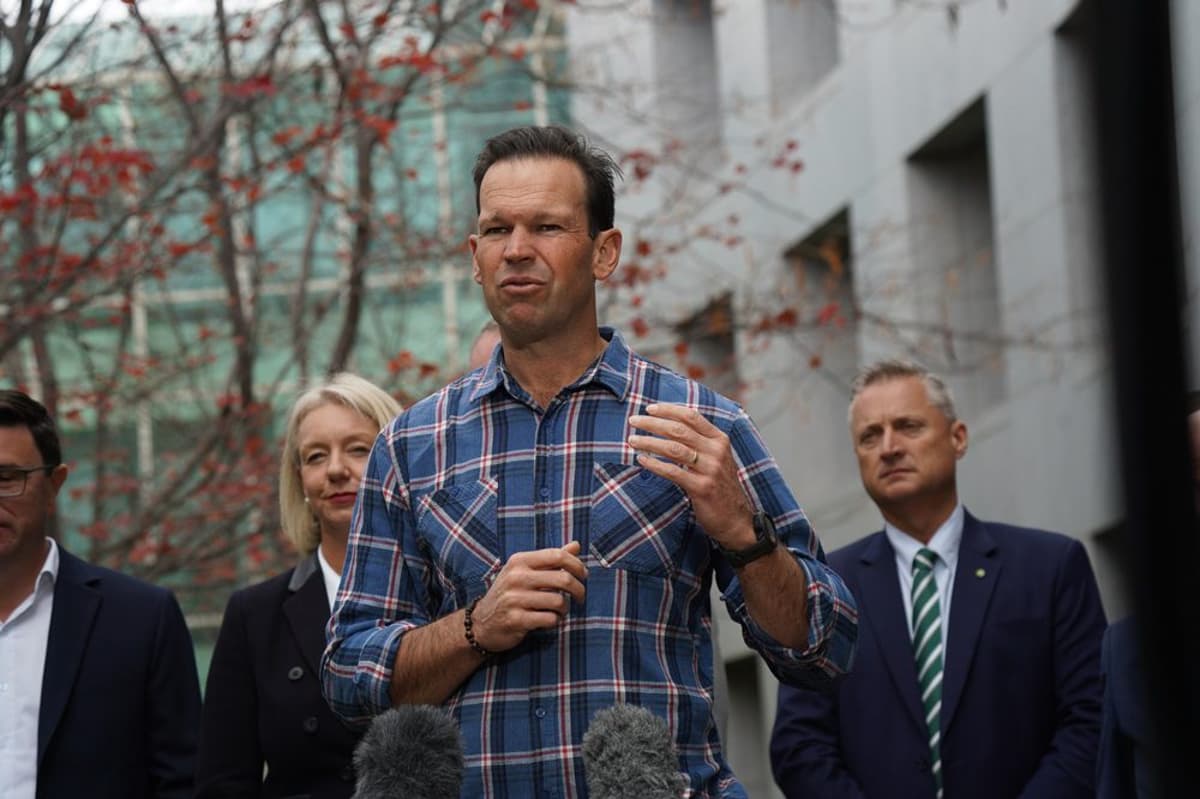
Coalition Launches ‘Rescue Our Rail’ Petition for Inland Rail
Why It Matters
Reinstating Inland Rail would boost regional supply chains, reduce road congestion and support Australia’s climate targets, while the petition highlights a broader debate over infrastructure priorities.
Key Takeaways
- •Inland Rail spans 1,600 km from Melbourne to Brisbane
- •Project would remove 200,000 trucks from roads annually
- •Expected to cut freight emissions by 750,000 tonnes by 2050
- •Labor shifted AU$3.8 bn to Melbourne Suburban Rail Loop
- •Coalition petition urges reversal to protect regional investments
Pulse Analysis
Inland Rail has been billed as a nation‑changing freight corridor, threading together key agricultural and manufacturing hubs across Victoria, New South Wales and Queensland. The line, originally conceived under previous governments, promises to shift bulk cargo from congested highways to rail, delivering faster, more reliable service for exporters and reducing wear on road infrastructure. Beyond logistics, the project aligns with Australia’s net‑zero ambitions by targeting a substantial reduction in carbon‑intensive truck movements, a benefit that resonates with both industry stakeholders and environmental advocates.
The political calculus shifted dramatically when the Albanese administration announced the cancellation of Inland Rail, opting instead to allocate AU$3.8 billion (about US$2.5 billion) toward the Melbourne Suburban Rail Loop—a $200 billion (≈US$132 billion) unfunded megaproject aimed at easing urban commuter pressure. Critics argue that this reallocation diverts crucial funding from regional development, undermining years of private investment in warehouses, plant equipment, and workforce relocation tied to the rail corridor. The decision also raises questions about fiscal discipline, as the Suburban Loop’s cost overruns could exacerbate the federal deficit while leaving regional freight bottlenecks unaddressed.
The Coalition’s "Rescue our Rail" petition reflects a growing backlash from regional communities that view the cancellation as a betrayal of long‑term productivity goals. By mobilizing families, businesses, and local leaders, the petition seeks to pressure the government into reinstating the project, emphasizing the economic ripple effects of lost jobs and stalled supply‑chain upgrades. In a broader context, the debate underscores the tension between urban‑centric infrastructure spending and the need for a balanced national network that supports both city commuters and the hinterland that fuels Australia’s export engine. The outcome will likely shape future infrastructure policy, influencing how Australia prioritizes projects that deliver both economic growth and environmental resilience.
Coalition launches ‘rescue our rail’ petition for Inland Rail
Comments
Want to join the conversation?
Loading comments...