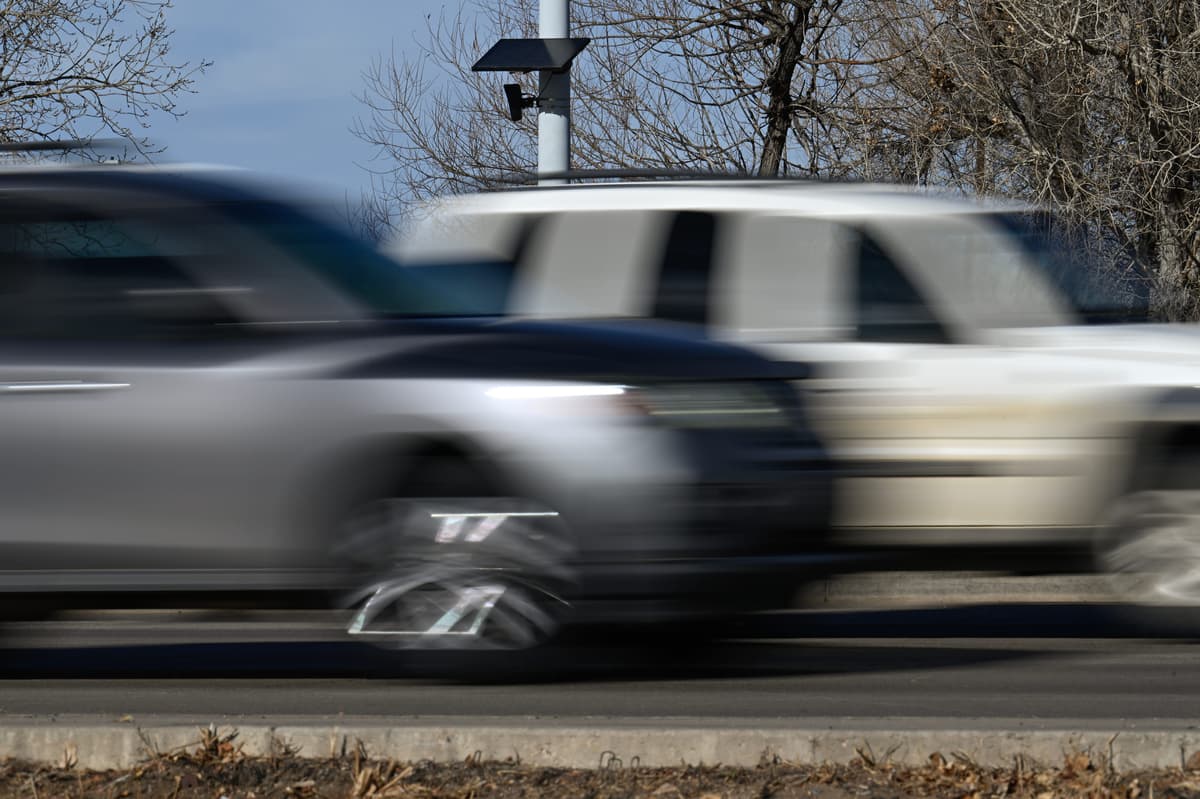
Colorado's New Speed Cameras Can't Be Outsmarted by Waze
Why It Matters
The system dramatically improves safety in high‑risk construction zones while generating revenue that funds further enforcement, signaling a shift toward data‑driven traffic management. Its ability to bypass driver‑alert apps like Waze underscores the growing limits of traditional speed‑avoidance tactics.
Key Takeaways
- •Average‑speed cameras replace instant radar readings on I‑25.
- •Excessive speed dropped 90% after 30‑day warning.
- •$75 civil penalty mailed; no license points added.
- •Drivers without plates can evade fines, raising enforcement concerns.
- •Revenue funds program, not state budget.
Pulse Analysis
Automated speed enforcement is gaining traction across the United States as agencies seek scalable, low‑risk solutions for high‑danger corridors. Colorado’s latest deployment on I‑25 employs a pair of license‑plate readers spaced several miles apart, measuring the time a vehicle takes to travel between them. This average‑speed methodology eliminates the need for police officers to patrol narrow construction zones, reduces exposure to traffic incidents, and provides a clear, auditable record of violations. By marking the cameras and posting advance warnings, the state also satisfies legal requirements for driver notice while leveraging technology that is difficult for typical radar detectors to circumvent.
The safety implications are immediate. Construction zones, where lane widths shrink and shoulders disappear, have historically been hotspots for severe accidents. Since the program’s soft launch, CDOT reported a 90 percent decline in speeds exceeding the limit, translating into fewer near‑misses and potential collisions. The $75 civil penalty, though modest, serves as a deterrent without inflating insurance points, and the bulk of collected fees are earmarked for expanding the Speed Enforcement Program. Meanwhile, navigation apps like Waze, which rely on crowdsourced alerts for static radar locations, lose relevance when enforcement hinges on average speed over a distance, prompting drivers to reconsider reliance on such tools.
However, the initiative raises policy and equity questions. Vehicles without license plates—whether due to registration lapses or deliberate avoidance—can slip through the system, undermining its universality and potentially encouraging non‑compliance. Privacy advocates also note the broader trend of pervasive license‑plate readers, urging transparent data‑use policies. As other states watch Colorado’s results, we can expect similar average‑speed camera networks to emerge, especially in corridors with frequent work zones or high crash rates. The balance between safety gains, revenue generation, and civil liberties will shape the next wave of traffic‑management legislation nationwide.
Colorado's New Speed Cameras Can't Be Outsmarted by Waze
Comments
Want to join the conversation?
Loading comments...