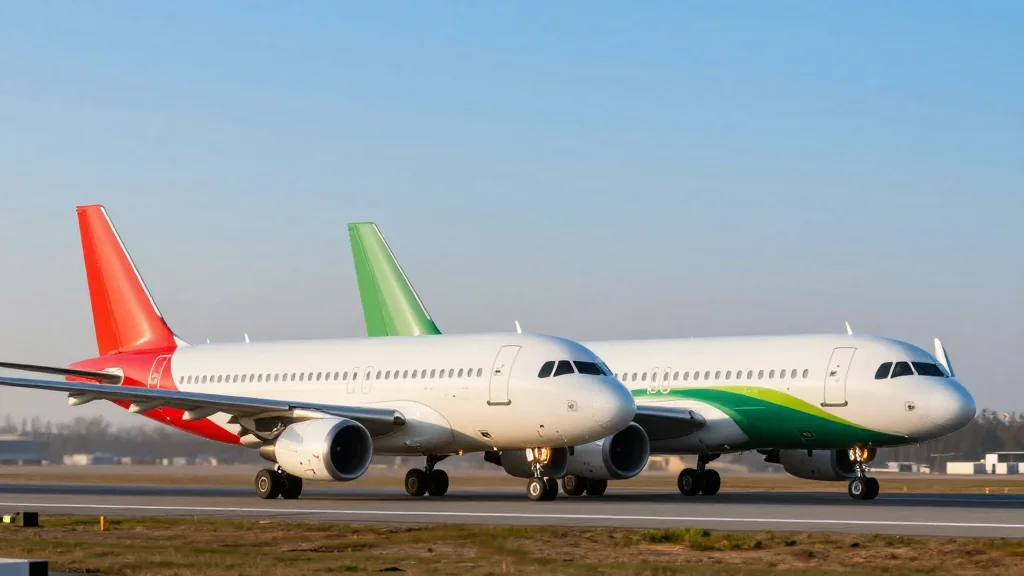
Competition Watchdog Seeks Feedback on Proposed Commercial Tie-Up Between SIA and Vietnam Airlines
Companies Mentioned
Why It Matters
The outcome will shape competitive dynamics on key Southeast Asian routes and could set precedent for airline collaborations in tightly regulated markets. Regulators’ decision will affect fare structures, connectivity, and loyalty‑program value for travelers.
Key Takeaways
- •CCS opens public comment period on SIA-Vietnam Airlines JV.
- •Joint venture covers scheduling, pricing, sales, marketing, excludes low‑cost arms.
- •Airlines claim competition remains robust from other low‑cost carriers.
- •Potential benefits: lower fares, better connectivity, frequent‑flyer perks.
- •CCS will assess compliance with Singapore Competition Act Section 34.
Pulse Analysis
The airline industry has long relied on strategic alliances to extend network reach without the capital expense of new routes. While global carriers often join forces through global alliances such as Star Alliance or SkyTeam, regional joint ventures are subject to tighter antitrust scrutiny because they can directly influence pricing and capacity on overlapping markets. Singapore’s Competition and Consumer Commission (CCS) plays a pivotal role in safeguarding competition, especially under Section 34 of the Competition Act, which prohibits agreements that distort market dynamics. Recent cases in Europe and Asia illustrate how regulators balance efficiency gains against the risk of higher fares and reduced consumer choice.
The proposed SIA‑Vietnam Airlines venture focuses on five high‑traffic Singapore‑Vietnam corridors, coordinating schedules, ticket pricing, and joint marketing while deliberately excluding Scoot and Pacific Airlines, the carriers’ low‑cost subsidiaries. Both airlines contend that fierce competition from other budget airlines and low entry barriers will keep fares competitive. If approved, the partnership could streamline operations, reduce duplicate capacity, and enable more seamless connections for business and leisure travelers. However, critics warn that coordinated pricing could erode price competition, potentially leading to higher fares on premium services where the two legacy carriers dominate.
CCS’s decision will send a clear signal to the region’s aviation sector about the permissible scope of commercial cooperation. A green light may encourage similar joint ventures, fostering network efficiency and stronger frequent‑flyer benefits, while a rejection could reinforce a more fragmented market where low‑cost carriers thrive. For consumers, the stakes revolve around fare levels, flight frequency, and the value of loyalty‑program integration beyond existing alliance frameworks. Stakeholders, including travel agencies and corporate travel managers, should monitor the feedback window closing on April 22, as the outcome could reshape route planning and pricing strategies across Southeast Asia.
Competition watchdog seeks feedback on proposed commercial tie-up between SIA and Vietnam Airlines
Comments
Want to join the conversation?
Loading comments...