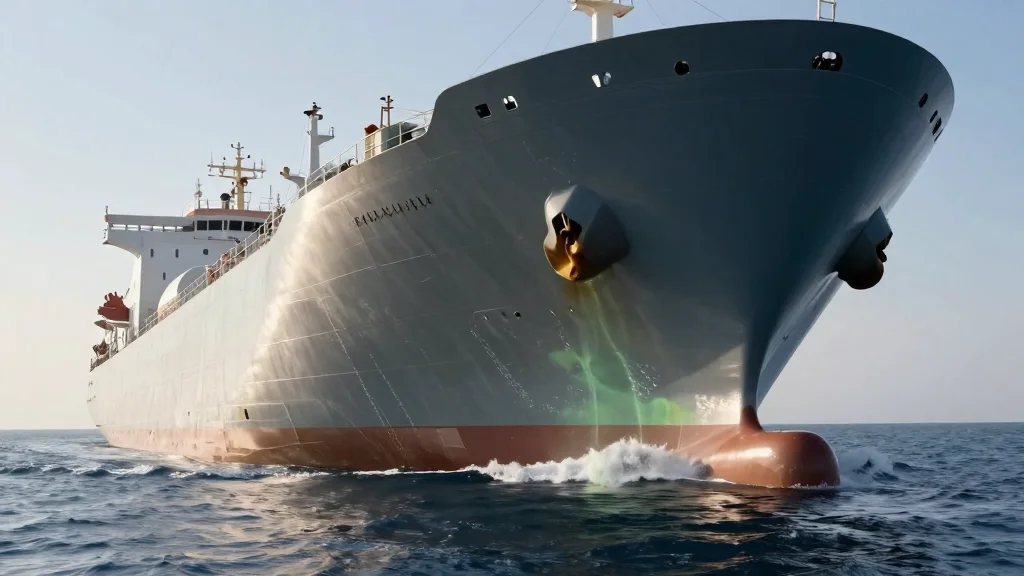
Compliance Costs Mounting for Steam and Diesel-Electric LNG Carriers, WoodMac Warns
Why It Matters
Higher compliance costs will push charterers toward more efficient engine types, accelerating fleet renewal and affecting LNG trade economics.
Key Takeaways
- •DFDE and steam LNG carriers face rising carbon compliance costs.
- •Charterers likely to avoid DFDE/steam vessels by decade’s end.
- •Two‑stroke gas‑injection engines offer lowest methane slip.
- •Europe routes benefit most from low‑cost compliance engines.
- •Fleet ordering may shift toward dual‑fuel gas‑injection designs.
Pulse Analysis
The global push to curb greenhouse gases has placed LNG carriers under a new financial microscope. Since the International Maritime Organization’s 2023 carbon intensity targets, ship owners must account for both CO₂ taxes and methane‑slip penalties on voyages to Europe and beyond. These regulatory layers translate into tangible compliance costs that vary dramatically by propulsion system. As a result, the economics of operating a vessel now hinge as much on its emissions profile as on its freight rates, reshaping charter negotiations across the market.
Wood Mackenzie’s latest analysis highlights a stark divergence between dual‑fuel diesel‑electric (DFDE) and steam turbine ships versus two‑stroke gas‑injection engines. DFDE and steam platforms, while historically favored for flexibility, incur higher carbon charges and exhibit larger methane emissions, driving up per‑day operating expenses. In contrast, the two‑stroke gas‑injection design delivers the lowest methane slip and therefore the smallest compliance bill on Europe‑bound routes. Charterers, increasingly sensitive to cost‑plus‑environmental risk, are expected to prioritize vessels that can demonstrate the most economical emissions footprint.
The cost gap is already influencing fleet renewal strategies. Shipyards are receiving more orders for gas‑injection‑powered hulls, and financiers are tightening loan terms for high‑compliance‑cost vessels. Over the next decade, the market share of DFDE and steam carriers could shrink as charter contracts gravitate toward greener alternatives, potentially depressing charter rates for older ships. Stakeholders that adapt—by retrofitting engines, securing low‑emission certifications, or shifting to newer builds—stand to preserve profitability while supporting the industry’s broader decarbonisation agenda.
Compliance costs mounting for steam and diesel-electric LNG carriers, WoodMac warns
Comments
Want to join the conversation?
Loading comments...