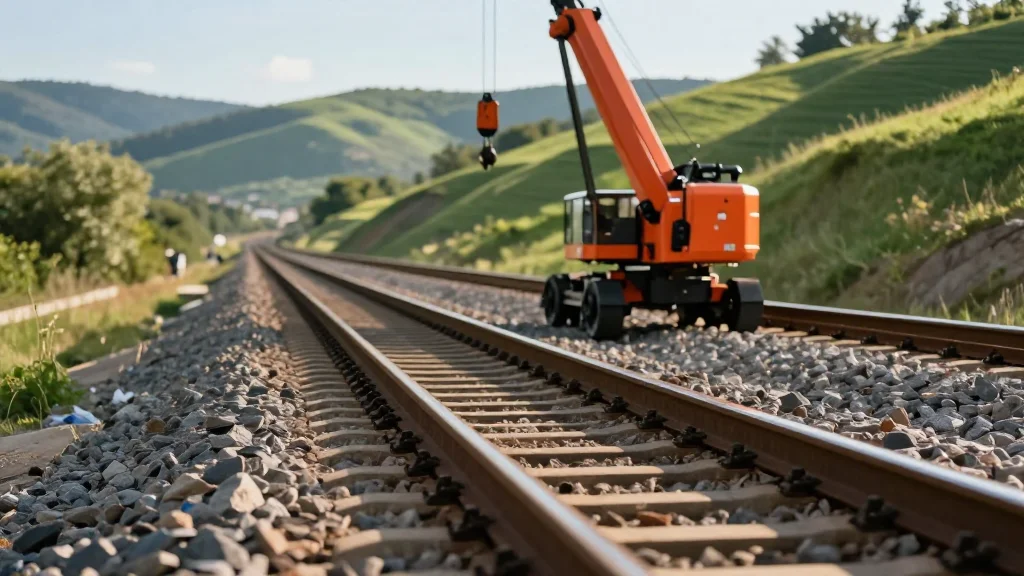
Comsa Signs Croatian Upgrade Contract
Why It Matters
The investment dramatically expands capacity and safety on a key corridor, aligning Croatia’s rail network with EU interoperability standards and supporting regional economic growth.
Key Takeaways
- •Contract worth €278.8 m ($307 m) to upgrade 44 km line
- •Second electrified track raises speed to 160 km/h
- •EU Cohesion Programme co‑finances, boosting modernization
- •Completion slated for 2029, enhancing capacity and safety
Pulse Analysis
The Comsa‑HŽ Infrastructure deal marks one of the largest single‑project injections into Croatia’s rail system, reflecting a strategic shift toward modern, high‑speed corridors. By leveraging EU Cohesion Programme funds, the €278.8 million contract reduces fiscal pressure on the national budget while ensuring compliance with European technical standards. The addition of a parallel electrified track not only doubles line capacity but also enables faster, more reliable services that can attract freight operators and commuters alike.
Beyond the immediate engineering feats, the upgrade serves as a catalyst for broader economic development along the Zagreb‑Rijeka axis. Faster travel times and improved reliability lower logistics costs for manufacturers, boost tourism in the Karlovac region, and integrate Croatia more tightly into the Trans‑European Transport Network. The project’s timeline—construction starting this summer and finishing by 2029—aligns with the country’s ten‑year rail investment plan, which targets nearly €6 billion ($6.6 billion) in upgrades, signaling a sustained commitment to rail as a growth engine.
From a competitive standpoint, the modernization positions Croatia to capture a larger share of freight traffic shifting from road to rail, a trend driven by EU emissions targets and rising fuel prices. The enhanced line will meet the 160 km/h speed benchmark, facilitating seamless cross‑border services with neighboring Slovenia and Hungary. As the railway sector globally embraces digital signalling and electrification, Croatia’s alignment with these standards not only improves safety but also makes future integration of advanced technologies—such as predictive maintenance and autonomous train operation—more feasible.
Comsa signs Croatian upgrade contract
Comments
Want to join the conversation?
Loading comments...