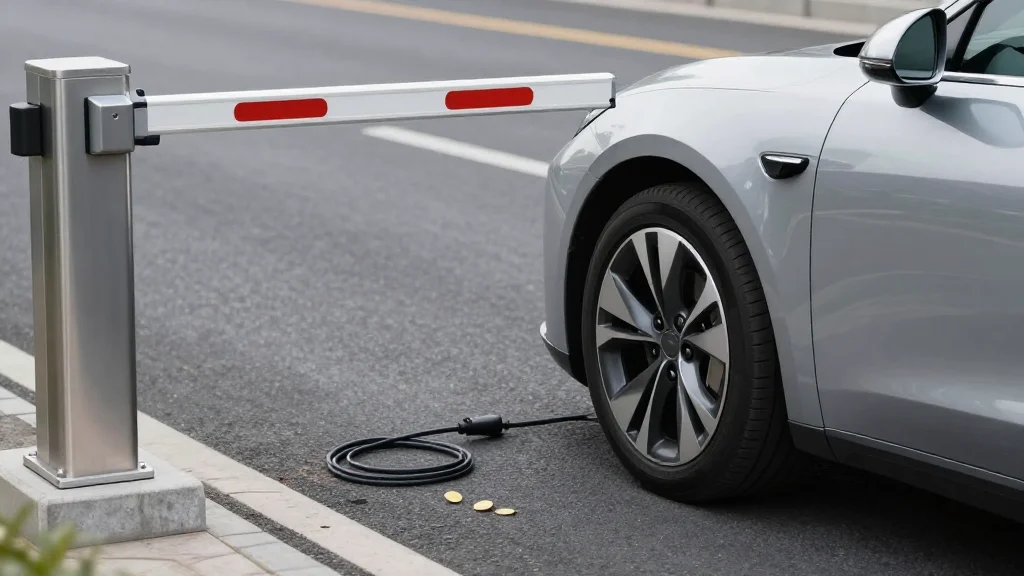
Congress Wants You To Pay $130 A Year Just To Drive An Electric Car
Companies Mentioned
Why It Matters
The proposed fee adds a recurring cost that could dampen EV demand, directly affecting the industry’s growth trajectory while attempting to shore up a critical federal infrastructure fund.
Key Takeaways
- •$130 EV fee begins 2029, increasing to $150.
- •Plug‑in hybrids face $35 fee, rising to $50.
- •Federal gas tax unchanged since 1993, funding gap persists.
- •Critics say flat fee ignores actual vehicle mileage.
- •State EV registration fees already exceed $250 in some states.
Pulse Analysis
The Highway Trust Fund, financed primarily by the 18.3‑cent‑per‑gallon federal gas tax, has been under pressure for years as vehicle fuel efficiency improves and the tax rate remains static since 1993. With gasoline prices hovering above $4.50 per gallon, drivers of internal‑combustion vehicles continue to subsidize road maintenance, while electric‑vehicle owners contribute nothing under the current system. Lawmakers argue that a dedicated EV fee would restore equity and provide a predictable revenue stream to keep America’s highways in repair, especially as the fund faces a multi‑billion‑dollar deficit.
The BUILD America 250 Act, championed by Transportation Committee Chairman Sam Graves, proposes a $130 annual charge on EV owners, escalating to $150 by the early 2030s, and a smaller $35 fee for plug‑in hybrids. The bill enjoys bipartisan sponsorship, reflecting broad concern over the fund’s solvency, yet it has drawn sharp criticism from the Sierra Club, Zero Emission Transportation Association, and consumer‑advocacy groups. Opponents contend that a flat fee disregards actual road usage, penalizes early adopters, and could slow the transition to cleaner transportation at a time when climate goals demand accelerated EV uptake.
If enacted, the fee would place electric‑vehicle owners in a cost position comparable to the $70‑$90 average annual gas tax paid by gasoline drivers, but without tying payment to mileage. States already impose registration surcharges ranging from $113 to $270, suggesting that a federal fee would align national policy with existing regional practices. However, industry analysts warn that added ownership costs may dampen consumer enthusiasm, particularly among price‑sensitive buyers, and could influence automakers’ pricing strategies. Balancing infrastructure funding with incentives for clean mobility will be a defining challenge for policymakers as the EV market expands.
Congress Wants You To Pay $130 A Year Just To Drive An Electric Car
Comments
Want to join the conversation?
Loading comments...