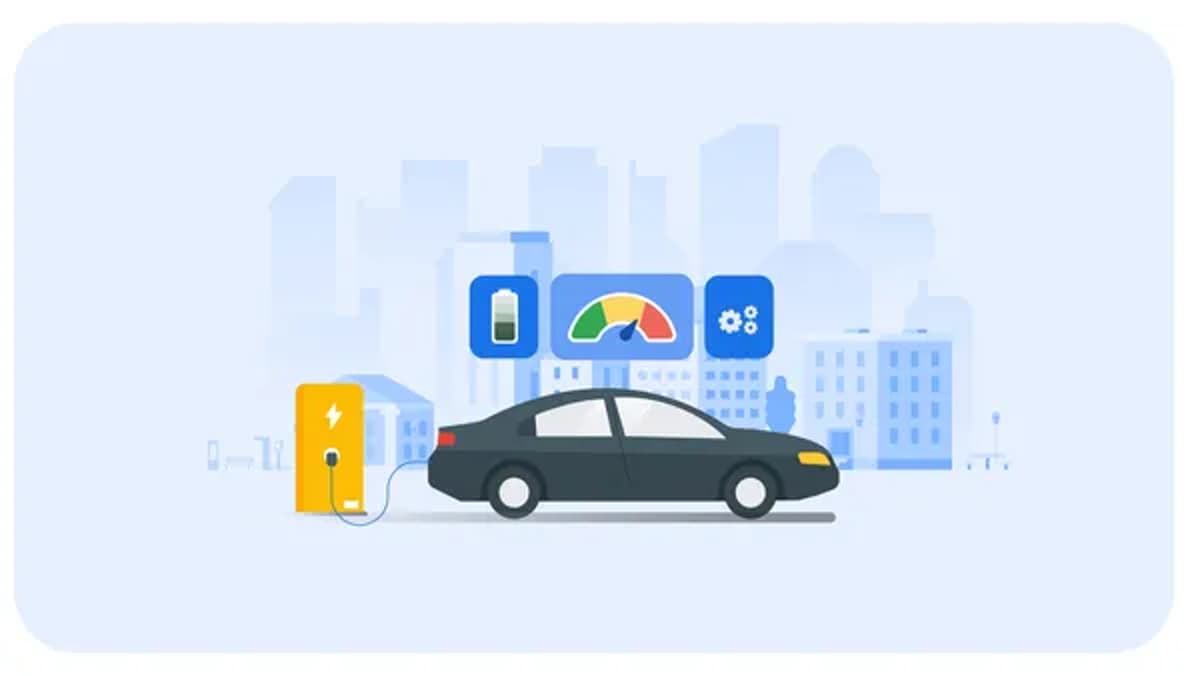
Connecting Your Car Beyond the Dashboard
Why It Matters
By standardizing the software layer for non‑safety systems, AAOS SDV reduces fragmentation and speeds innovation across the automotive ecosystem, reshaping how manufacturers deliver digital services to drivers.
Key Takeaways
- •Google open-sources AAOS SDV platform for non‑safety vehicle functions
- •Open infrastructure aims to cut development costs and time‑to‑market
- •Renault and Qualcomm among early partners testing the platform
- •Expected open‑source release slated for later 2026
- •Cohesive in‑car experiences enable faster OTA feature delivery
Pulse Analysis
The automotive industry is rapidly evolving from hardware‑centric engineering to software‑defined vehicles, where the car’s brain rivals a modern smartphone. This shift has produced a patchwork of proprietary stacks, forcing OEMs to allocate significant resources to integration rather than differentiation. An open, shared platform can dissolve these silos, allowing manufacturers to focus on unique value propositions such as personalized services, advanced driver assistance, and seamless connectivity with consumer devices.
Google’s Android Automotive OS for Software‑Defined Vehicles (AAOS SDV) builds on the success of its infotainment‑only offering by exposing APIs for non‑safety functions like climate control, power‑train diagnostics, and predictive maintenance. The company plans to release the codebase to the public later this year, inviting a broader developer community to contribute and accelerate feature rollouts. Partnerships with industry leaders such as Renault and Qualcomm provide real‑world validation and demonstrate how the platform can be tailored to diverse vehicle architectures while preserving a consistent developer experience.
For the market, AAOS SDV could become a catalyst for faster over‑the‑air updates, reducing the time it takes new features to reach consumers’ driveways. Automakers that adopt the open framework may lower R&D spend, shorten product cycles, and attract third‑party app ecosystems, intensifying competition with traditional infotainment providers. Ultimately, drivers stand to benefit from more cohesive, secure, and up‑to‑date in‑car experiences that align with the broader digital lifestyle they expect from their devices.
Connecting your car beyond the dashboard
Comments
Want to join the conversation?
Loading comments...