Consumer Reports' 2026 Sports Car List Reawakens An Old Argument

Why It Matters
The classification debate influences how manufacturers market high‑performance models and how consumers set expectations, potentially reshaping segment reporting and future vehicle development.
Key Takeaways
- •Consumer Reports includes electric crossover Ioniq 5 N as a sports car.
- •Traditional definition: two seats, soft top, competition‑ready.
- •Mazda MX‑5 Miata still fits classic sports‑car criteria.
- •Chevrolet Corvette and BMW Z4 exemplify modern mid‑engine sports cars.
- •Debate pushes industry to redefine sports‑car segment for EVs.
Pulse Analysis
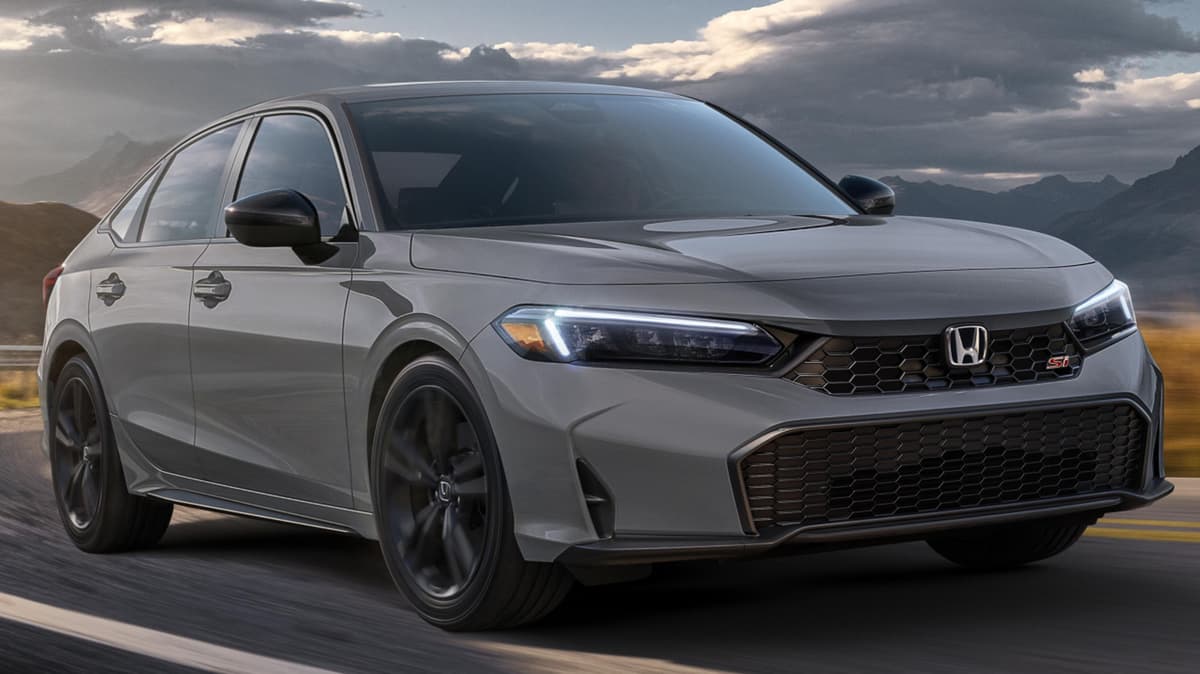
Consumer Reports’ latest sports‑car roundup has reignited a long‑standing conversation about what truly qualifies as a sports car. Historically, the Sports Car Club of America defined the segment by three simple traits: two seats, a soft top, and competition potential. That definition comfortably embraced icons such as the Mazda MX‑5 Miata and the Chevrolet Corvette, which remain benchmarks for driver‑focused performance. However, the inclusion of the Hyundai Ioniq 5 N—a high‑output electric crossover—and the Honda Civic Si, a sporty sedan, forces analysts to reconsider whether the label should be anchored to body style or to driving dynamics alone.
The rise of electrified powertrains and performance‑oriented crossovers blurs traditional segment lines. Automakers now deliver 600‑plus horsepower from battery packs, as seen in the Ioniq 5 N, while retaining everyday practicality. This convergence challenges marketing teams: should they promote such models as sports cars to attract enthusiasts, or risk diluting a historically exclusive badge? Consumers, too, are recalibrating expectations, judging vehicles more on acceleration, handling, and technology than on classic two‑seat configurations. The debate reflects a broader shift where performance is decoupled from form, prompting industry publications and rating agencies to update their criteria.
For manufacturers, the stakes are high. Segment classification affects everything from insurance rates to resale values and influences how new models are positioned in showrooms. A revised definition that embraces electrified performance could expand the sports‑car market, encouraging legacy brands to innovate while giving newcomers a clearer pathway to claim the title. Conversely, preserving a narrow definition protects the heritage of purist models but may marginalize cutting‑edge offerings. As the automotive landscape continues to evolve, stakeholders—from clubs to analysts—will likely collaborate on a modernized taxonomy that balances tradition with technological progress.
Consumer Reports' 2026 Sports Car List Reawakens An Old Argument
Comments
Want to join the conversation?
Loading comments...