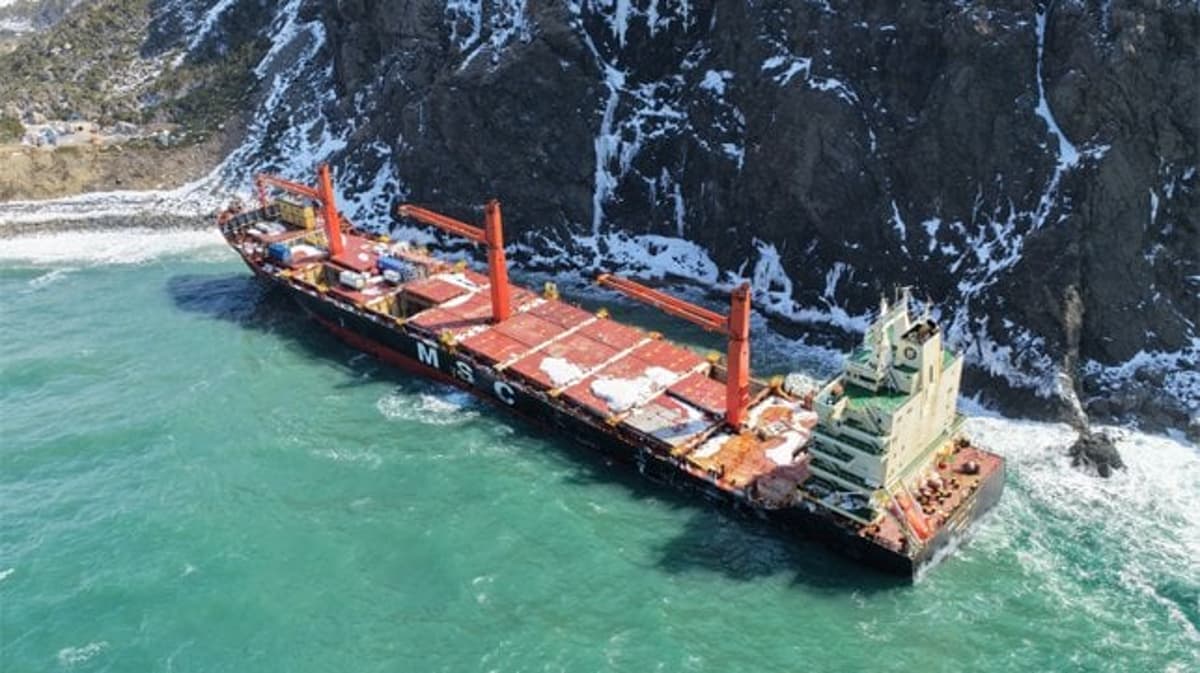
Contract Awarded for the Removal of the MSC Baltic III Wreck
Why It Matters
The removal is critical to prevent further pollution of sensitive coastal waters and to restore a key fishing area for First Nations communities, while showcasing the capabilities of specialized marine salvage firms.
Key Takeaways
- •Resolve Marine Group wins MSC Baltic III removal contract.
- •Ship grounded near Lark Harbour after Feb 2025 storm, 33,767 dwt.
- •1,700 metric tons of fuel removed; 63 containers still waterlogged.
- •Environmental risk to First Nations fishing zones drives heightened oversight.
Pulse Analysis
The MSC Baltic III incident underscores how extreme weather can quickly turn a routine trans‑Atlantic voyage into a costly environmental crisis. After the vessel slipped its moorings in a February 2025 storm, it grounded in Cedar Cove, a remote stretch of Newfoundland shoreline. Initial salvage efforts in 2025 focused on extracting roughly 1,700 metric tons of fuel and clearing the majority of its 472 containers, but the ship’s hull suffered severe structural damage, with the stern now resting on the ocean floor and multiple breaches exposing the engine room.
MSC’s decision to engage Resolve Marine Group reflects a growing reliance on niche salvage specialists capable of navigating complex, environmentally sensitive sites. Resolve, headquartered in Florida, brings a portfolio of large‑scale wreck removals and a proven track record in offshore de‑construction. The operation faces formidable challenges: a fractured hull, water‑logged cargo, and the need to protect nearby First Nations fishing grounds from oil leaks or debris. Canadian Coast Guard officials are coordinating closely with Resolve, planning a technical briefing to finalize a phased removal strategy that balances speed, safety, and ecological stewardship.
Beyond the immediate cleanup, the Baltic III case highlights broader industry implications. It reinforces the importance of robust emergency response protocols and the financial prudence of investing in pre‑emptive risk assessments for vessels navigating high‑latitude routes. Regulators may tighten requirements for vessel integrity checks and contingency funding, while shipowners could see insurance premiums rise for routes prone to severe storms. Ultimately, the successful removal will serve as a benchmark for future salvage contracts, demonstrating how coordinated public‑private efforts can mitigate maritime disasters while safeguarding coastal economies.
Contract Awarded for the Removal of the MSC Baltic III Wreck
Comments
Want to join the conversation?
Loading comments...