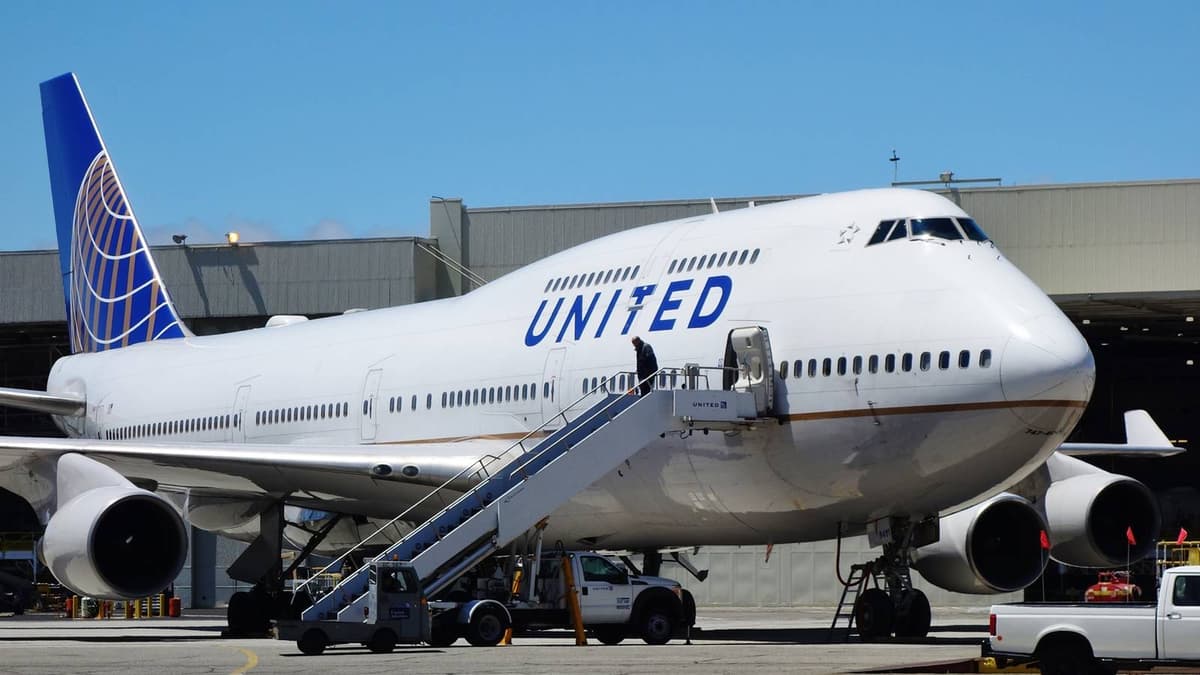
Cool: A Former United Boeing 747 Is Now Literally Wedged Between Two Seattle Skyscrapers
•March 8, 2026
0
Companies Mentioned
Why It Matters
The project showcases innovative adaptive reuse, turning an iconic aircraft into a commercial amenity while reinforcing Seattle’s booming tech‑driven real‑estate market. It also creates a unique landmark that can boost tourism and community identity.
Key Takeaways
- •Boeing 747 split into 39 sections for Seattle installation
- •Aircraft will serve as workspace within WB 1200 apartments
- •Project highlights Seattle’s tech‑driven real‑estate boom
- •Structural engineering mitigates vibration and seismic loads
- •N178UA retired 2017, now public art landmark
Pulse Analysis
Adaptive reuse of large aircraft is an emerging trend that blends heritage preservation with modern urban needs. By repurposing the retired Boeing 747‑400, developers transform a symbol of global aviation into a functional workspace, offering tenants a distinctive environment that differentiates the WB 1200 towers from conventional high‑rise offices. This approach also aligns with sustainability goals, extending the lifecycle of a massive steel structure while reducing demolition waste.
Seattle’s Denny Triangle has evolved into a high‑density, tech‑centric neighborhood, attracting significant capital for mixed‑use projects. The inclusion of a suspended jet adds a cultural touchstone that resonates with the city’s Boeing legacy, reinforcing local identity amid rapid growth. Luxury apartments, rooftop amenities, and a day‑care program cater to affluent professionals, while the aircraft installation serves as a visual anchor that can elevate property values and attract media attention.
Engineering the 747’s suspension required meticulous planning to address vertical loads, wind sway, and the region’s seismic activity. Engineers integrated the jet’s weight into the podium’s structural grid, employing dampers and flexible connections to mitigate vibration from occupant movement and potential earthquakes. This technical feat not only ensures safety but also demonstrates the feasibility of large‑scale, unconventional installations, potentially inspiring similar projects worldwide and expanding Seattle’s reputation as an innovation hub.
Cool: A Former United Boeing 747 Is Now Literally Wedged Between Two Seattle Skyscrapers
0
Comments
Want to join the conversation?
Loading comments...