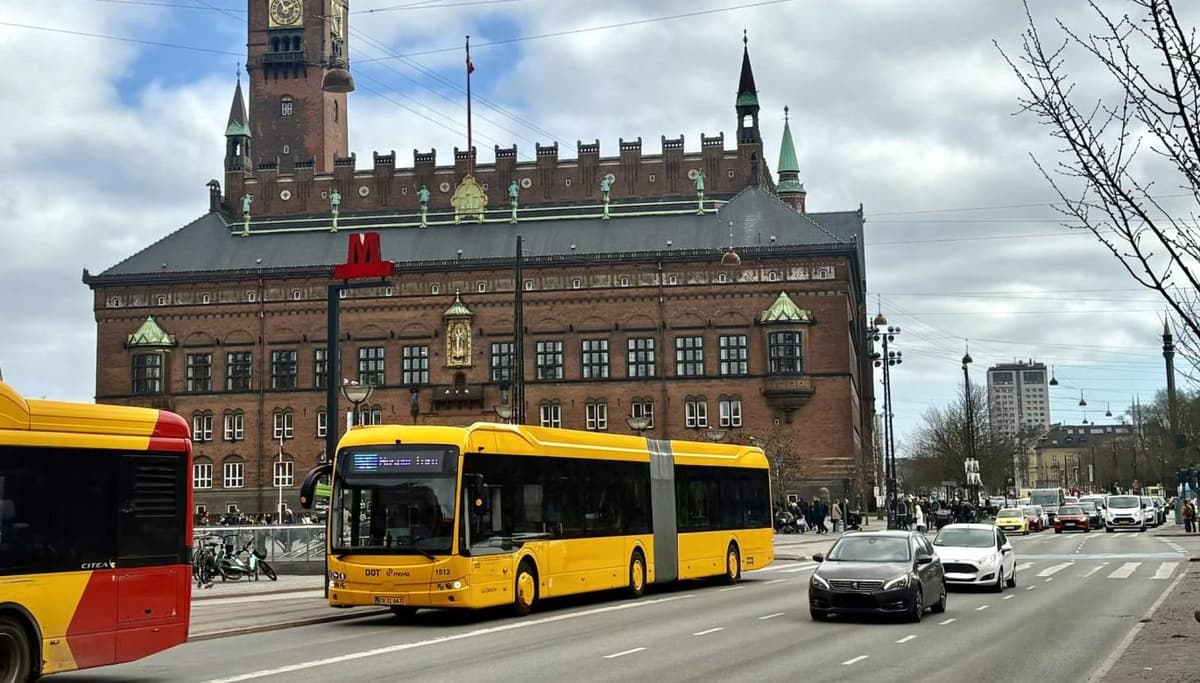
Copenhagen Achieves 100% Electric Bus Network as Movia Deploys 62 New Units
Why It Matters
A fully electric bus network proves that large‑scale climate targets are achievable, delivering measurable emissions cuts and operational savings while providing a replicable model for other European cities.
Key Takeaways
- •62 new electric buses raise Movia fleet to 794 units.
- •Electric buses now cover 72% of Movia’s daily service.
- •All 42 Copenhagen‑funded lines are now zero‑emission.
- •Annual CO2 cut reaches 2,000 tonnes for Movia.
- •Line 5C, Denmark’s busiest route, receives 37 new buses.
Pulse Analysis
Copenhagen’s achievement arrives at a time when cities worldwide are racing to decarbonise public transport. Since 2016, Danish municipalities and regional authorities set a joint ambition to electrify half of their bus fleet by 2030, a goal reached two years early. By deploying an additional 62 battery‑electric buses, Movia not only hit a 72 percent electric share but also delivered Denmark’s first fully electric municipal bus network, a milestone that aligns with the EU Green Deal’s zero‑emission transport objectives.
Operationally, the new vehicles bolster service on three key corridors—5C, 19 and 350S—covering more than 17 million annual passengers on the busiest line alone. The shift eliminates tailpipe CO₂ from all municipal routes, translating into an estimated 2,000 tonnes of emissions avoided each year for Movia and 54,000 tonnes across the wider Zealand region. Beyond environmental gains, electric buses lower fuel and maintenance costs, improve air quality, and provide a quieter ride, enhancing the overall passenger experience and supporting Copenhagen’s reputation as a sustainable mobility leader.
Looking ahead, the Copenhagen model offers a blueprint for other metropolitan areas confronting similar climate pressures. Funding mechanisms that blend municipal budgets with national green‑energy incentives have proven effective, while the early procurement of high‑capacity batteries mitigates range‑anxiety concerns. As the EU tightens emissions standards, cities that replicate this coordinated, policy‑driven approach can accelerate fleet turnover, attract private‑sector investment, and meet increasingly stringent sustainability benchmarks. The Copenhagen success story thus underscores the strategic advantage of decisive, collaborative action in the transition to zero‑emission public transport.
Copenhagen achieves 100% electric bus network as Movia deploys 62 new units
Comments
Want to join the conversation?
Loading comments...