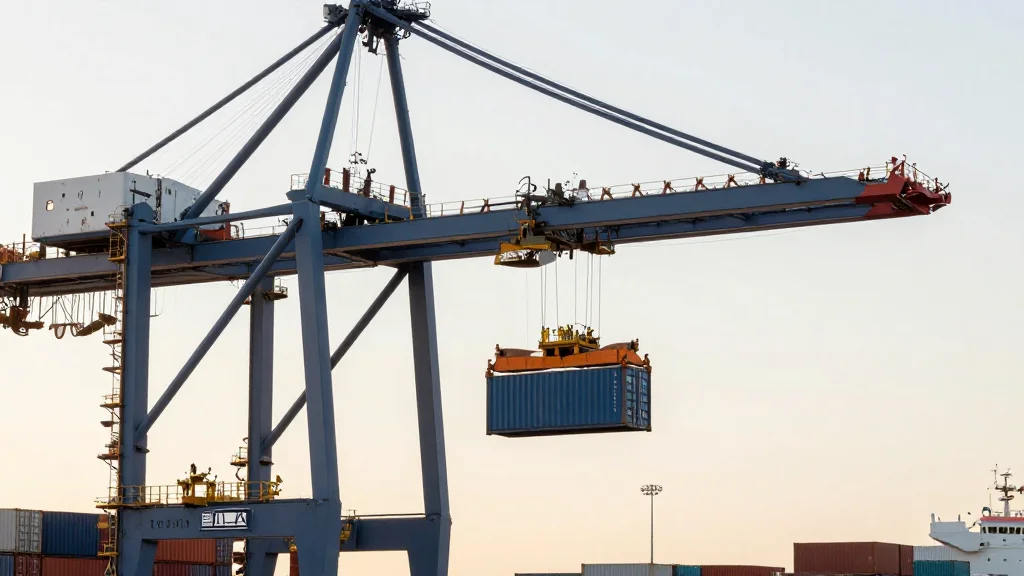
COSCO Shipping Ports Sees 9% Rise in Q1 2026 Container Traffic

Why It Matters
A 9% increase in container traffic signals heightened demand for maritime freight services, which can alleviate bottlenecks in global supply chains and support economic activity. For a major player like COSCO Shipping Ports, such growth may enhance its bargaining power with shipping lines and attract further investment in terminal infrastructure. The metric also serves as a barometer for trade recovery in the post‑pandemic era. If the rise reflects broader market momentum, it could indicate that manufacturers and retailers are restocking inventories, potentially boosting related sectors such as logistics, trucking, and warehousing.
Key Takeaways
- •COSCO Shipping Ports' container traffic grew 9.0% in Q1 2026.
- •The increase covers the first three months of the year, ending March 31.
- •No detailed breakdown or executive commentary was provided.
- •Container throughput is a primary indicator of port activity and supply‑chain health.
- •Future reports are expected to clarify the drivers behind the growth.
Pulse Analysis
The 9% quarterly lift reported by COSCO Shipping Ports, while modest in absolute terms, is noteworthy given the competitive pressures facing major terminal operators. Over the past few years, many ports have grappled with capacity constraints, labor shortages, and fluctuating demand. A single‑digit rise suggests that COSCO may be successfully leveraging its extensive network to capture incremental cargo volumes, perhaps by optimizing slot allocations or expanding service offerings.
Historically, COSCO has pursued aggressive expansion, acquiring stakes in terminals across Europe, the Americas, and Asia. The latest figure could reflect the maturation of those investments, as new facilities come online and existing assets operate at higher efficiency levels. However, without granular data, it is difficult to isolate the impact of specific projects or market segments.
Looking forward, the sustainability of this growth will hinge on several factors: the resilience of global trade volumes, the ability of COSCO to integrate digital tools for better yard management, and the competitive response from rival operators such as DP World and PSA International. If the upward trajectory continues, COSCO may strengthen its position in key trade corridors, potentially influencing freight rates and the allocation of shipping capacity across the Asia‑Europe and Asia‑America routes.
COSCO Shipping Ports sees 9% rise in Q1 2026 container traffic
Comments
Want to join the conversation?
Loading comments...